Park Heon-seok reports on South Korea's defense, aerospace and space technology for Seoulz, covering procurement, exports and the companies behind K-defense.
The Future Innovation Research Center shared findings at an aerospace conference, covering gesture control, interceptor drones, foldable wings and radar deception.
The National Security Office plans faster vulnerability sharing and wider adoption of software bills of materials across civilian, public and defense networks.
Hanwha Aerospace, Hanwha Ocean and Hanwha Systems have invested or decided to invest a combined 1.51 trillion won in U.S. entities this year, expanding production and shipbuilding presence.
The review concerns the small-UAV countermeasure system program and could affect sole-source contracting, according to lawmakers and ministry officials.
Vice Minister Jeong Yeon-doo called for international cooperation on military AI governance at the 25th ROK-UN Conference on Disarmament and Nonproliferation in Seoul.
The Korean startup's classification system aims to turn swarm autonomy into measurable procurement criteria, backed by new patents and recent defense demonstrations.
The Korean AI company plans vision-based picking automation, quality inspection and closed-network AI tools for manufacturing and defense applications.
A small Korean company completed applied research on a compressed-air turbopump for submarine launch tubes but has not secured test-development funding, raising questions about technology transition.
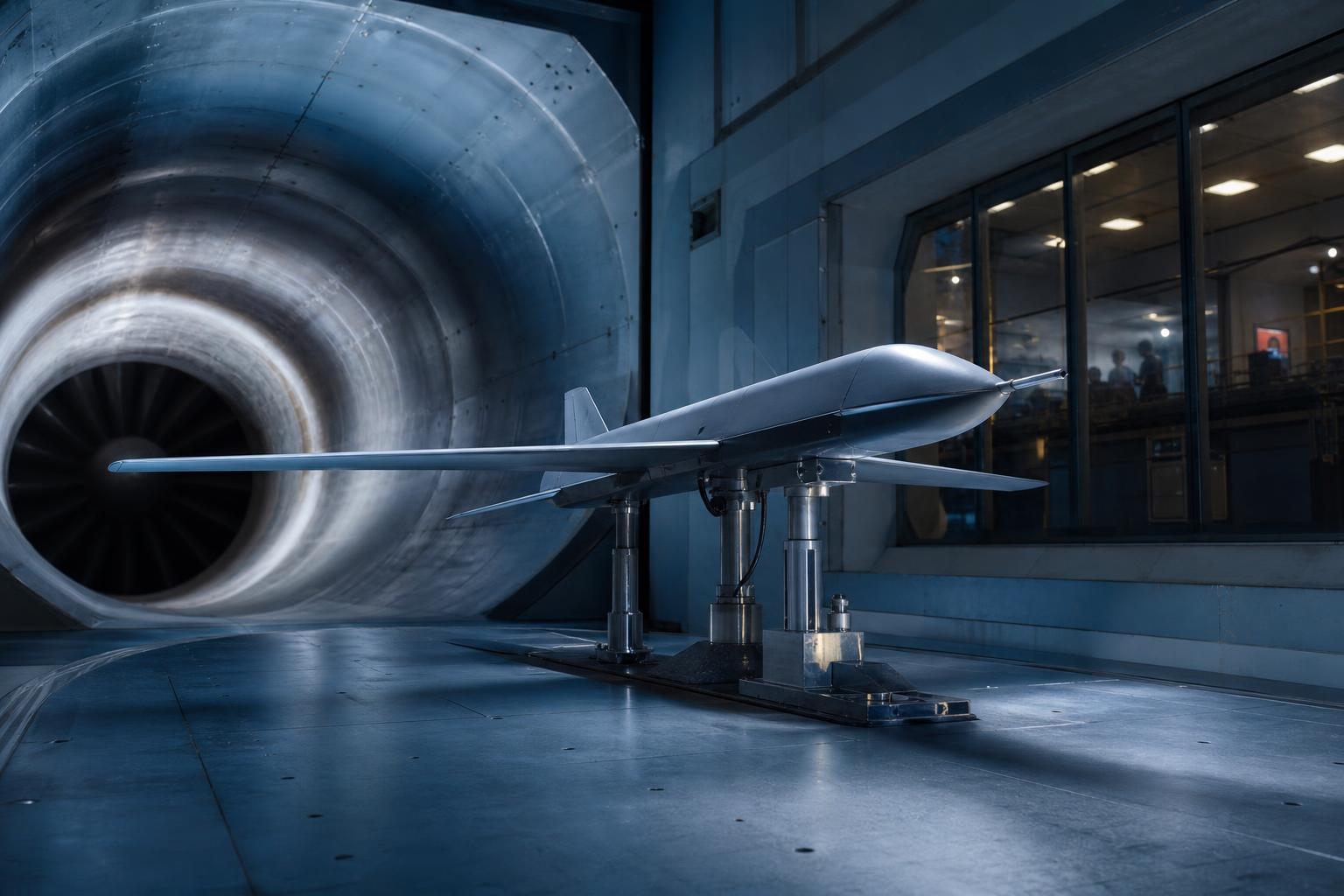
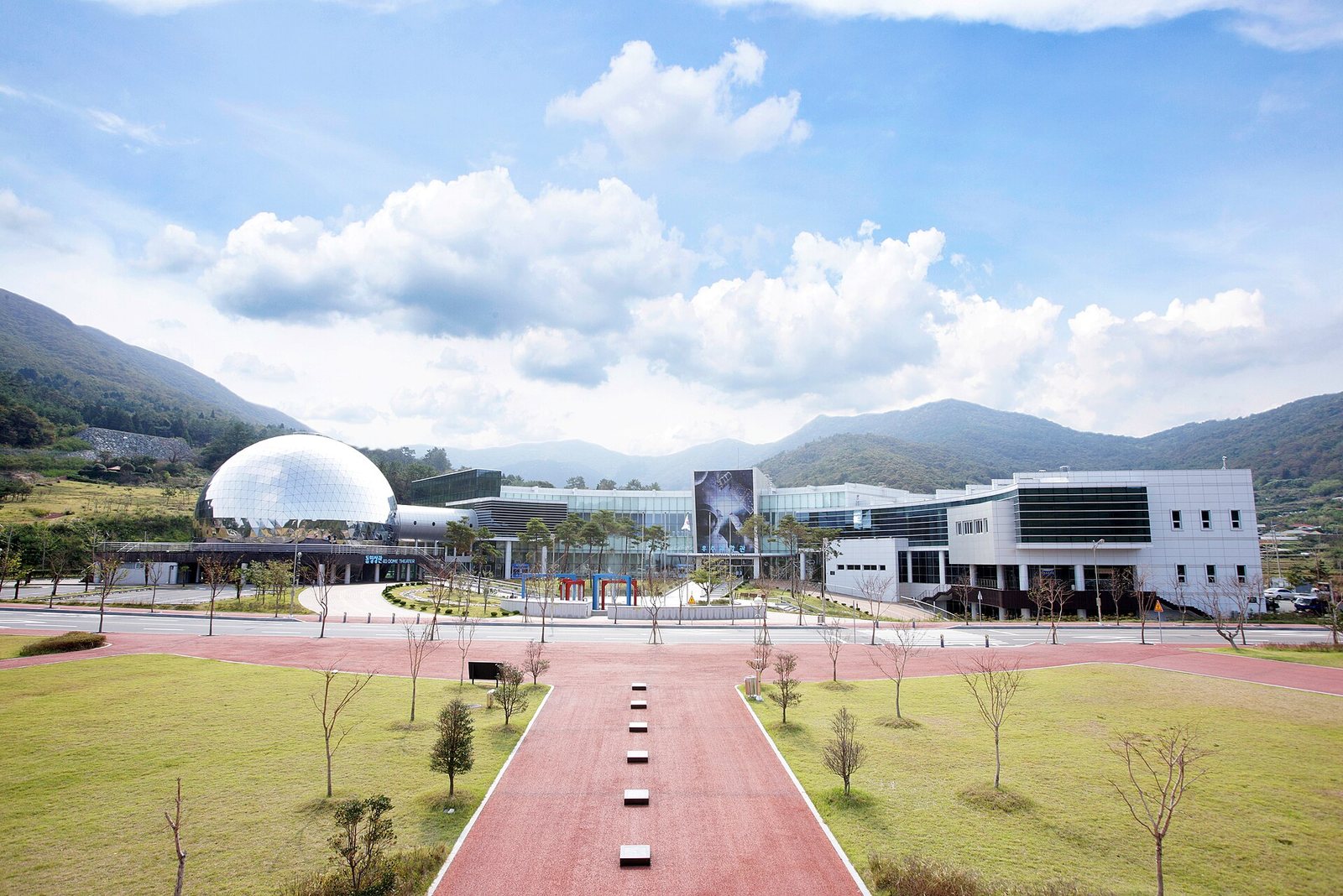
The Korea AeroSpace Administration gathered 11 industry, university and research organizations to share wind tunnel test experience and refine plans for the Integrated Wind Tunnel Center opening in 2030.
Vice Foreign Minister Jeong Yeon-doo said AI-enabled cyberattacks could occur at unprecedented speed and scale, requiring a full reshaping of the cybersecurity paradigm.
The $6.87 million facility will support satellite data reception, operations demonstrations, and workforce training as part of a regional space-industry special zone.
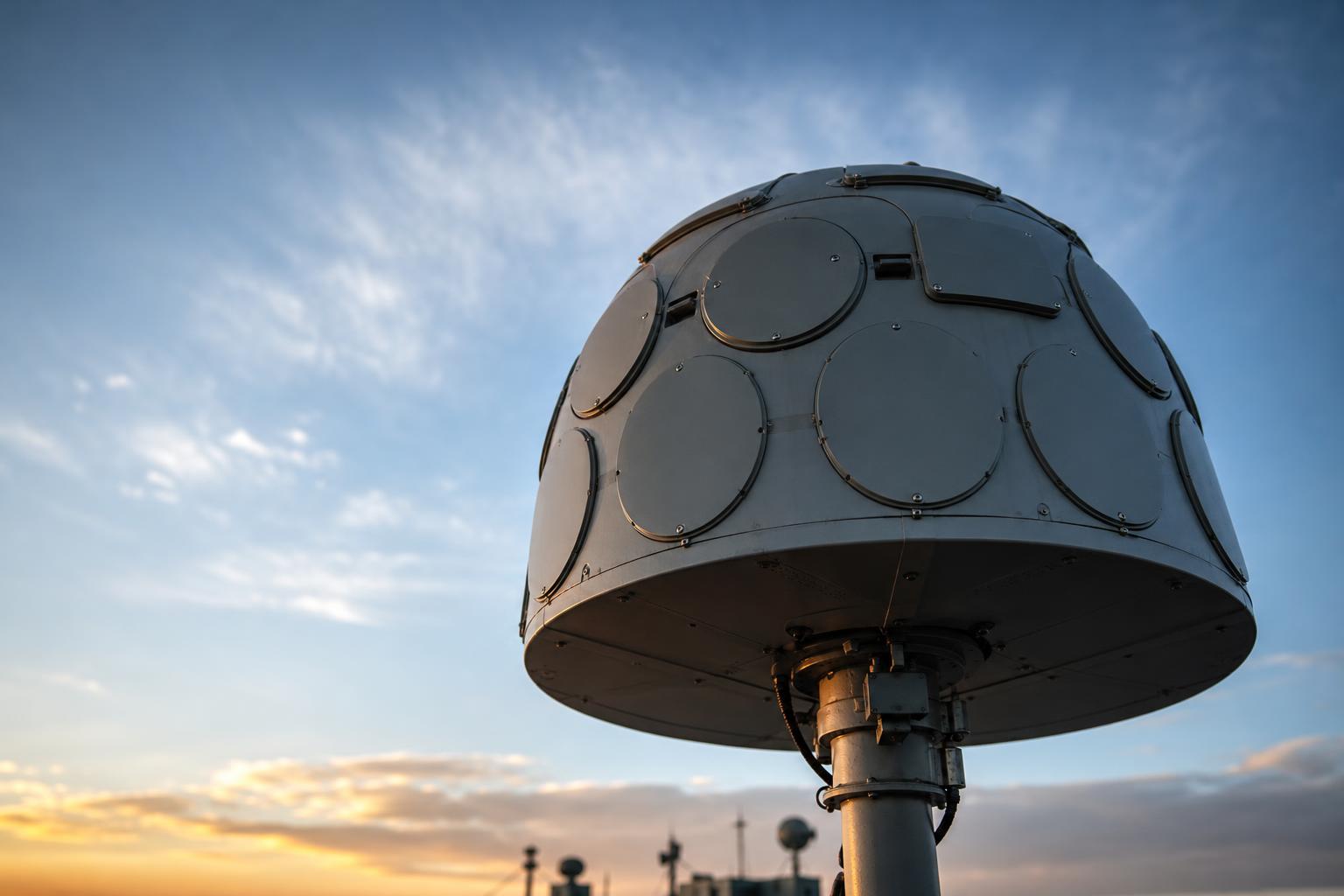
The compact 4D imaging radar detects small drones up to 500 meters and is aimed at civil infrastructure, residential and defense-adjacent security markets.
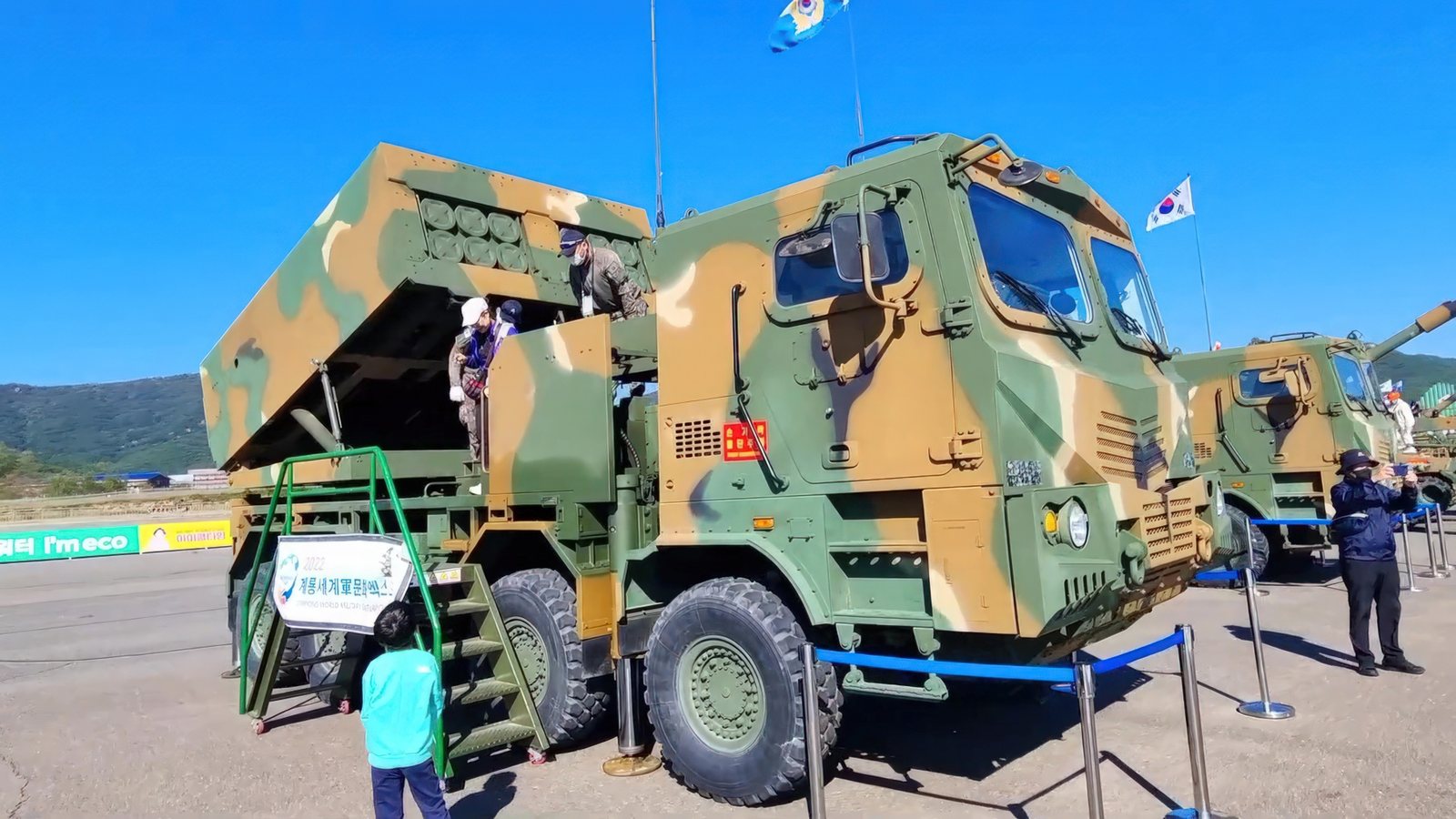
The company and its U.S. unit will conduct two shipboard firing tests this month off the southern U.S. coast, expanding the land-based system to maritime platforms.
The tests aim to verify whether the land-based guided rocket system can operate from maritime platforms, as Hanwha pursues unmanned vessel integration.
The designation aims to support defense SMEs from technology development to commercialization, with the Defense Innovation Lab project starting in December.
The company completed a 18,000-pyeong manufacturing center in Suncheon and is pursuing production of up to 100 satellites per year at its Jeju Space Center.
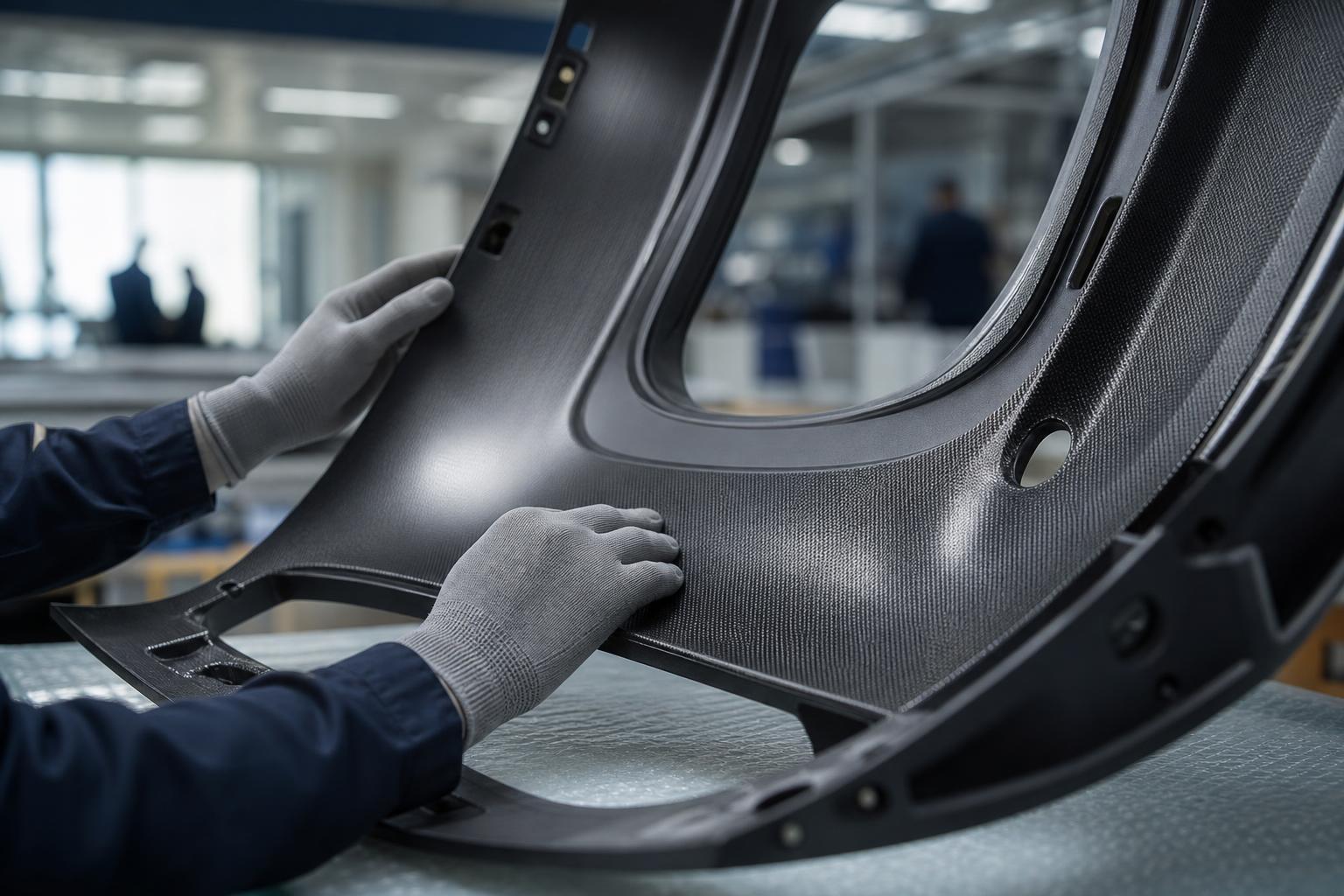
The Korea Institute of Materials Science will support TIC Co. in developing domestic materials for drivetrain modules used in next-generation armored vehicles aimed at export markets.
The agreement establishes a cooperation framework for AI in maritime and naval-vessel programs, alongside the opening of a Navy-Marine AX hub in Busan.
The corrected filing pushes back payment for a 531.97 billion won third-party allocation, affecting timing of guided-weapons capacity investments at Gumi and Gimcheon.
The Defense Project Promotion Committee cleared development and production plans worth about $2.83 billion, including a longer-range tactical missile and unmanned mine countermeasures vessel.
Hoban Group's stake increase beyond the Cho family's combined holding could require government permission because Korean Air is a key defense contractor.
The Ministry of National Defense and ADD presented common architecture results across battlefield domains and AI/autonomy, aiming to link research to acquisition.
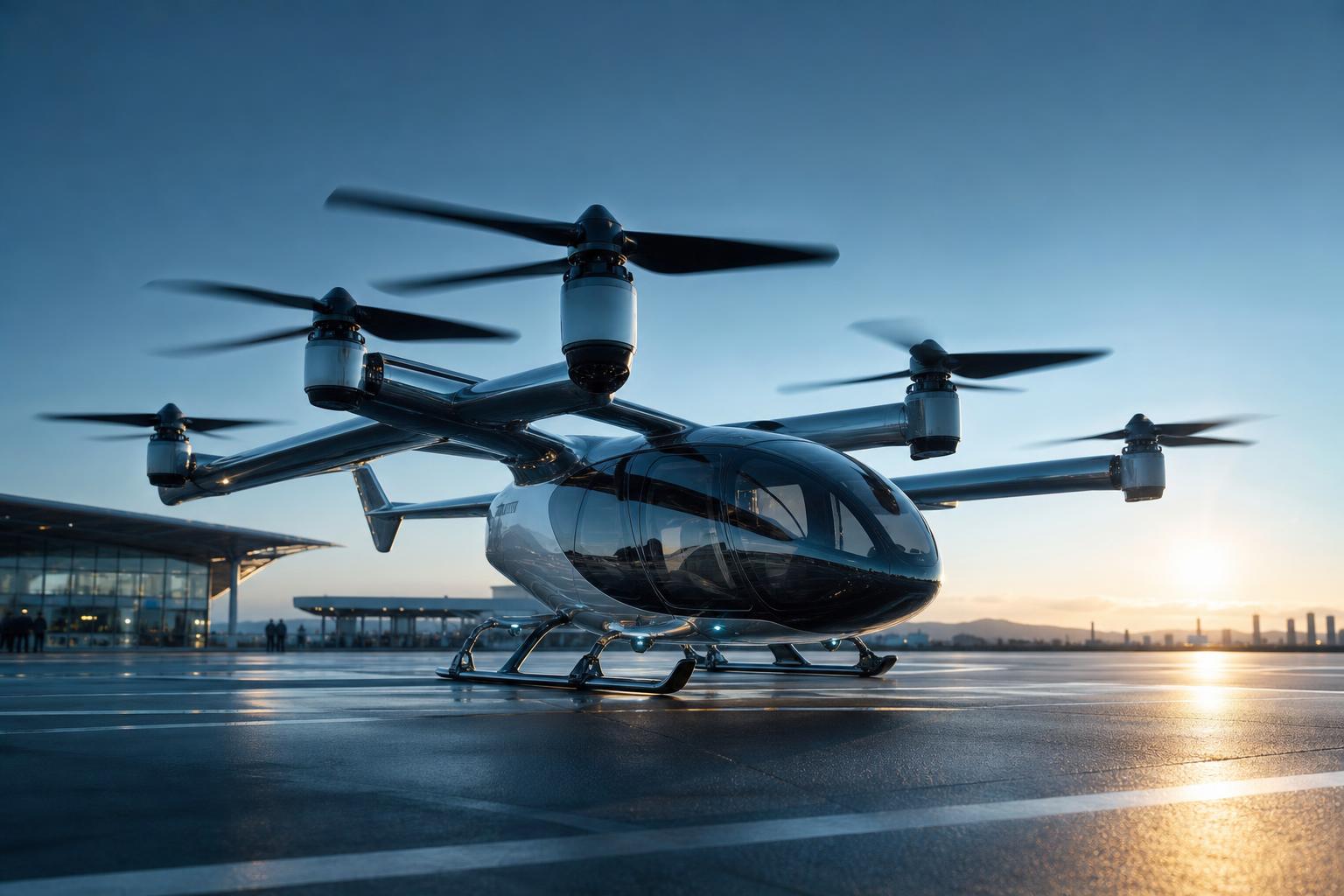
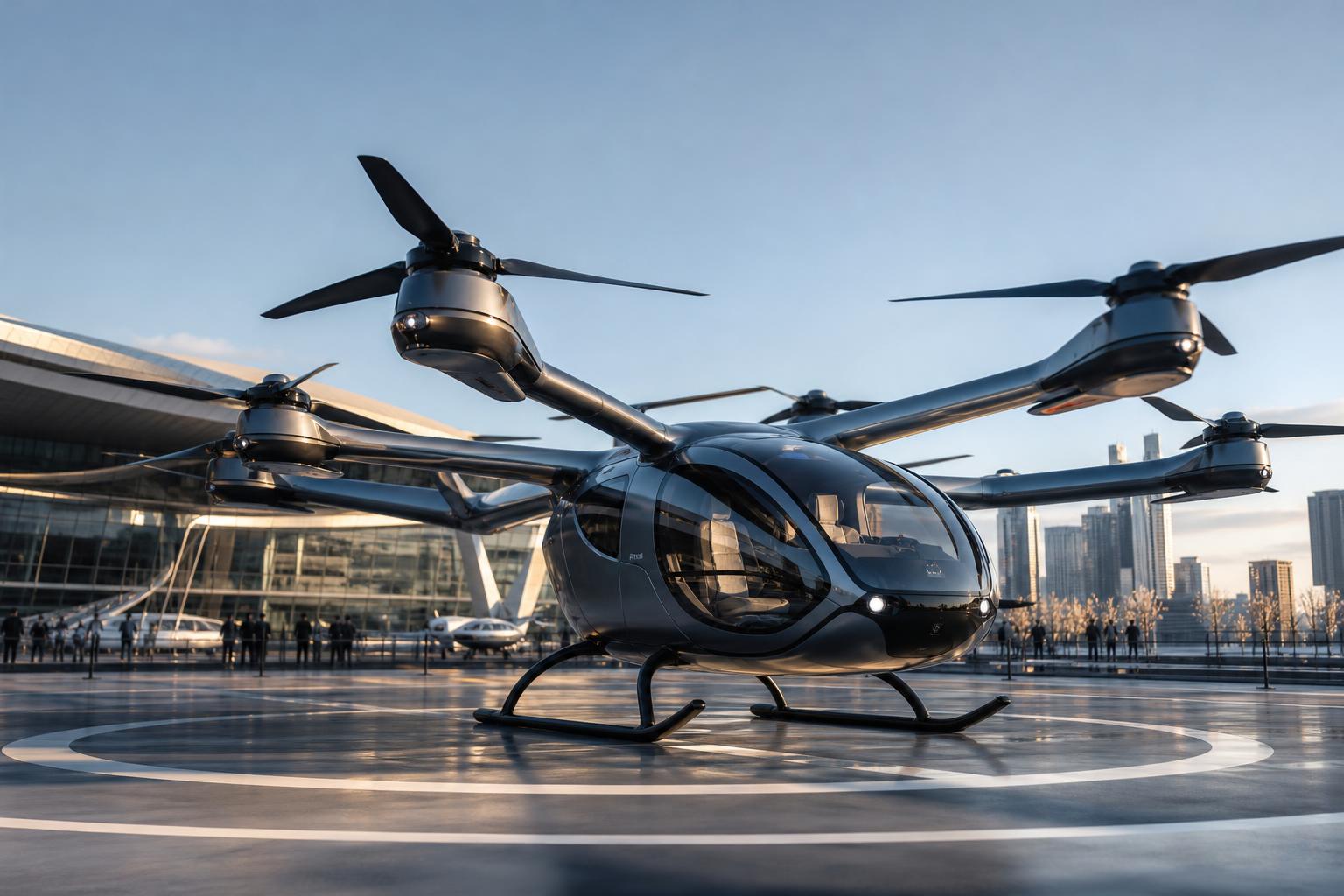
The tripartite agreement aims to establish infrastructure, conduct flight trials and build a regional ecosystem for commercial eVTOL flights in Goyang City.
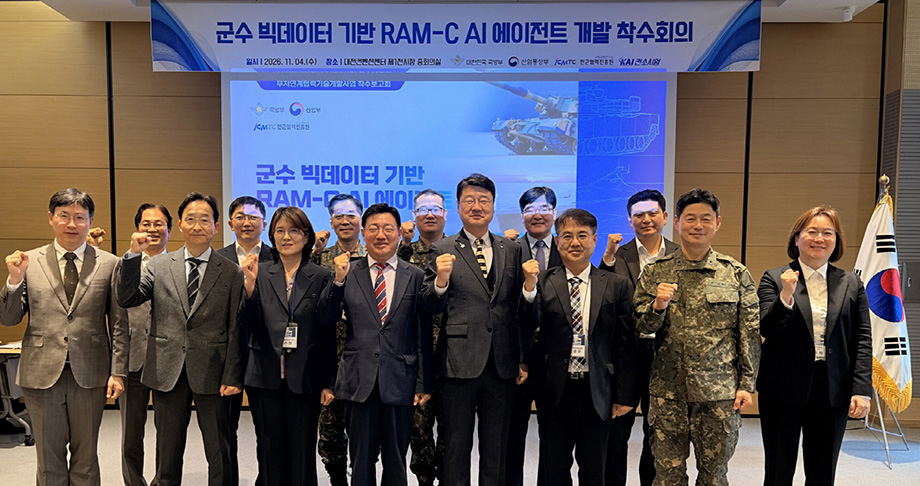
The 48-month, $21.9 million project aims to improve weapon system availability and strengthen K-defense competitiveness through integrated RAM-C analysis.
The three-day field training exercise simulated an enemy satellite approaching a South Korean satellite, testing detection, tracking, and avoidance maneuvers.
The Nov. 4 open innovation event connected deep-tech startups with prime contractors for technology cooperation and commercialization in aerospace and defense.
The Gorzów Wielkopolski facility will produce CGR-080 guided rockets for Poland's Homar-K multiple rocket launchers, deepening Korean-Polish defense cooperation.
The Public Procurement Service plans to require bid deposits from all bidders and expand sampling inspections for soldier-safety items after a pilot cut average bidders per tender by 83.9%.
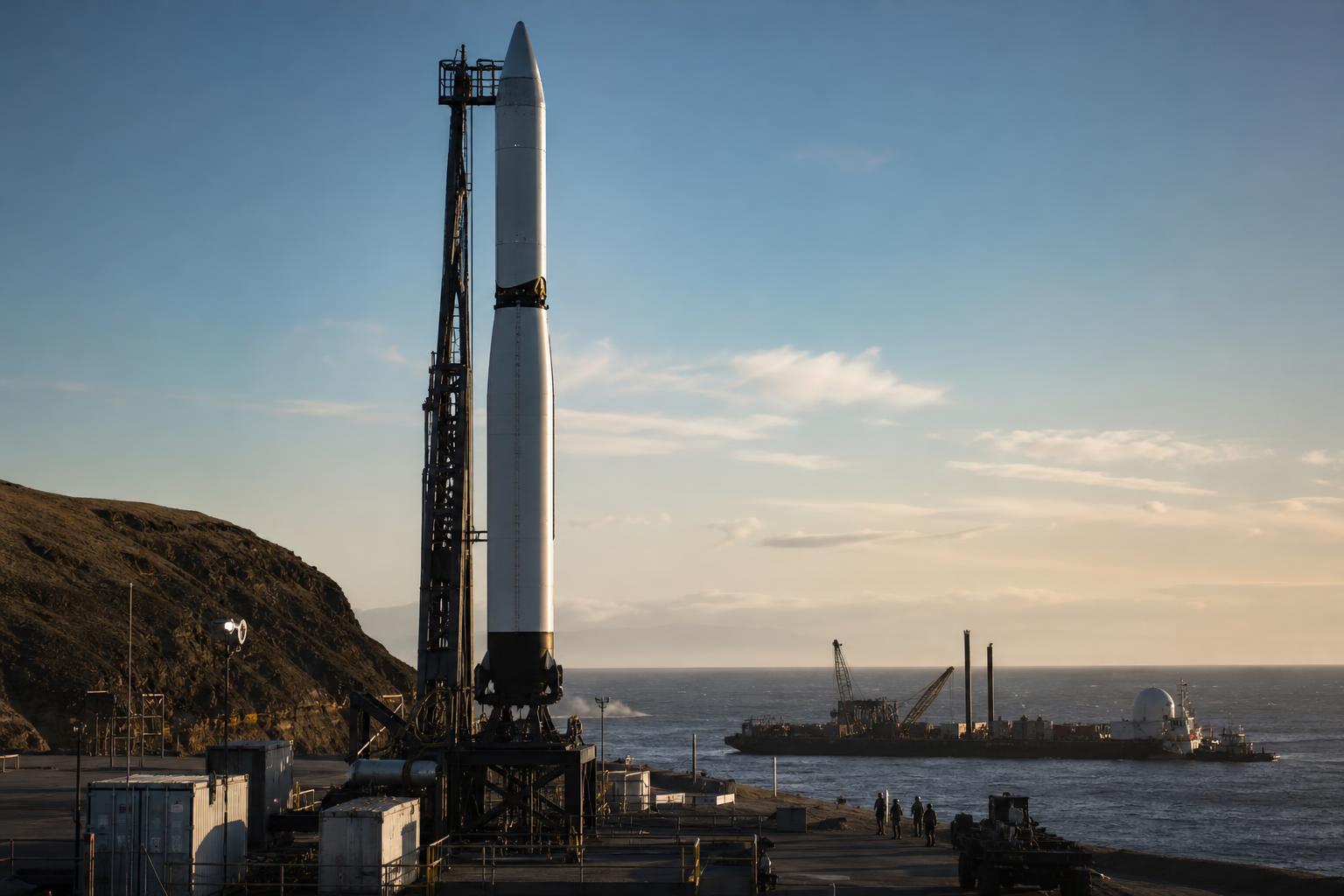
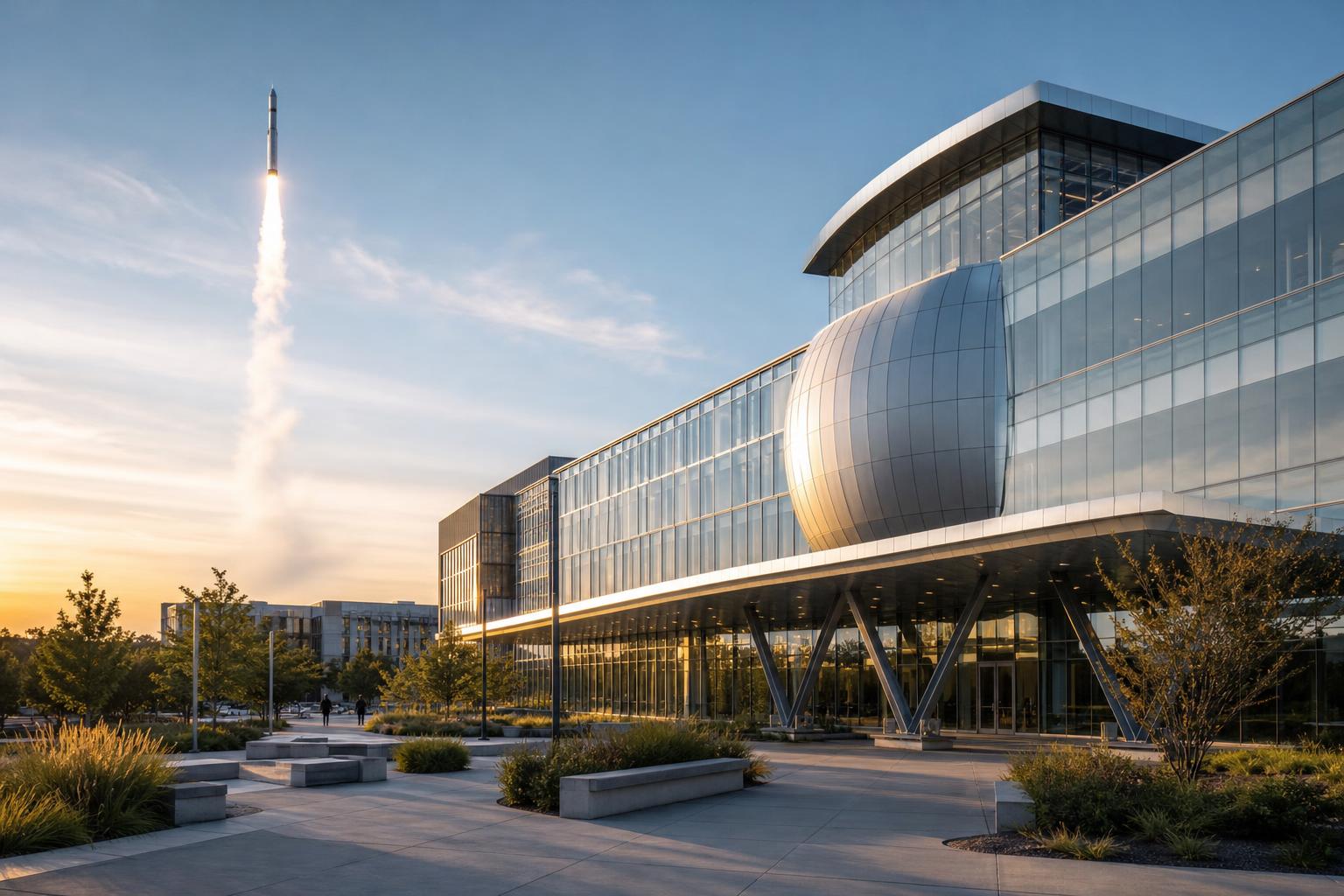
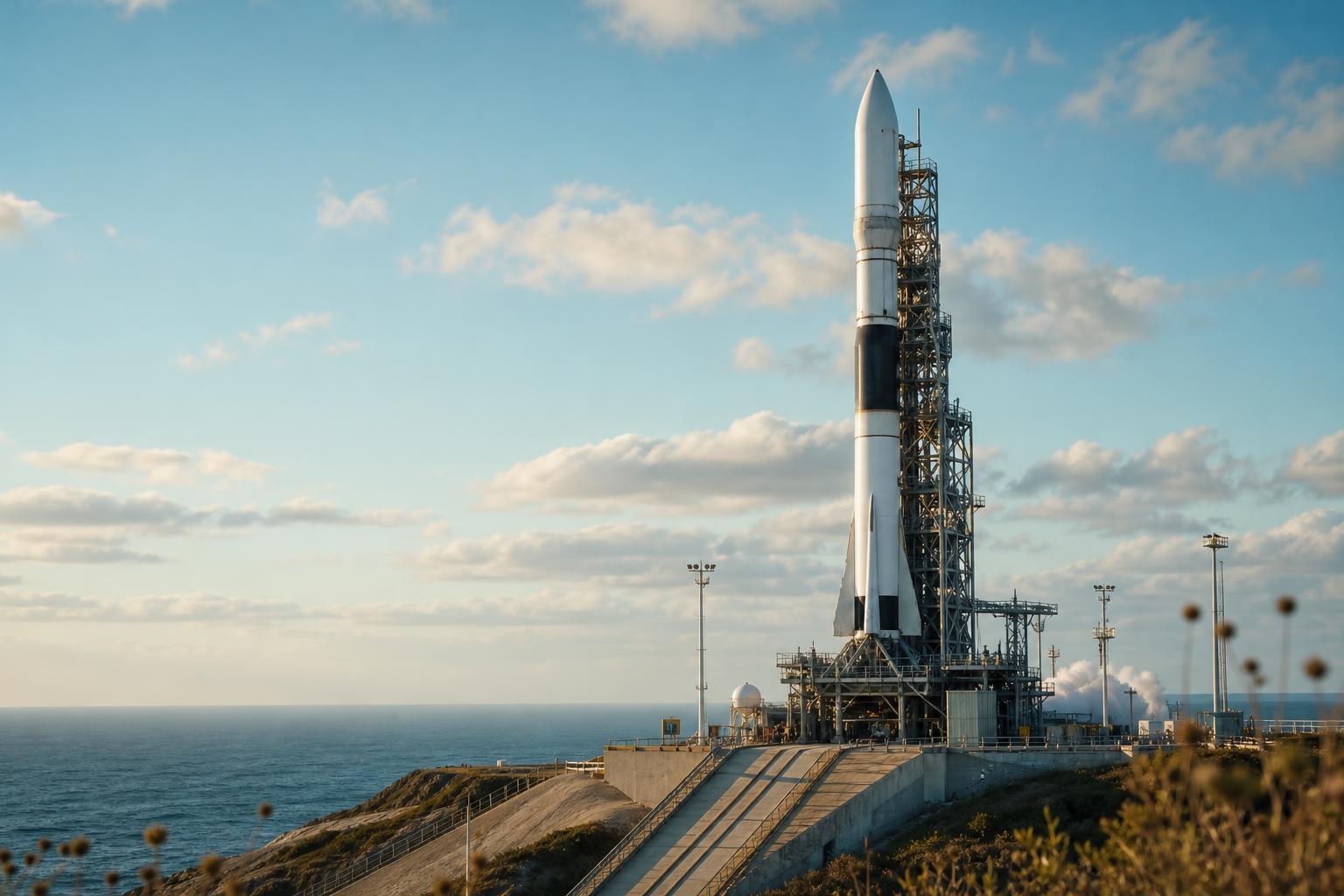
Ten Philippine Space Agency engineers spent 10 weeks assembling and testing the Blue Whale 0.1 sounding rocket, which will launch in the Philippines early next year.