Hanwha's U.S. investments and shipyard moves, a government-wide cyber asset push, and new AI and engine programs dominated the week in Korean defense and aerospace.
The Future Innovation Research Center shared findings at an aerospace conference, covering gesture control, interceptor drones, foldable wings and radar deception.
Hanwha Aerospace, Hanwha Ocean and Hanwha Systems have invested or decided to invest a combined 1.51 trillion won in U.S. entities this year, expanding production and shipbuilding presence.
The semiconductor reliability-testing firm expects fourth-quarter delivery of RF evaluation equipment for a European defense customer to lift results further.
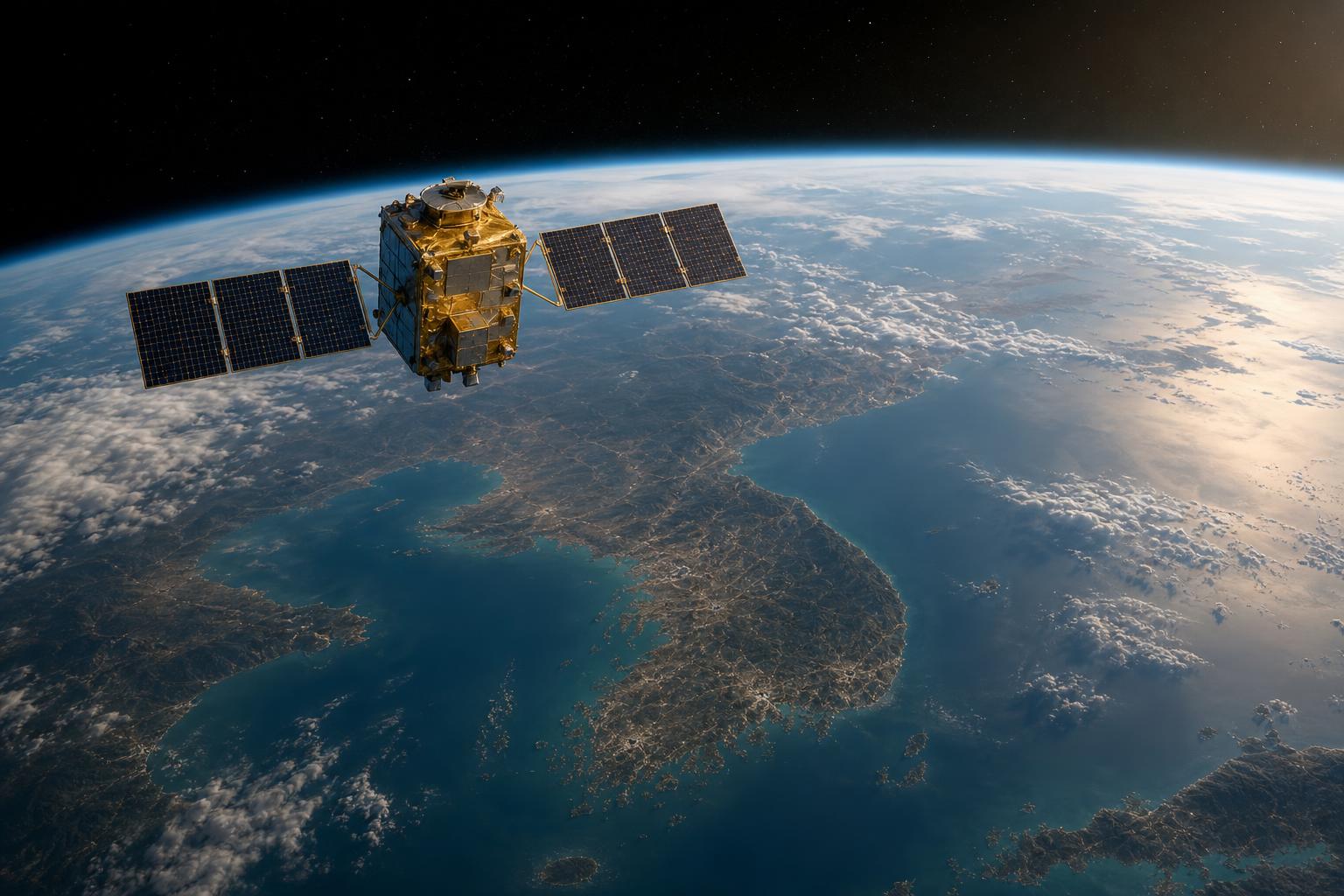
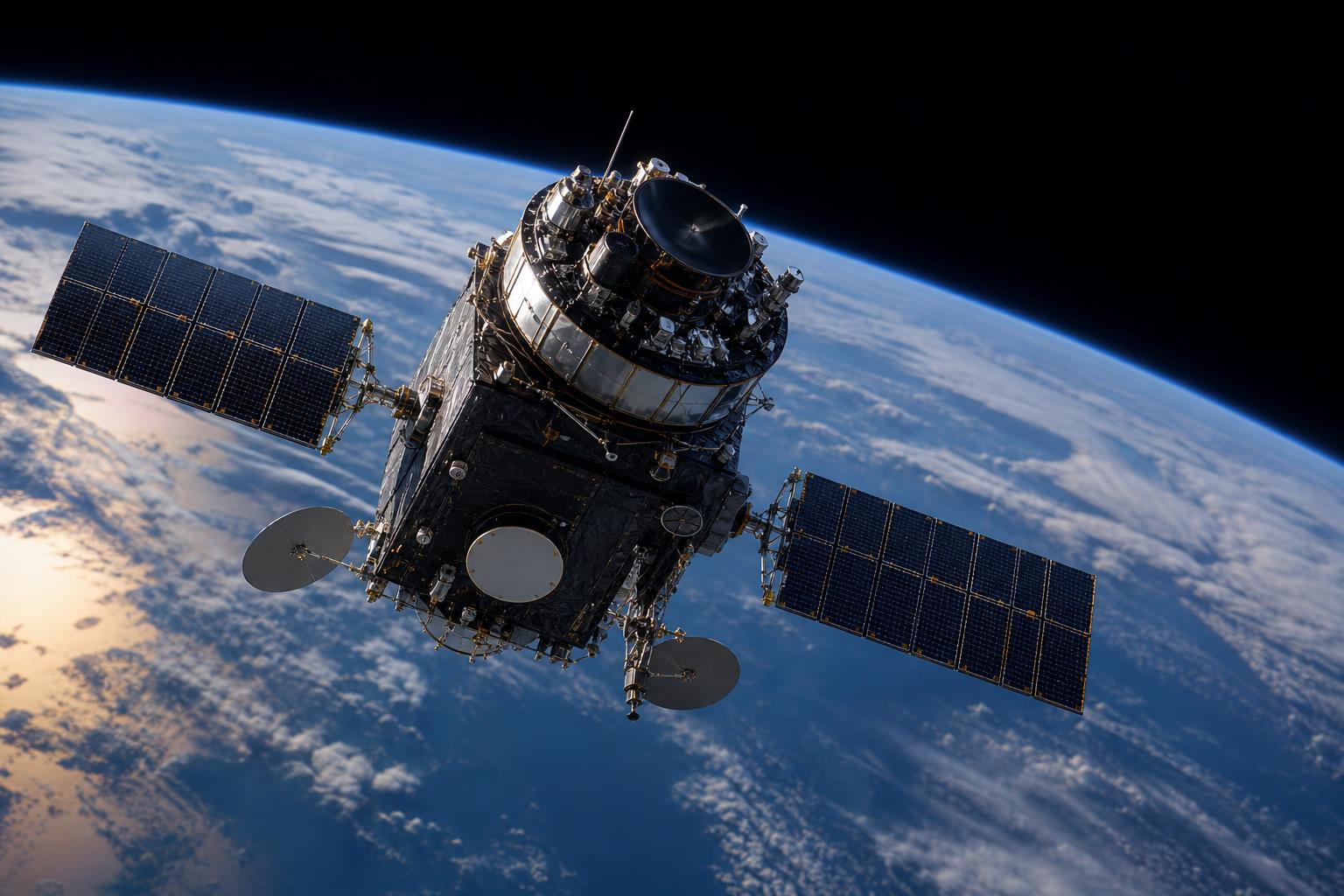
The Hanwha Aerospace affiliate will build new facilities in Daejeon to strengthen repeat satellite-production capability, with construction scheduled through 2028.
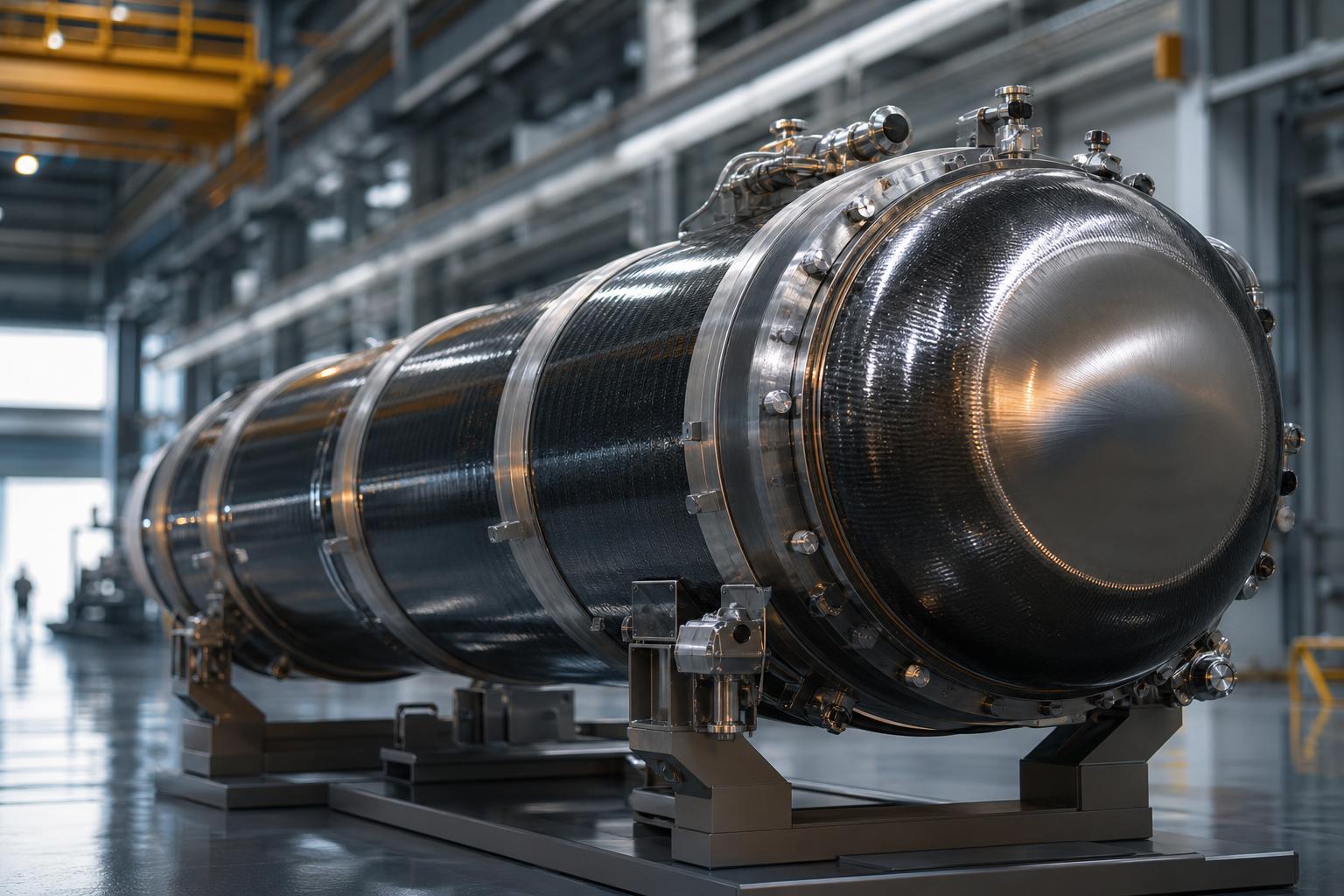
The deal transfers a U.S. high-pressure composite tank specialist to Hanwha Aerospace's American defense arm, adding launch-vehicle propellant tank technology and an Alabama production base.
Provincial assembly member questions whether the 4.5 billion won climate satellite program secured substantive public rights and why an overseas deal went unreported.
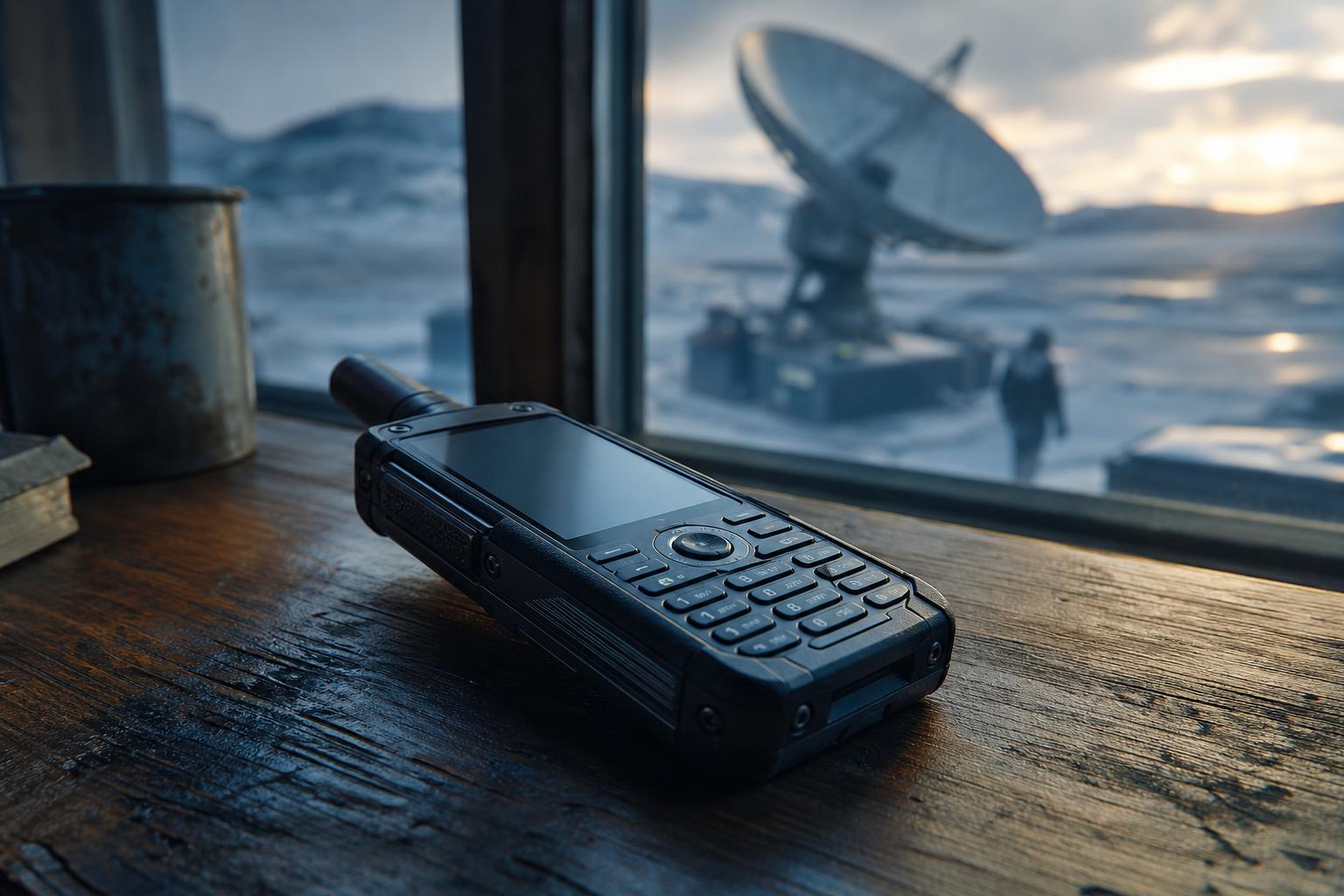
The Korean firm will develop and mass-produce a handset supporting terrestrial 4G/5G and Thuraya L-band satellite communications in commercial and government models.
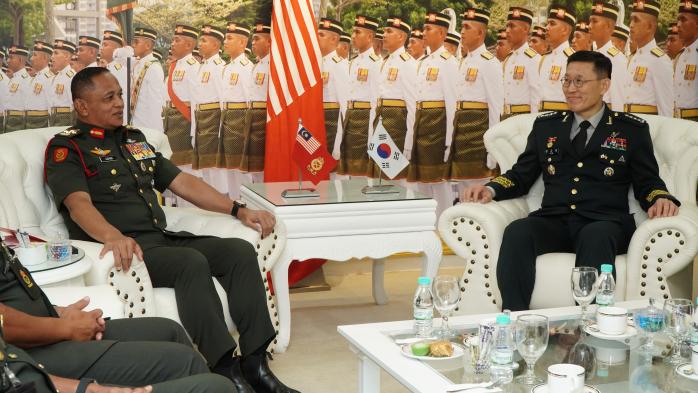
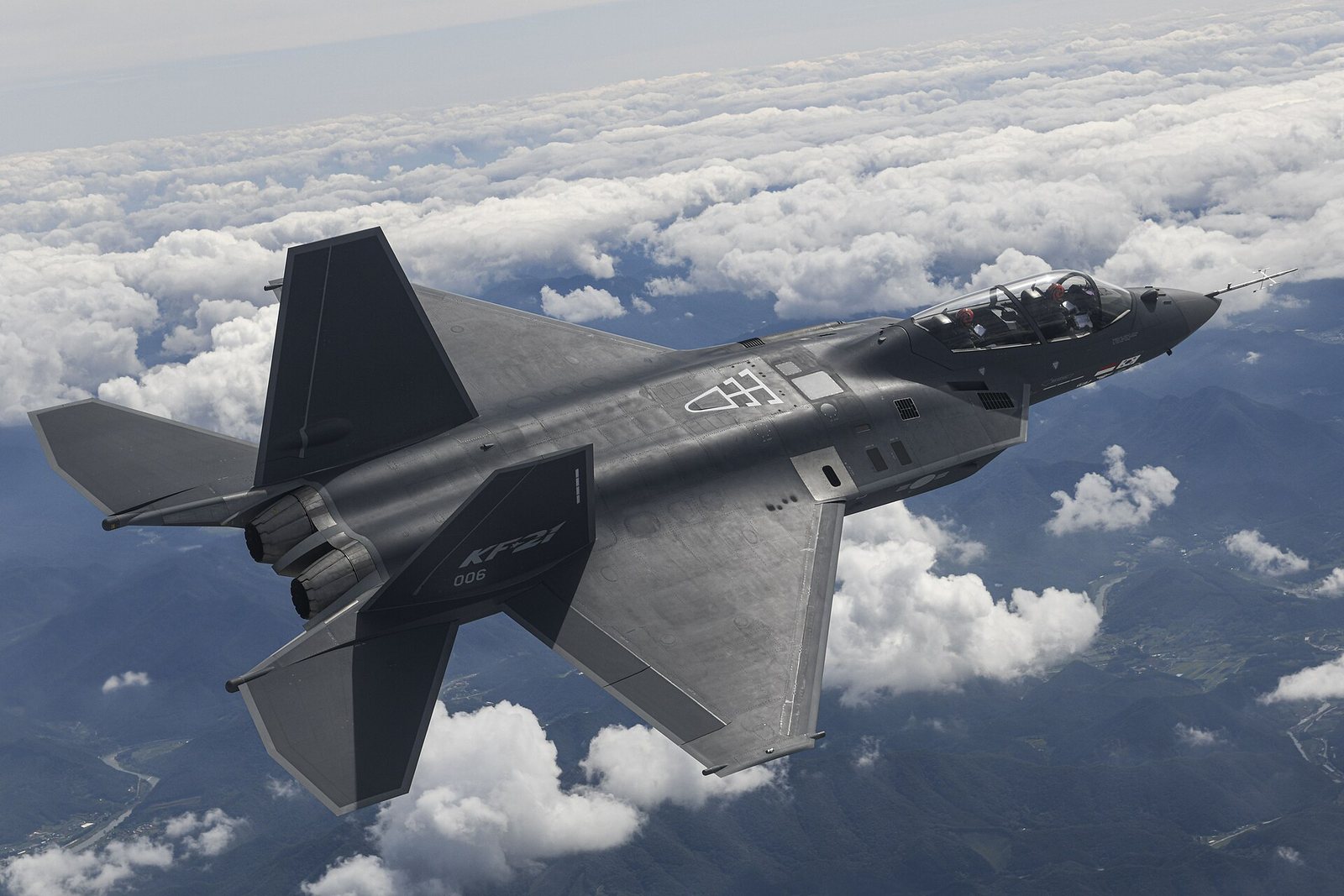
The agreements add concrete industrial work packages to Korea-Indonesia aerospace cooperation, including KF-21 follow-on production items for KAI and aircraft MRO support for Korean government operators through KAEMS.
The Nov. 13 briefing will outline plans for industry-led development, a hybrid propulsion system and expanded environmental and ocean observation payloads.
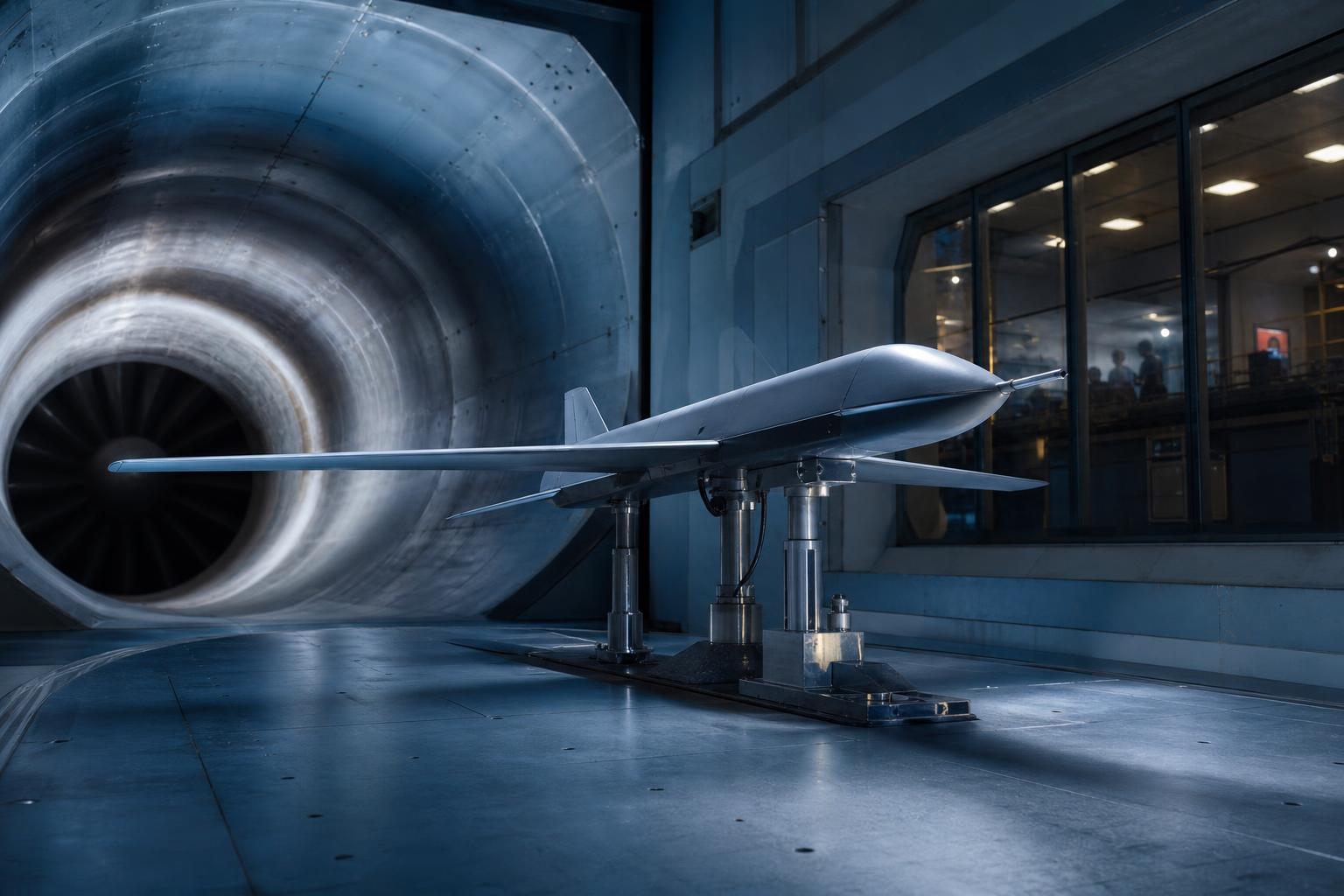
The Korea AeroSpace Administration gathered 11 industry, university and research organizations to share wind tunnel test experience and refine plans for the Integrated Wind Tunnel Center opening in 2030.
The Korean industrial-gas supplier aims to enter the global satellite-propulsion market after obtaining AS9100D certification and shipping xenon to KARI and Hanwha Aerospace.
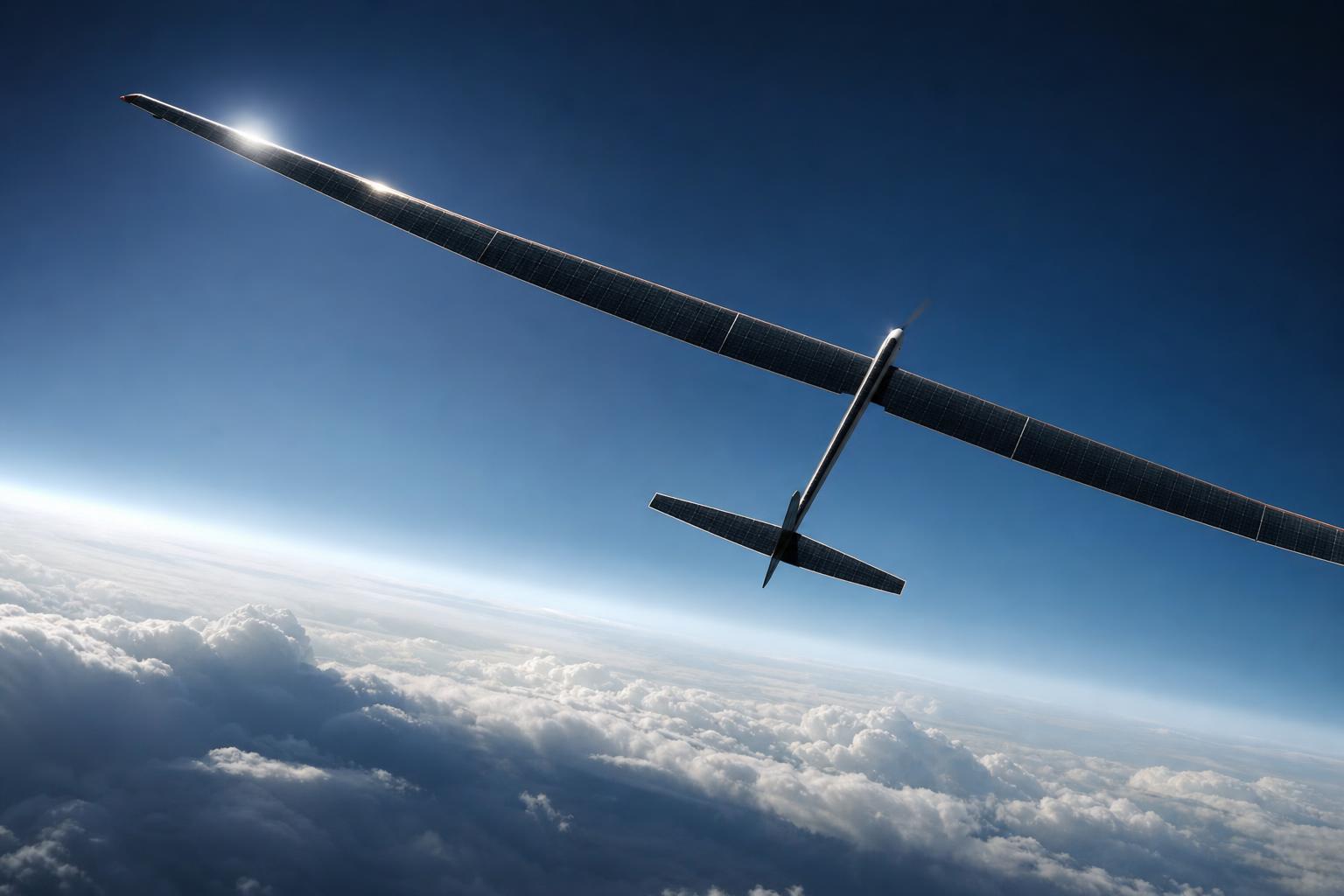
The Korea AeroSpace Administration plans a five-year program from 2028 to develop a hybrid vertical takeoff and landing aircraft for regional transport, following a 170-hour stratospheric solar drone flight.
The $6.87 million facility will support satellite data reception, operations demonstrations, and workforce training as part of a regional space-industry special zone.