Hanjin KAL control fight may trigger defense-contractor approval for Korean Air
Hoban Group's stake increase beyond the Cho family's combined holding could require government permission because Korean Air is a key defense contractor.
A corporate-control battle at Hanjin KAL could face a defense-approval hurdle because Korean Air is a key defense contractor, BusinessKorea reported on Nov. 4.
Hoban Group recently acquired additional Hanjin KAL shares, determined that it had surpassed the 20.57% combined stake of Hanjin Group Chairman Cho Won-tae's side, and reported the business combination to the Fair Trade Commission, according to the report.
Hoban had previously disclosed in July that it held a 20.15% stake in Hanjin KAL.
Cho Won-tae signed a block deal contract worth $27.6 million (37.05 billion won) for 325,000 shares on Nov. 2, according to the report.
Combining Cho Won-tae's basic stake with friendly stakes such as Delta Air Lines' 14.90% and the Korea Development Bank's 10.58%, the friendly stake ratio is estimated to exceed 46%, according to the report.
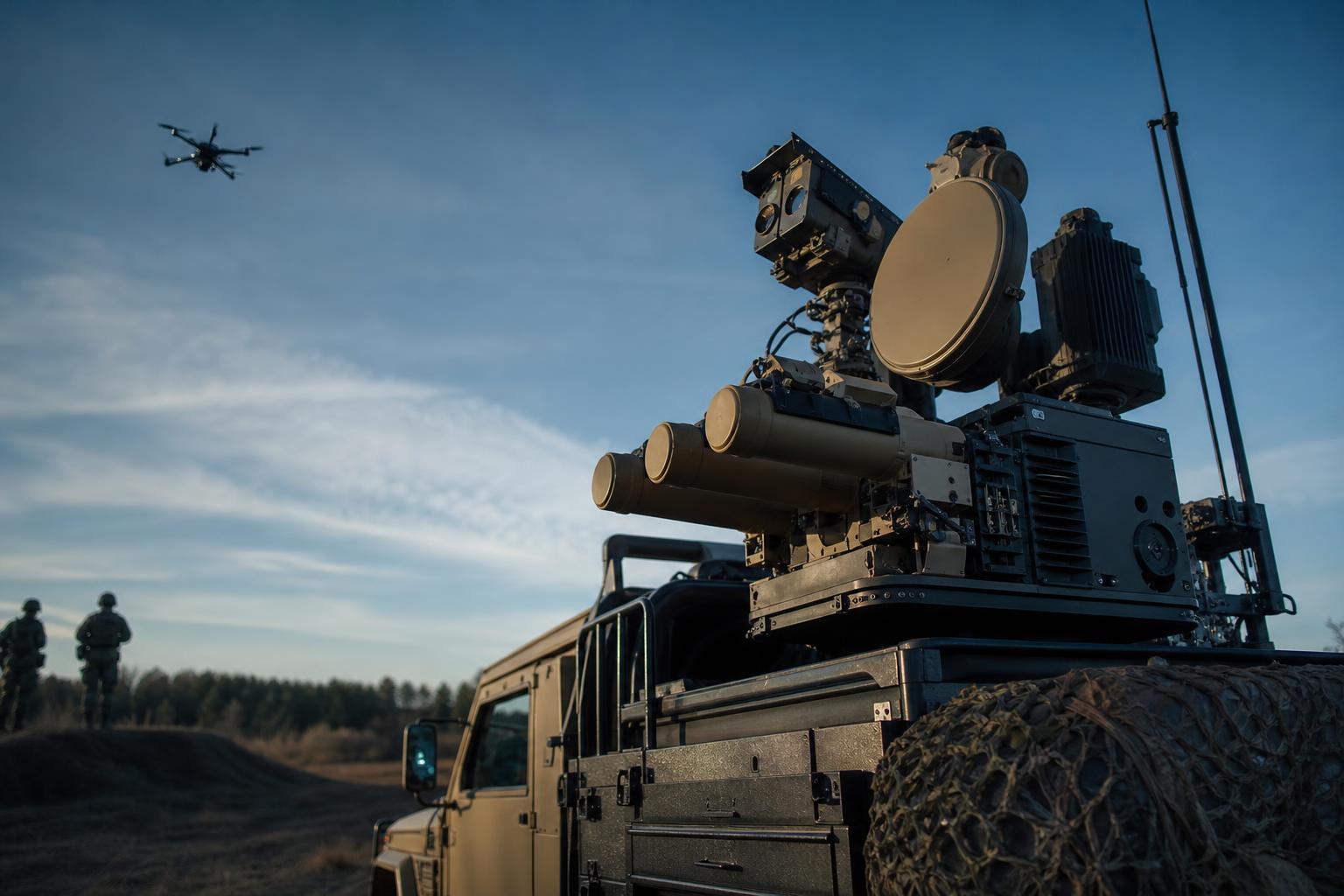
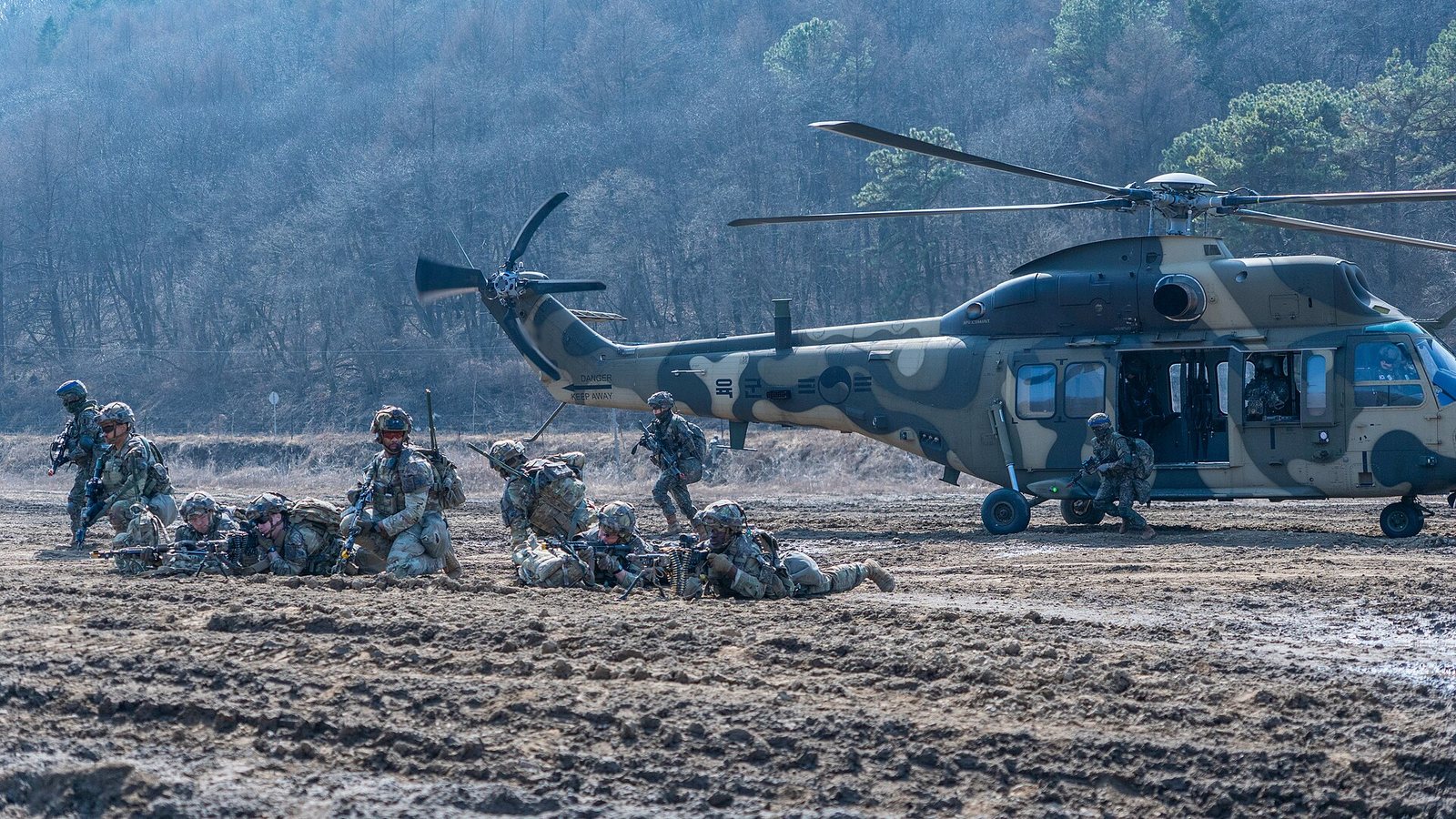
Korean Air is described in the report as a key defense contractor responsible for manufacturing, repairing and improving military aircraft and unmanned aerial vehicles.
Korean Air's aerospace division order backlog reached approximately $1.96 billion (2.64 trillion won) as of the first half of this year, according to the report.
The report says Article 35 of the Defense Acquisition Program Act requires the acquirer and the relevant company to obtain prior permission from the Minister of Trade, Industry and Energy if management control of a defense contractor changes.
The report says direct attempts to influence management, including appointing directors as the largest shareholder, are included as a regulated subject.
The report says a recently proposed National Assembly bill would add the Minister of National Defense alongside the Minister of the Defense Acquisition Program Administration as a prior-consultation subject, tightening mechanisms to block acquisitions judged to significantly hinder national security or risk leakage of military secrets.