KAI launches AI agent project to predict weapon-system maintenance and costs
The 48-month, $21.8 million program aims to improve readiness and reduce life-cycle costs using military logistics big data and AI.
Korea Aerospace Industries (KAI) said it has begun developing a RAM-C AI agent that combines military logistics big data and artificial intelligence to maximize the economics and efficiency of weapon systems, according to Gyeongnam News Today.
The company held a project kickoff meeting on Nov. 4, 2026, at the Daejeon Convention Center with more than 100 officials from the Ministry of National Defense, the Ministry of Trade, Industry and Energy, the Civil-Military Technology Cooperation Center, the requirement military services and other government bodies.
KAI was selected in September 2026 as the lead research-and-development organization for the project and completed an agreement with the Civil-Military Technology Cooperation Center, Gyeongnam News Today reported.
The project is funded by the Ministry of National Defense and the Ministry of Trade, Industry and Energy, managed by the Agency for Defense Development’s Civil-Military Technology Cooperation Center, and is valued at $21.8 million (29.3 billion won) over 48 months.
RAM-C refers to Reliability, Availability, Maintainability and Cost, a framework used to analyze weapon-system performance and life-cycle economics from development and acquisition through operation, maintenance and upgrades, according to Pinpoint News.
KAI plans to build an integrated logistics data analysis platform that uses AI to predict failure probability, parts replacement timing and maintenance costs for weapon systems, E Today reported.
The company also plans a conversational AI agent that lets military operators and maintenance personnel ask questions in everyday language and receive analyzed logistics data needed for decision-making.
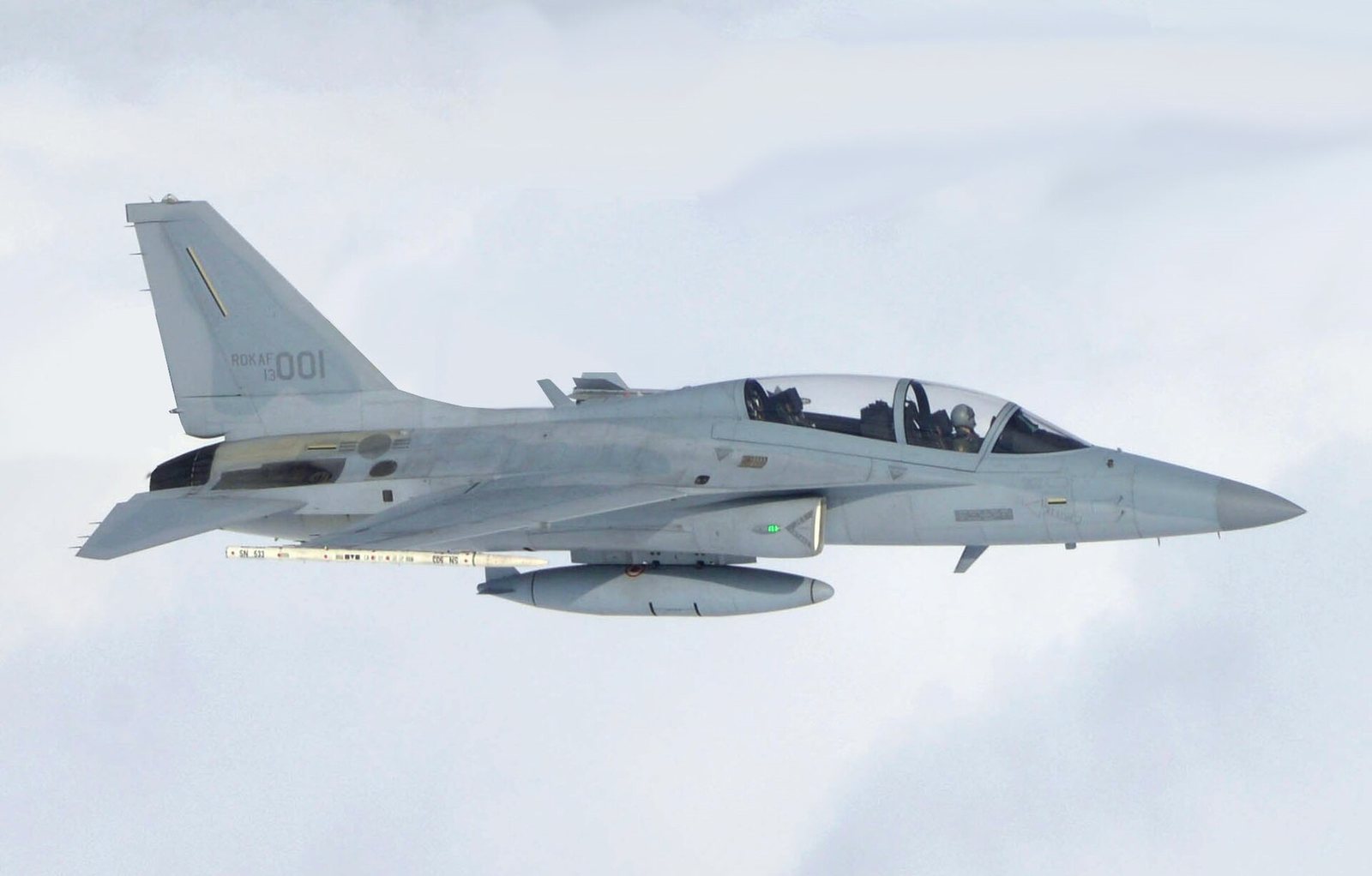
KAI plans phased validation on major land, sea and air systems including the FA-50 fighter, K2 tank, maritime surveillance radar-II and naval vessels, Pinpoint News reported.
The Ministry of National Defense and Ministry of Trade, Industry and Energy said the project consists of three major parts: integrated logistics-data infrastructure, intelligent RAM-C analysis models and intelligent decision-support technology based on integrated analysis, according to Electric Newspaper.