KIMS to Help Localize Drivetrain Parts for 30-Ton, 700-HP Armored Vehicles
The Korea Institute of Materials Science will support TIC Co. in developing domestic materials for drivetrain modules used in next-generation armored vehicles aimed at export markets.
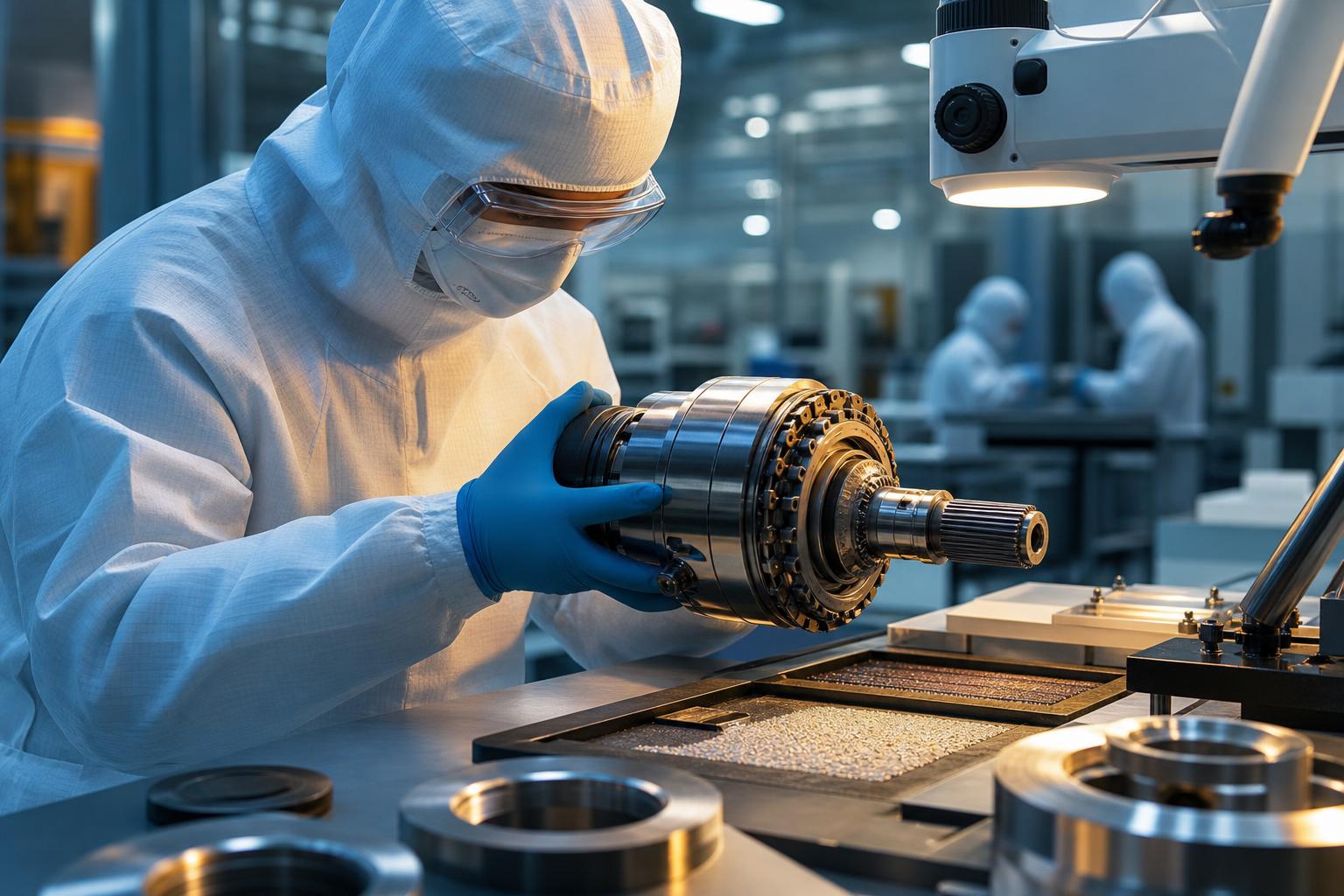
The Korea Institute of Materials Science (KIMS) said it began materials-technology support for TIC Co., a Changwon-based defense drivetrain-parts specialist, to localize key parts for next-generation armored vehicles.
KIMS described the effort as a 'cluster-type technology support' case aimed at solving common technology needs across a defense supply chain from a large prime contractor to small and midsize partner firms.
TIC is participating as a joint developer in a domestic large-company-led project to modify and develop a drivetrain module for next-generation armored vehicles. The project targets performance requirements for 30-ton-class, 700-horsepower-class armored vehicles driven by export demand, with the goal of localizing drivetrain modules that have depended on overseas products.
The participating structure includes a large company responsible for overall armored-vehicle systems, TIC handling power-transmission, suspension and steering-related core parts, and specialized partners responsible for controllers and frames.
KIMS said the core localization challenge is securing high-performance materials that can withstand increased armored-vehicle weight and output, including high loads, friction and extreme temperatures.
According to The Herald Business, KIMS will support seven core parts, including the auxiliary transmission, differential gear box and wheel hub, through analysis of foreign parts' material composition, microstructure and heat-treatment condition. KIMS plans to select substitute materials that meet domestic industrial standards and review hardenability, cleanliness, post-heat-treatment mechanical properties and domestic procurement feasibility.
Electronic Times reported that TIC was designated a KIMS family company in June, held two on-site technical consultations, signed a technical-advisory contract in October and established an official technology-support framework.
KIMS plans to complete materials analysis and property evaluation of major parts by year-end and propose equivalent materials based on the results.