Pablo Air Publishes Swarm-Level Framework, Adds Five Patents for Drone Autonomy
The Korean startup's classification system aims to turn swarm autonomy into measurable procurement criteria, backed by new patents and recent defense demonstrations.
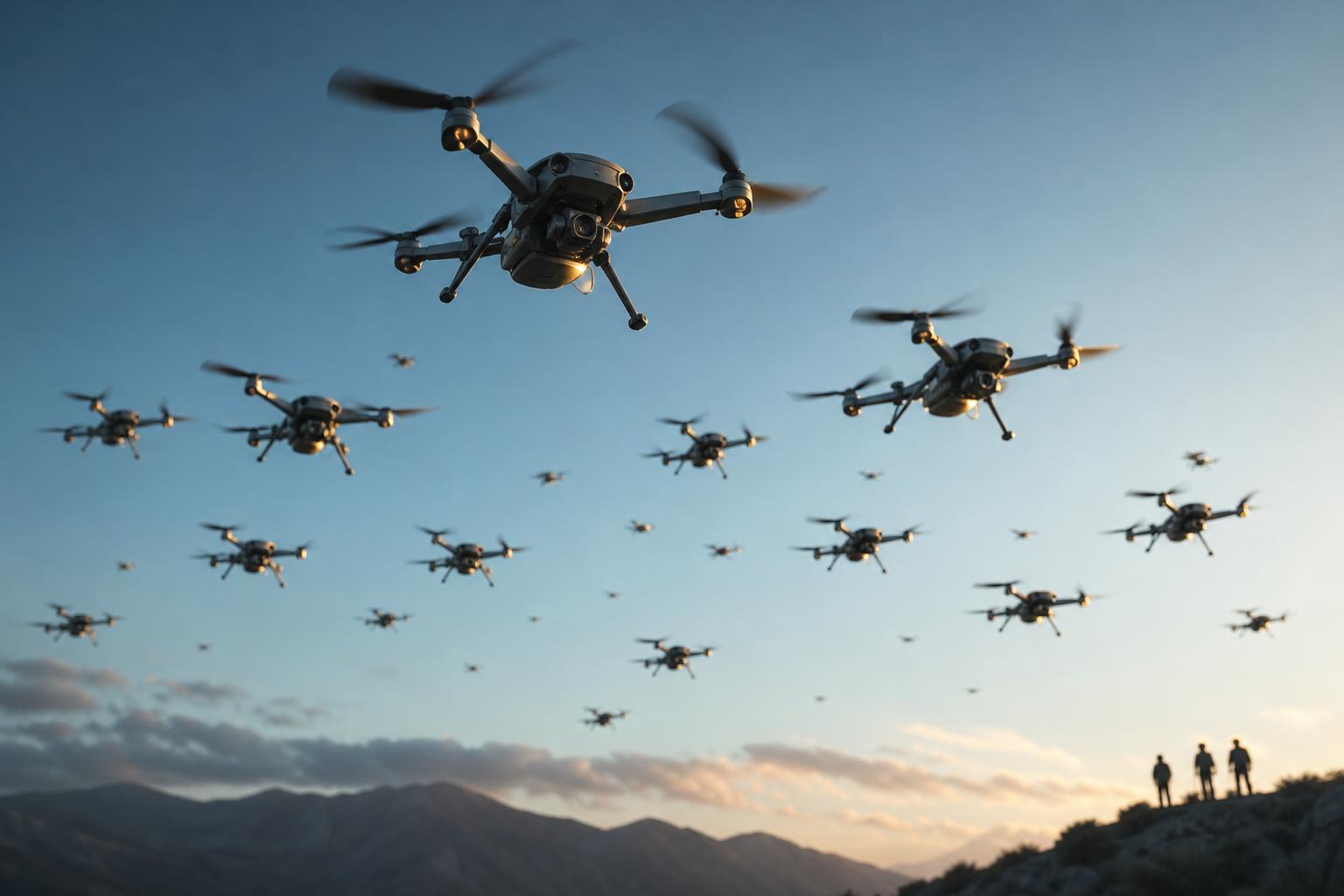
Pablo Air said a paper systematizing unmanned-aircraft swarm technology levels was published in the November issue of the Journal of the Korean Society for Aeronautical and Space Sciences, according to Sisa Journal-E.
The paper, titled "Definition and Classification Framework for Swarm Level of Unmanned Aircraft System Swarms (UASSw)," presents a five-level Level of Swarm classification using network, collaboration and autonomy as key criteria, The Herald Business reported.
The framework classifies simple synchronized drone-show formation flying without inter-vehicle communication or collaboration as Swarm Level 2 and defense swarm drones with dynamic role switching and autonomous reorganization as Swarm Level 4, according to The Herald Business.
Sisa Journal-E reported that Pablo Air also registered five core patents covering wind-information-estimation flight control, spatially adaptive control, machine-learning-weighted control, swarm mission execution, and airframe recovery control and devices. The five new patents raised Pablo Air's core patent holdings to 69.
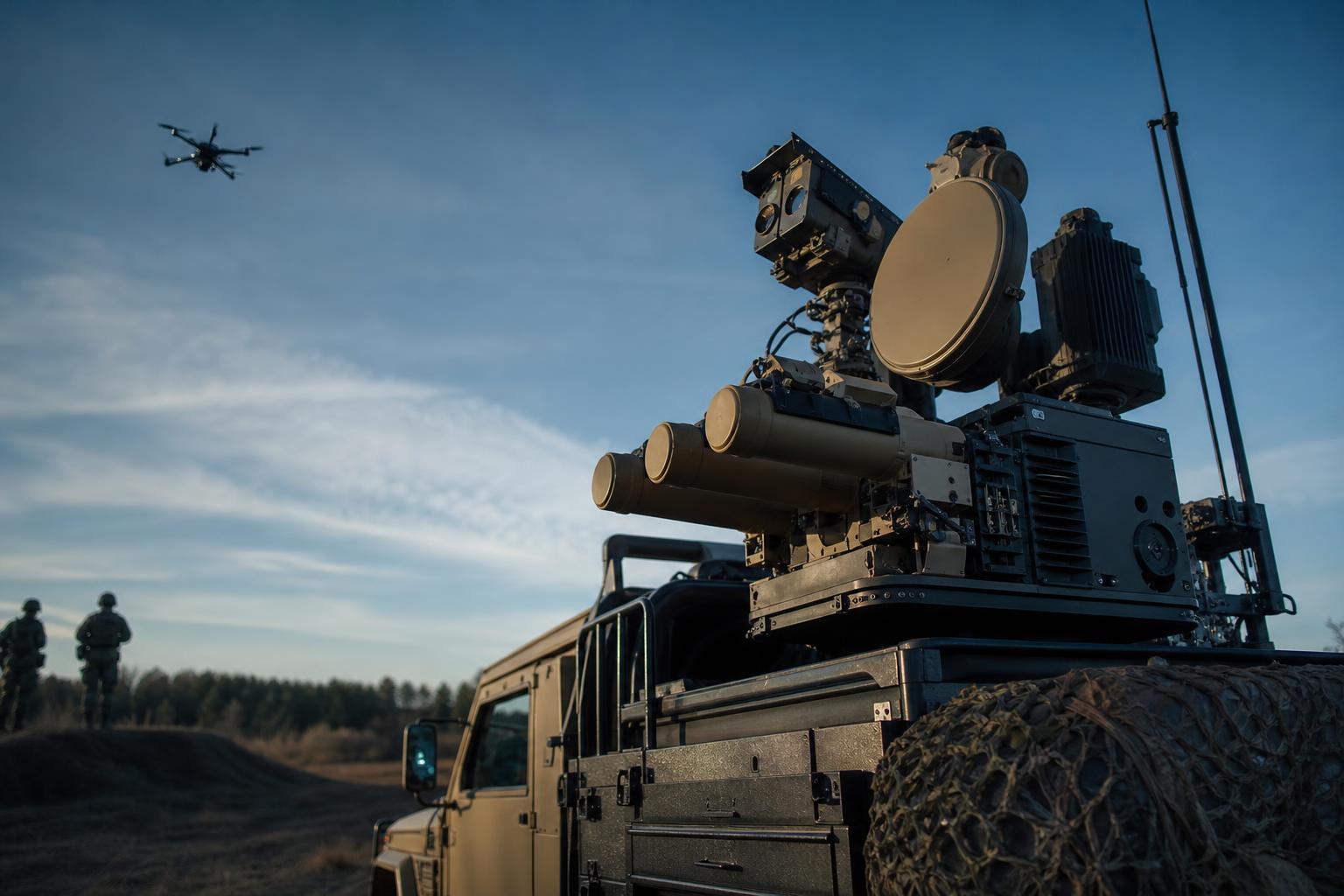
The startup has been demonstrating its swarm capabilities in defense settings. Pablo Air advanced to the finals of the 2026 Korea Drone Offense-Defense Exercise in first place this month and was the only participating drone team to achieve a direct target strike, The Herald Business reported.
Sisa Journal-E reported that Pablo Air supported Korean Air's 22-aircraft AI swarm-drone demonstration at the 2026 Defense Drone Technology Exhibition in September.
Pablo Air expects defense-business revenue to rise from about 30% last year to as much as 70% over this year and next year, according to Sisa Journal-E.