Week in review: Nuclear submarine approval, naval AI pact, and space industry momentum
South Korea's defense sector saw major program approvals, international cooperation, and private space industry expansion this week.
South Korea's defense and aerospace sector advanced on multiple fronts this week, with the government approving a nuclear-powered submarine program, signing a naval AI transformation pact, and private companies expanding space manufacturing capabilities. These developments highlight a strategic push toward high-tech deterrence, regional industrial cooperation, and commercial space competitiveness.
Nuclear submarine program gets green light
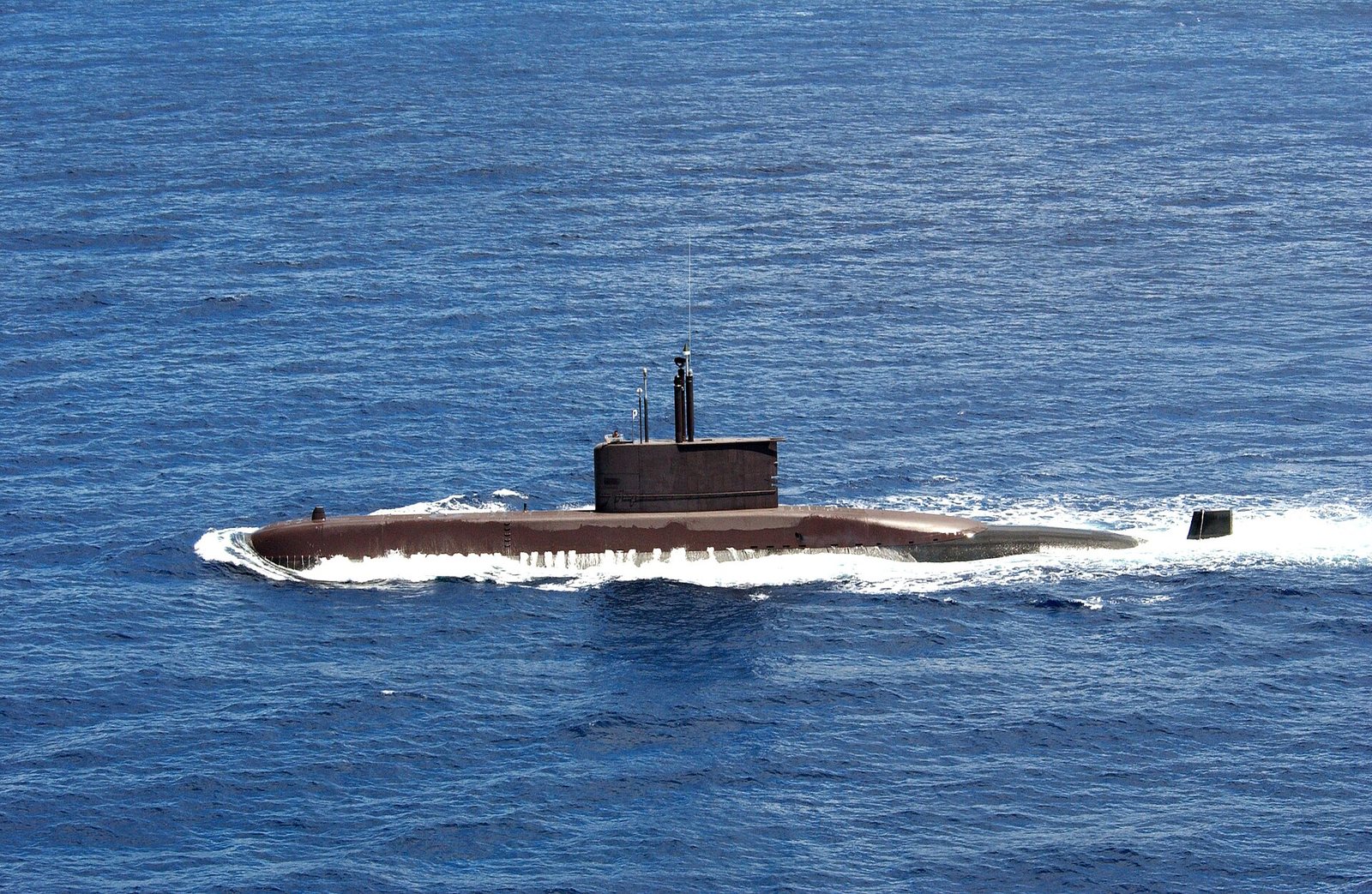
The Defense Acquisition Program Administration (DAPA) approved the basic strategy for the Jangbogo N nuclear-powered submarine program on Nov. 6, 2026, at the 179th Defense Acquisition Program Promotion Committee meeting, according to News1. The program aims to acquire nuclear-powered submarines through domestic research and development, with the government planning to begin the program in 2027, launch the lead submarine in the mid-2030s, and field the class in the late 2030s.
DAPA said the program is expected to strengthen deterrence against North Korean nuclear and missile threats and contribute to an underwater kill chain. Maeil Business Newspaper reported that the Jangbogo N program received an exemption from the standard business feasibility study, which typically takes one to two years, but will undergo a separate in-depth review process. Submarine design and construction will be pursued through competitive bidding among domestic shipbuilders.
The approval signals a major commitment to advanced naval capabilities. In a related development, U.S. military commanders indicated openness to cooperation on nuclear-powered submarines if a policy decision is made, according to National Assembly Defense Committee chair Jin Sung-joon, as reported by Hankook Ilbo. This could open avenues for technology transfer or collaboration, though no specific agreements were announced.
Naval AI and regional cooperation
Busan Metropolitan City, the Republic of Korea Navy, and DAPA signed a memorandum of understanding on Nov. 6 to cooperate on artificial intelligence transformation for maritime and naval-vessel programs, according to Busan Metropolitan City. The agreement establishes a framework for AI in maritime and naval-vessel programs, with Busan building maritime AI infrastructure including a data center, the Navy and Marine Corps reviewing operating concepts, and DAPA supporting AI research and development.
The Navy opened the Navy-Marine AX hub at the Busan IT Industry Promotion Agency in Haeundae-gu on Nov. 6, with Navy Chief of Staff Kim Kyung-ryul presiding, Newsis reported. The Ministry of National Defense had announced in June a plan to invest a total of $14 million (19 billion won) in the hub. This initiative reflects a broader push to integrate AI into defense systems and leverage regional industrial ecosystems.
Internationally, HD Hyundai Heavy Industries began construction of the first follow-on Miguel Malvar-class frigate for the Philippine Navy with a steel-cutting ceremony on Nov. 4, DefenseToday reported. The contract for two second-batch frigates is valued at 844.7 billion won ($622 million), according to HD Hyundai Heavy Industries' disclosure. The use of a common design is expected to improve fleet standardization and simplify maintenance, the company told Janes.
Space industry momentum
Hanwha Group is accelerating its space business after securing production bases for launch vehicles and satellites. Hanwha Aerospace completed a space-launch-vehicle manufacturing center of about 18,000 pyeong at the Yulchon Industrial Complex in Suncheon on Nov. 4, Sisa Journal-e reported. The site will assemble and verify the 75-ton-class engine and the first, second, and third stages of Nuri No. 6, planned for launch next year, according to NewsPim.
Hanwha Systems completed the Jeju Space Center, which is pursuing production of up to 100 satellites per year, according to Sisa Journal-e. The linkage between the Suncheon launch-vehicle plant and the Jeju satellite hub creates an integrated production capability that could enhance South Korea's competitiveness in the global space market.
In the meteorological satellite sector, the Korea Meteorological Administration expects the 2031 launch target for the Cheollian 5 weather satellite to remain viable if a delayed core technology-transfer contract between the Korea Aerospace Research Institute and lead developer LIG D&A is signed by early next year, DongA Science reported. Cheollian 5 will be the first privately led geostationary meteorological satellite program in South Korea, with LIG D&A as the lead R&D organization.
Defense industry and export developments
DAPA approved a package of domestic weapons and naval programs totaling about $2.83 billion (3.81 trillion won), including the KTSSM-I Block-II tactical missile, a mine-warfare unmanned surface vessel, and a harbor patrol boat, according to Newspim. The KTSSM-I Block-II will have a range more than 30 percent greater than the existing Ure missile, targeting enemy long-range artillery tunnels.
In the helicopter sector, DAPA selected Lockheed Martin Sikorsky's S-92A+ as the country's next command helicopter, with Korea Aviation Engineering & Maintenance Service participating in final assembly and Korean Air pursuing landing-gear maintenance technology transfer, Korea Economic Daily reported. The program will invest $649 million (873 billion won) to replace current command helicopters from 2031.
These developments collectively underscore South Korea's multi-pronged strategy: advancing indigenous high-tech capabilities, fostering regional defense industrial cooperation, and expanding into commercial space. The week's events reflect a defense sector increasingly focused on AI, unmanned systems, and strategic deterrence, while leveraging private sector innovation and international partnerships.
This week on Seoulz
- Chungnam Techno Park links local UGV, drone and AI firms with Hanwha Aerospace, LIG D&A and Hyundai Rotem
- Kangwon National University Hosts Defense AI and Drone Conference in Chuncheon
- KMA says Cheollian 5 weather satellite on track for 2031 launch despite KARI tech-transfer delay
- Hanwha links Suncheon launch-vehicle plant with Jeju satellite hub to accelerate space business
- US Commanders Reaffirm OPCON Transfer Framework, Signal Openness on Nuclear Sub Cooperation
- HD Hyundai Heavy Industries Begins Construction of First Follow-on Miguel Malvar-class Frigate
- C&M to Use IPO Proceeds for Defense Drone Propulsion Modules and Robot Actuators
- Gyeongnam Investment Agency Hosts Aerospace Investor Tour in Jinju-Sacheon
- KIMS to Help Localize Drivetrain Parts for 30-Ton, 700-HP Armored Vehicles
- Busan, Navy and DAPA sign naval AI transformation pact