KMA says Cheollian 5 weather satellite on track for 2031 launch despite KARI tech-transfer delay
The first privately led geostationary meteorological satellite program in South Korea is expected to proceed if a delayed technology-transfer contract is signed by early next year.
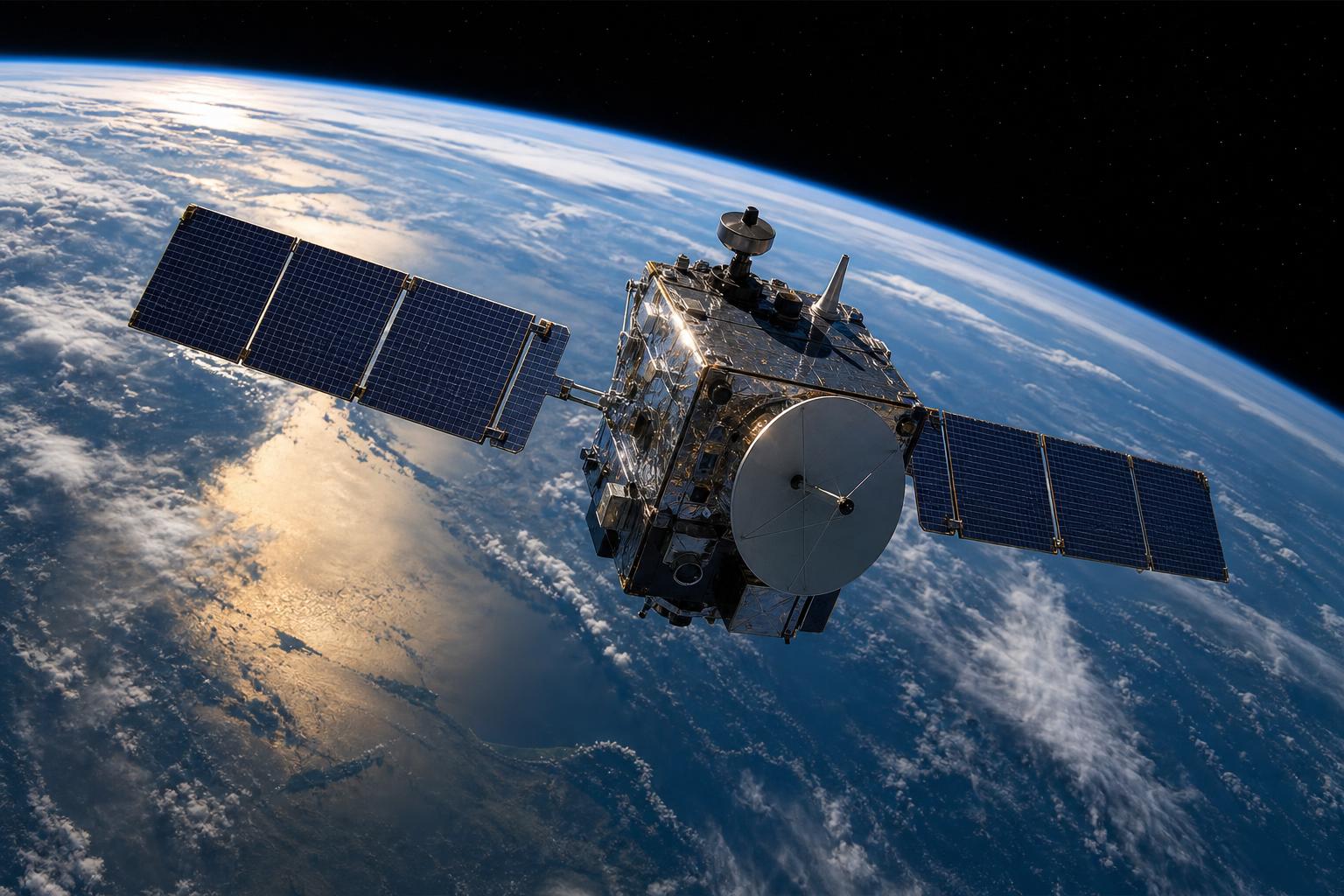
The Korea Meteorological Administration (KMA) expects the 2031 launch target for the Cheollian 5 weather satellite to remain viable if a delayed core technology-transfer contract between the Korea Aerospace Research Institute (KARI) and lead developer LIG D&A is signed by early next year, DongA Science reported on Nov. 8.
Kim Do-hyung, director of KMA’s National Meteorological Satellite Center, gave the update during the 2026 second-half on-site weather-policy briefing for journalists held at the center in Jincheon on Nov. 6, according to DongA Science.
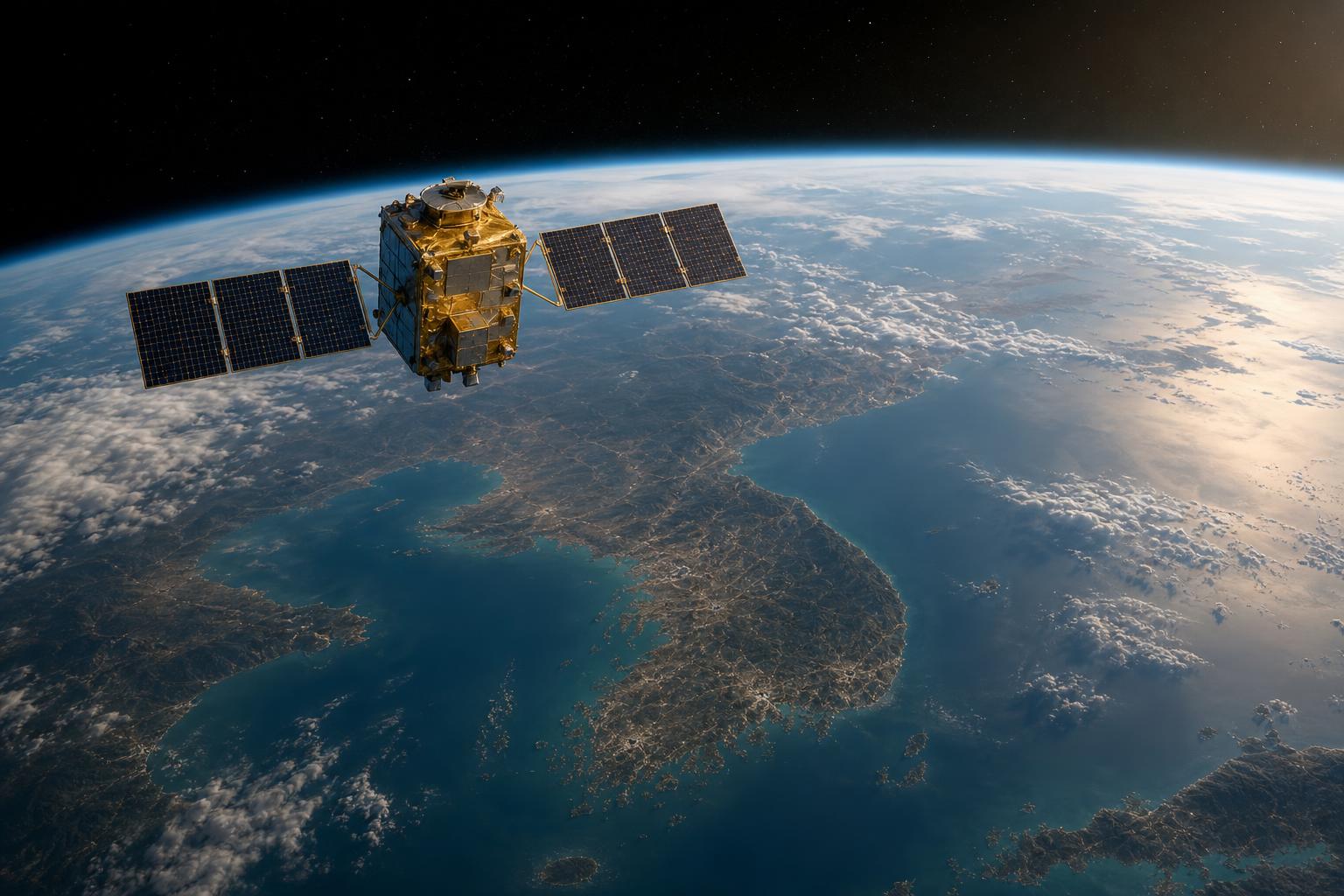
Cheollian 5 will be South Korea’s third meteorological satellite after Cheollian 1 and Cheollian 2A. The lead ministries are KMA and the Korea AeroSpace Administration, and the lead R&D organization is LIG D&A, DongA Science reported.
Kim said Cheollian 5 is the first case in which a private company develops a geostationary satellite in South Korea and the first case in which the user ministry serves as the lead development ministry, according to DongA Science.
The satellite will increase observation channels from 16 on Cheollian 2A to 18, add three infrared channels, and improve the spatial resolution of key channels fourfold, DongA Science reported.
Price negotiations for the KARI–LIG D&A technology transfer are in the final stage, with participant consent and internal committee procedures still remaining. Kim said he hopes the contract will be completed this year, according to DongA Science.
LIG D&A plans to skip a prototype model and move directly to manufacturing the flight model, unlike the Cheollian 2A development approach, DongA Science reported.
The launch vehicle for Cheollian 5 is scheduled to be selected next year, with Arianespace’s Ariane 6 and SpaceX’s Falcon 9 mentioned as candidates, according to DongA Science.
AsiaToday reported on Nov. 8 that Cheollian 5 targets a second-quarter 2031 launch, began development in April 2025, has a dedicated satellite-development team, and carries a project budget of $491 million (666.8 billion won).
LIG D&A is responsible for Cheollian 5’s system, bus and meteorological payload, while KAIST is developing the space-weather payload, AsiaToday reported.
Cheollian 5’s maximum visible-image resolution will improve from 500m to 250m, some infrared-image resolution will improve from 2km to 1km, and the wildfire-monitoring 3.9μm channel will improve from 2km to 1km, according to AsiaToday.
The National Meteorological Satellite Center’s official Cheollian 5 page says the satellite’s roles include 24-hour, 2-minute-cycle hazardous-weather observation and local weather prediction, specialized space-weather monitoring over the Korean Peninsula and the Cheollian orbit, and weather support for military operations and predicting North Korean missile launch timing.