Week in review: Hanwha deepens US push as Seoul races to secure defense AI and cyber
Hanwha's U.S. investments and shipyard moves, a government-wide cyber asset push, and new AI and engine programs dominated the week in Korean defense and aerospace.
South Korea's defense and aerospace sector this week showed two faces: a deepening industrial push into the U.S. market led by Hanwha, and a government scramble to harden networks and set rules for military AI as threats evolve. The developments, reported across Seoulz's coverage, connect through a common thread—South Korea is trying to turn its defense technology base into both an export engine and a more resilient, AI-ready force.
Hanwha's American expansion accelerates
The Hanwha defense trio—Hanwha Aerospace, Hanwha Ocean and Hanwha Systems—have invested or decided to invest a combined $1.13 billion (1.51 trillion won) in U.S. entities this year, Hankyung Business reported. The total could grow with additional year-end contributions, EBN reported.
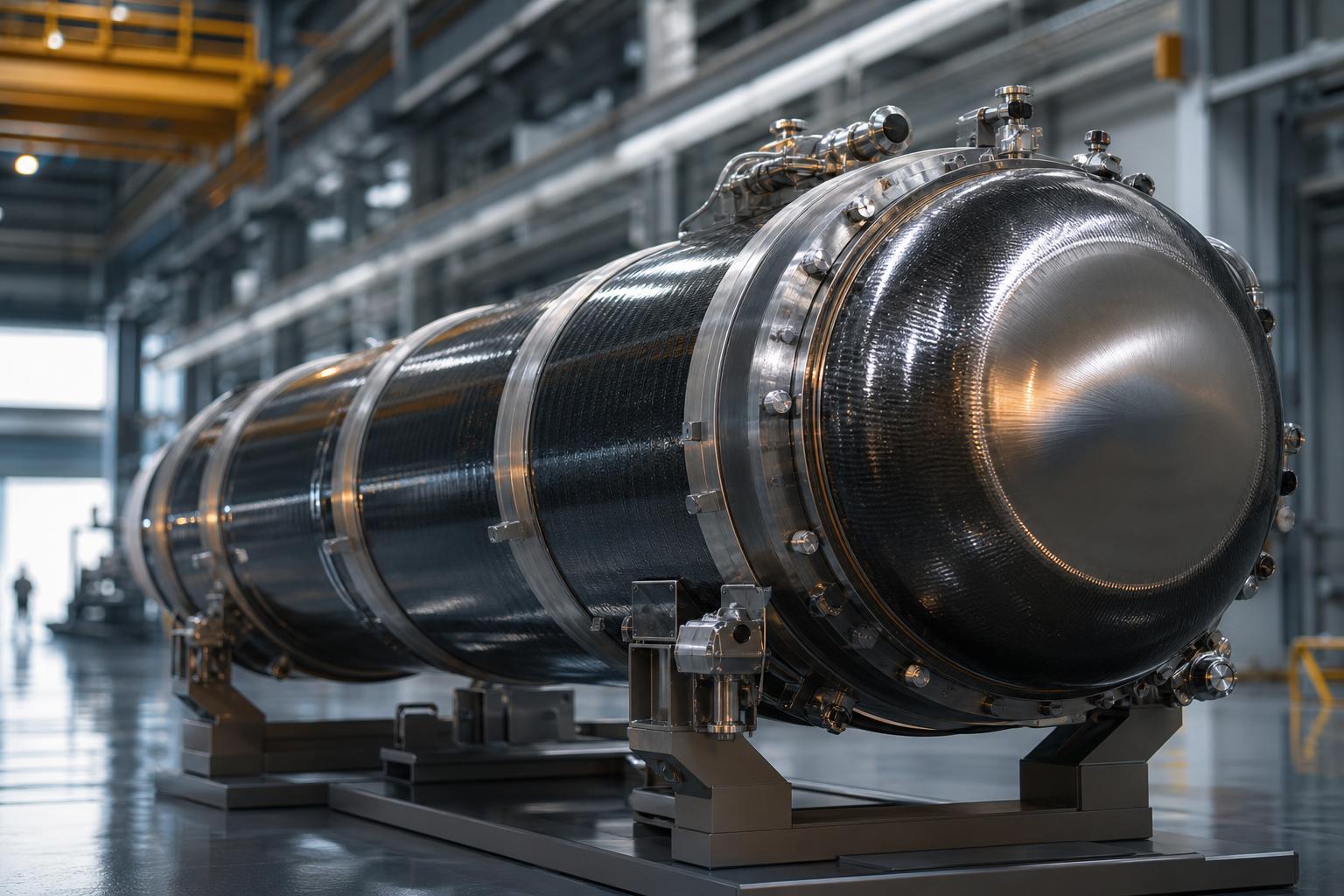
The moves are not just financial. Hanwha Defense USA acquired Hanwha Cimarron LLC from Hanwha Solutions for $44.1 million (59 billion won), gaining ultra-high-pressure composite tank technology for space launch vehicles and a production base in Alabama, Edaily reported. Hanwha Ocean delivered two very large crude carriers certified under the International Association of Classification Societies UR E26 cyber-resilience rules, a first in South Korea, Financial News reported.
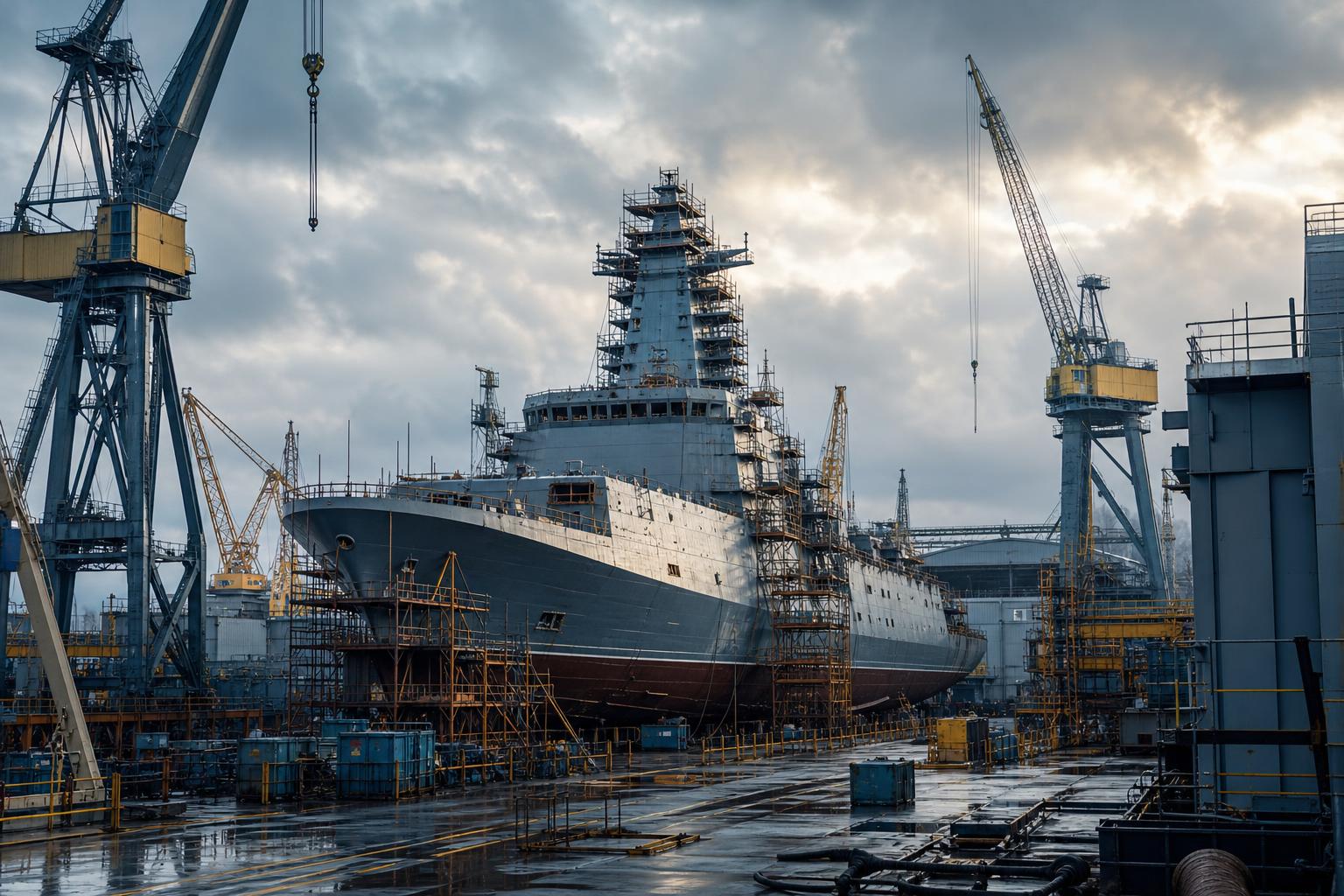
The U.S. push extends to shipbuilding. Hanwha Aerospace's September contribution of $126 million (168.4 billion won) to Hanwha Defense USA would be used to acquire Hanwha Systems' 60% stake in Philly Shipyard, Hankyung Business reported. The investments position Hanwha to compete for U.S. Navy and commercial shipbuilding work while building a local industrial footprint.
Seoul orders cyber asset census as AI threats grow
South Korea's National Security Office said Nov. 15 it will accelerate a government-wide effort to track IT assets across civilian, public and defense networks, citing AI-enabled attacks and mismatches between documented configurations and actual assets. The announcement followed a joint public-private-military cyber response meeting chaired by Song Ki-ho, third deputy director of the National Security Office, SBS News reported.
The push comes as suspected North Korean hackers targeted 30 servers and domains in South Korea through PHP2Shell vulnerabilities, according to CYFIRMA. The firm assessed with high confidence that a Korean-speaking operator was a North Korean state-nexus actor and with moderate confidence that the actor was affiliated with the Lazarus Group ecosystem, the Korea JoongAng Daily reported.
The National Security Office has been working since August with the Ministry of Science and ICT, the National Intelligence Service and the Ministry of National Defense to require a management system that can fully identify hardware and software information assets, The Hankook Ilbo reported. The office said mismatches between documented configurations and actual assets had made rapid responses difficult when new vulnerabilities were found.
AI governance and engine programs take shape
South Korea and the United Nations Office for Disarmament Affairs used the 25th ROK-UN Conference on Disarmament and Nonproliferation to push for common principles on responsible military use of AI, the Ministry of Foreign Affairs said. Vice Minister Jeong Yeon-doo called for close communication among international stakeholders to build common principles for responsible AI use in the military domain.
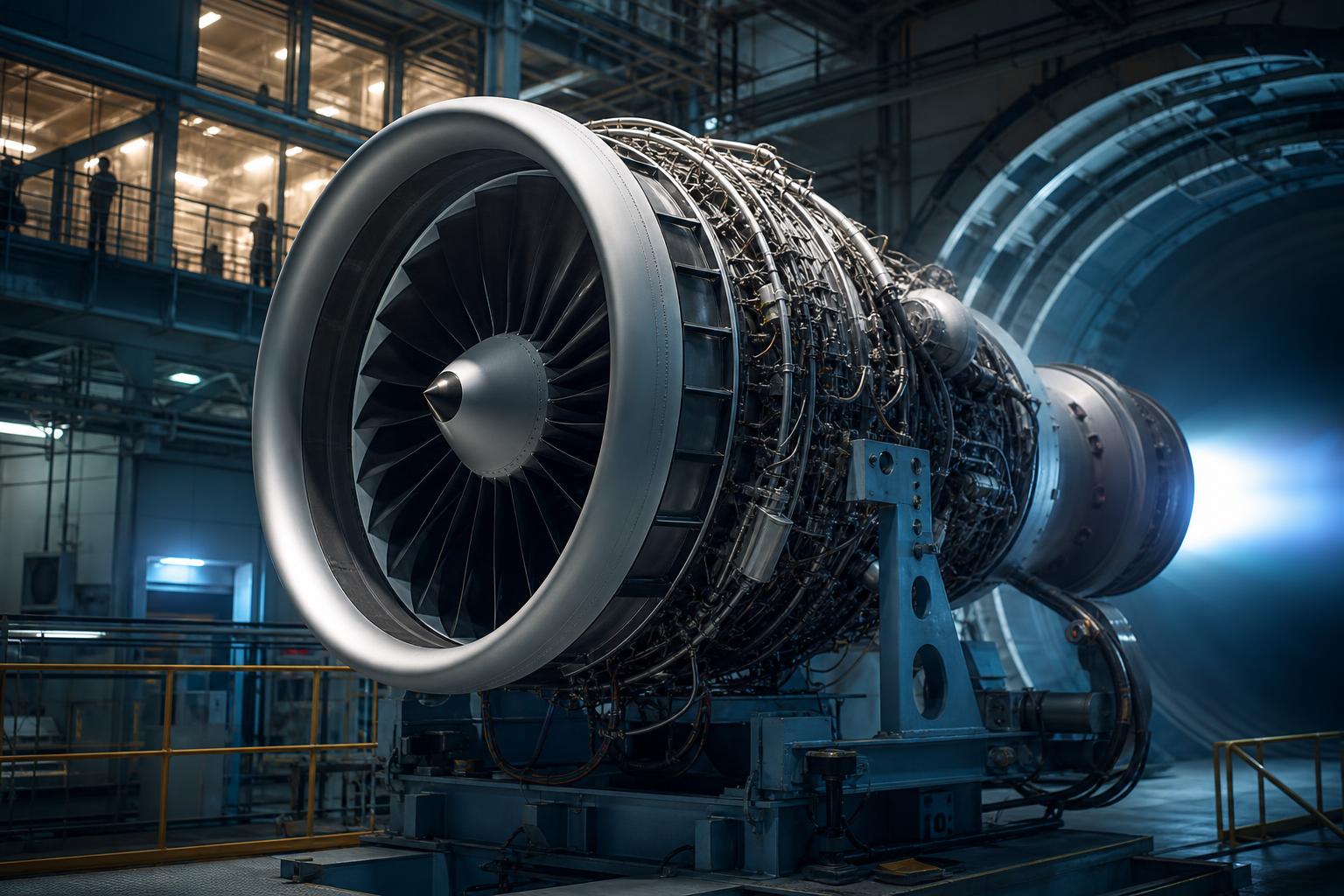
Domestically, Hanwha Aerospace was selected as the preferred negotiating bidder for a 10,000-pound-class high-bypass turbofan engine development task led by the Agency for Defense Development. The $133 million (177.3 billion won) project targets a low-observable reconnaissance UAV engine and runs through October 2031, Newsway reported. Hanwha Aerospace plans to use core-engine technology from the 5,500-pound turbofan engine it is developing with ADD, SPN Seoul Pyongyang News reported.
The week's developments show a sector moving on multiple fronts: industrial consolidation in the U.S., cyber hardening at home, and new propulsion and AI programs aimed at keeping South Korea's defense technology competitive. The common thread is a push to turn technological capability into strategic resilience—both for exports and for the networks and weapons that will define the next decade of Korean defense.
This week on Seoulz
- South Korea orders government-wide cyber asset-management push as AI-enabled attacks rise
- North Korean Hackers Targeted 30 South Korean Servers in PHP2Shell Campaign
- Hanwha Defense Trio Commits $1.13 Billion to U.S. Units
- HD Hyundai, Anduril launch 600-ton ASV Alpha unmanned surface vessel in Ulsan
- Malaysia to receive all 18 KAI FA-50M jets by March 2028
- QRT reports 54.9% jump in year-to-date operating profit on aerospace, defense demand
- Korean startup UEL's 2 kg SCARAB micro-rover to fly on Blue Origin lunar lander in 2027
- Satrec Initiative approves 40.3 billion won investment to expand satellite production capacity
- MOTIE confirms DAPA request to review LIG D&A defense-contractor designation
- US Marine F-35Bs from Japan operated at Kunsan during allied drills