US Commanders Reaffirm OPCON Transfer Framework, Signal Openness on Nuclear Sub Cooperation
National Assembly Defense Committee chair Jin Sung-joon says U.S. officials confirmed no change to condition-based wartime operational control transfer and expressed willingness to cooperate on nuclear-powered submarines if a policy decision is made.
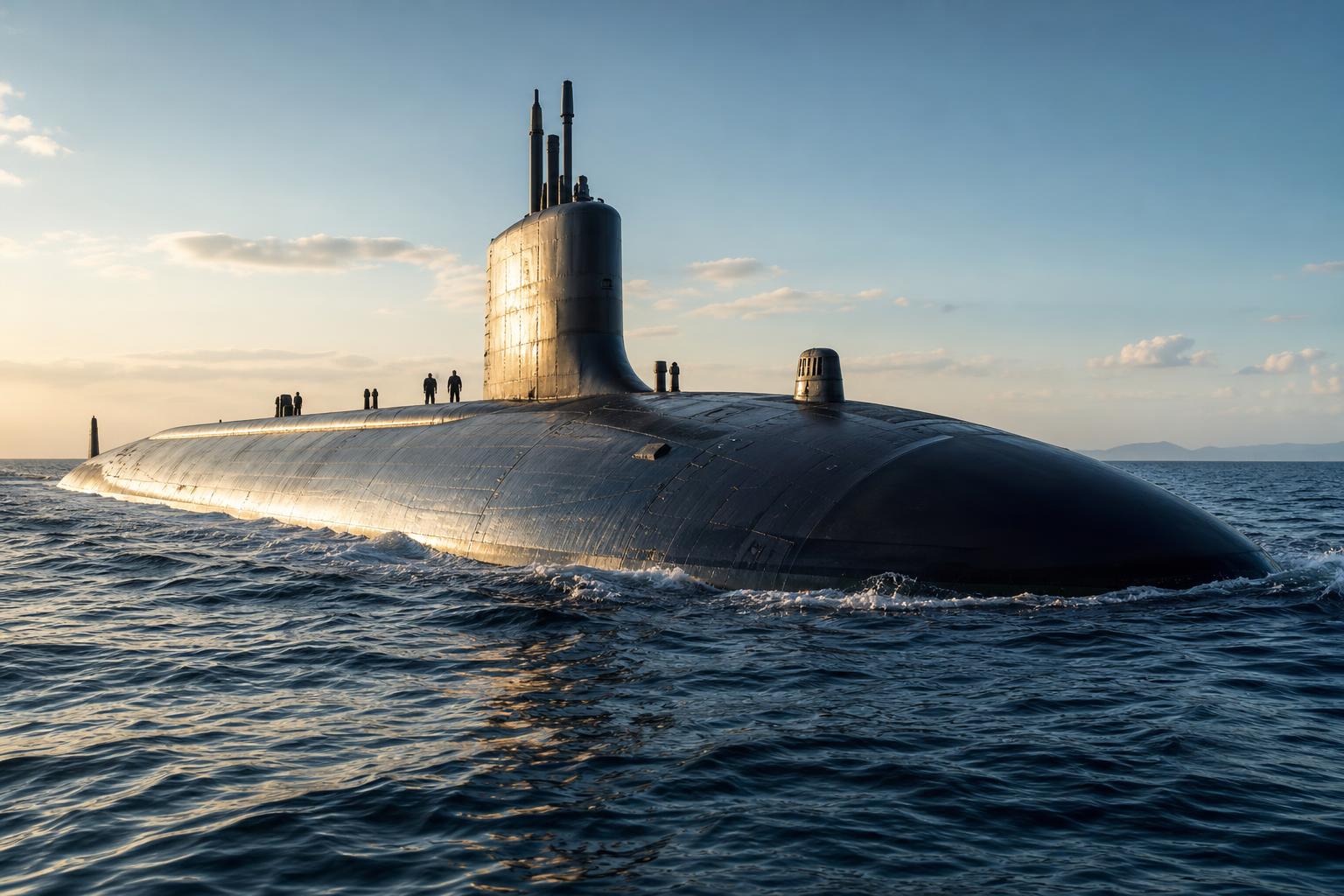
SEOUL — U.S. military commanders reaffirmed the existing South Korea-U.S. agreement on condition-based wartime operational control transfer and indicated openness to cooperation on nuclear-powered submarines, according to National Assembly Defense Committee chair Jin Sung-joon.
Jin briefed reporters after leading a Defense Committee delegation to U.S. military commands in Hawaii from Nov. 1 for four nights and five days, Hankook Ilbo reported.
Jin said the U.S. side confirmed there was no change to the existing agreement on condition-based wartime operational control transfer and no current change in the conditions, according to Hankook Ilbo. AsiaTime also reported that Jin said the U.S. side maintained the existing agreement and confirmed that conditions had not changed.
The U.S. side explained that the delay of the Security Consultative Meeting to early next year was unrelated to differences over OPCON transfer and was based on scheduling by the two countries’ defense ministers and military leadership, Hankook Ilbo reported.
On nuclear-powered submarines, Jin said Adm. Stephen Koehler stated that South Korea’s introduction of such submarines could contribute to alliance development and that the U.S. side would actively cooperate if a policy decision is made between South Korea and the United States, according to Hankook Ilbo. AsiaTime reported that U.S. military authorities were said to have expressed willingness to cooperate actively if the two countries make a policy decision.
Jin also said U.S. officials assessed the Korean Peninsula situation as stable despite North Korea’s destruction of inter-Korean connecting roads and fortification near the Military Demarcation Line, while emphasizing the need to maintain readiness because of North Korea’s nuclear and missile capabilities and potential policy changes, Hankook Ilbo reported.
Regarding the relocation of the Gwangju military airfield, Gen. Kevin Schneider said it is a sovereign decision for the South Korean government and that the U.S. military’s role is to review and advise on military threat factors related to relocation, according to Hankook Ilbo.