The second annual event brought together 40 Korean companies and government officials from 18 countries for one-on-one meetings and policy discussions.
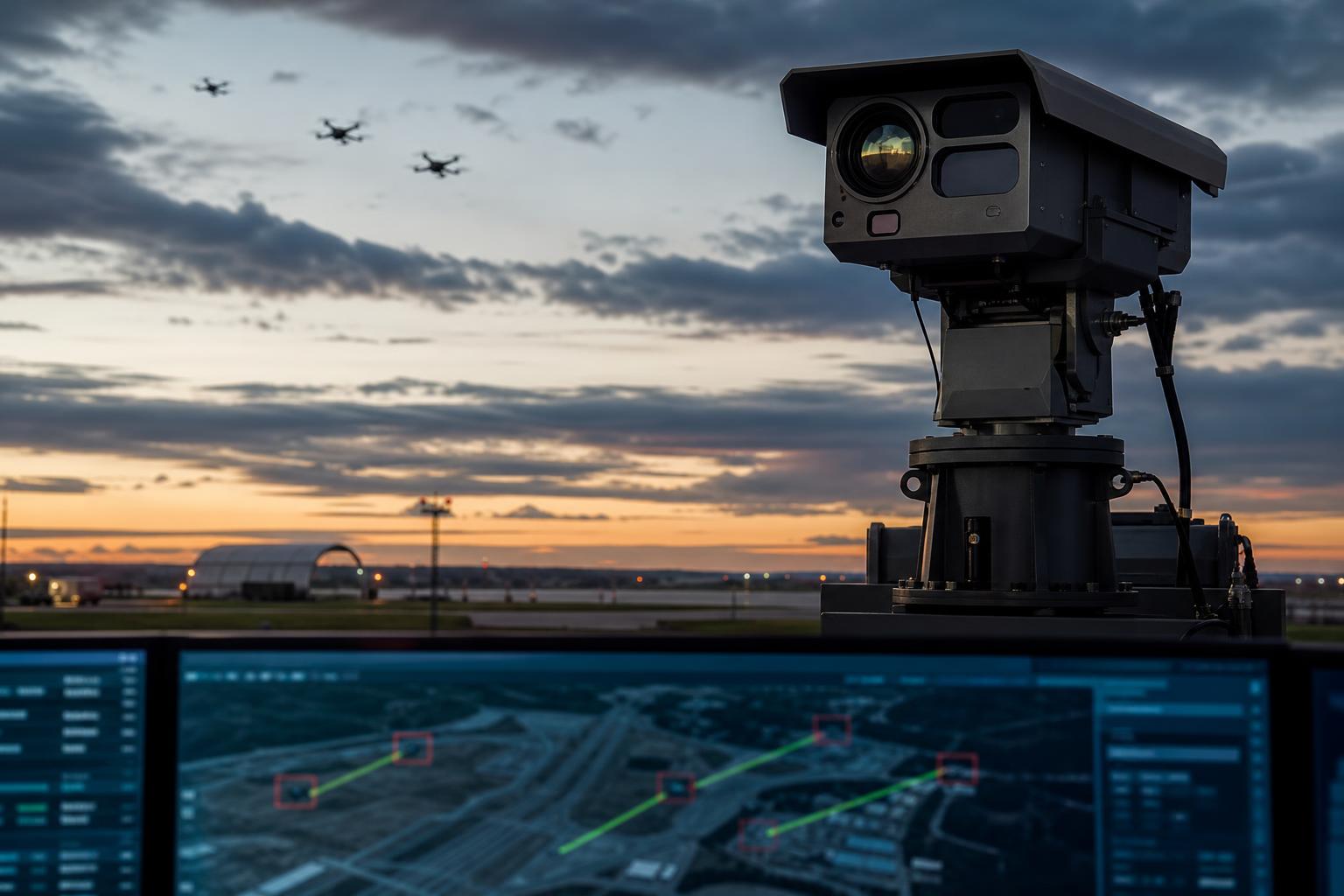
Global shipowners operating in the Middle East, Black Sea and Red Sea are asking whether counter-drone defense technology can be applied to newbuild LNG carriers, container ships and oil tankers.
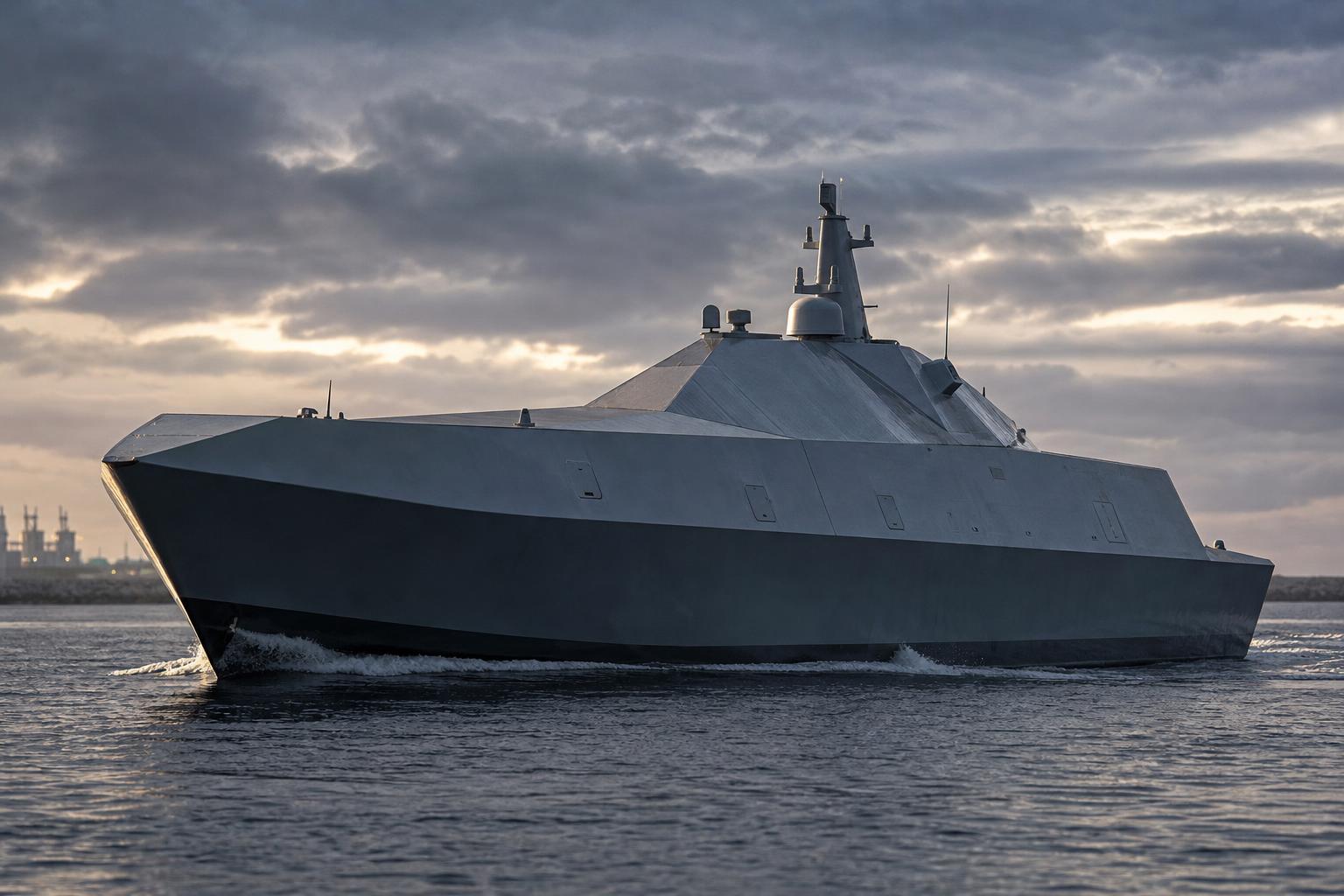
The prototype pairs HD Hyundai's naval design and vessel-autonomy stack with Anduril's Lattice mission-autonomy software, targeting the U.S. Navy's medium unmanned surface vessel market.
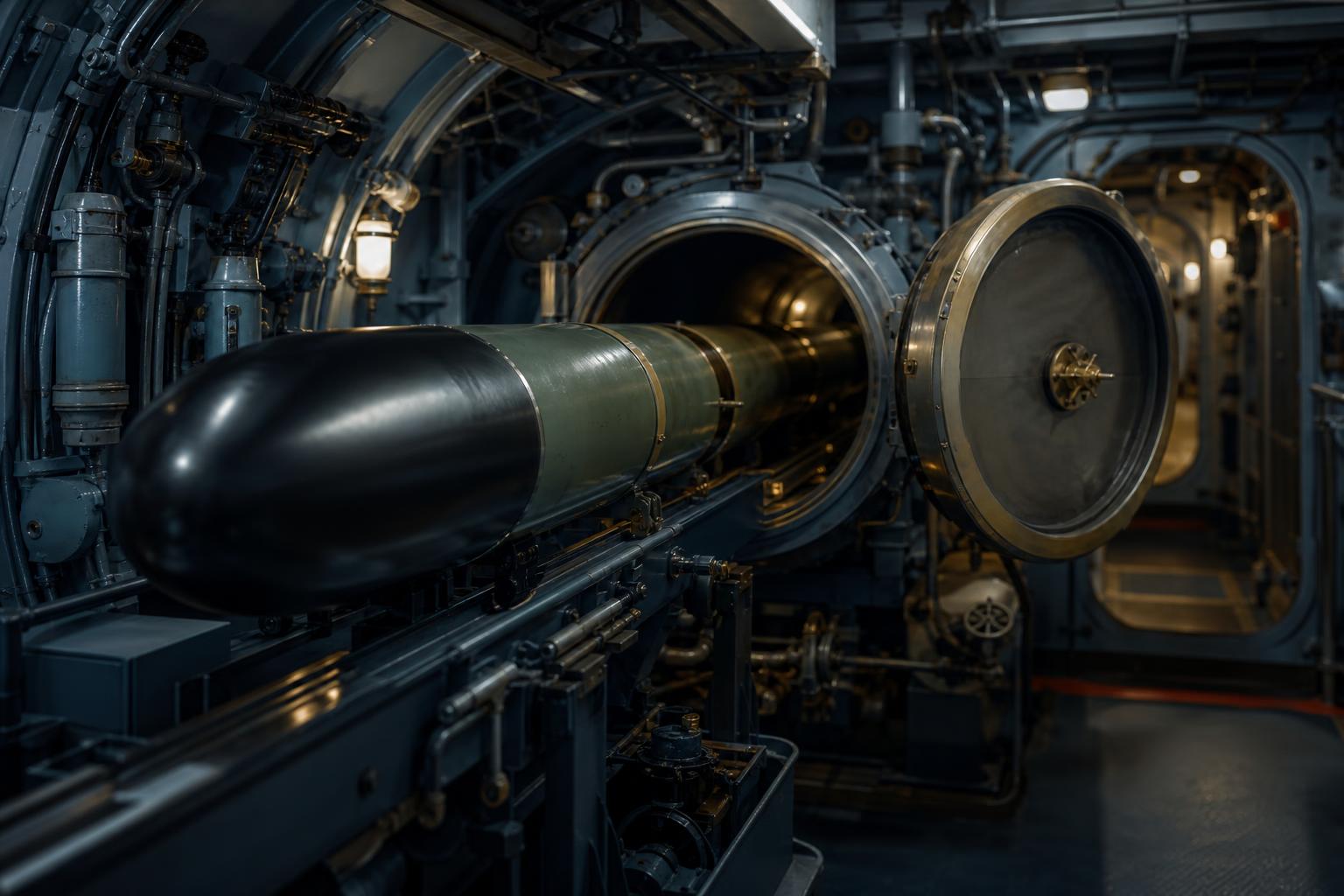
A small Korean company completed applied research on a compressed-air turbopump for submarine launch tubes but has not secured test-development funding, raising questions about technology transition.
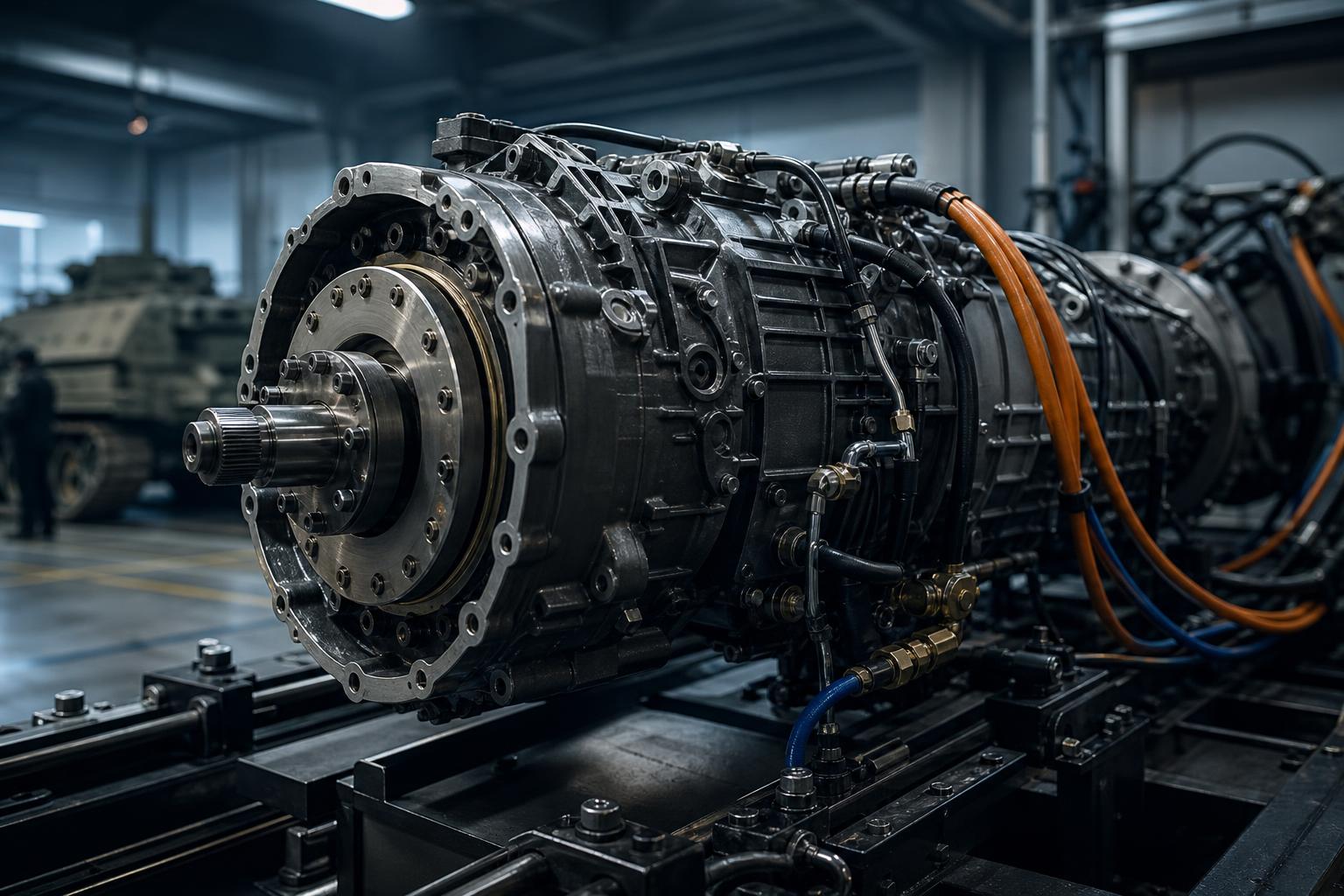
The research covers a 220 kW motor-based hybrid transmission for tracked vehicles and a 120 mm mortar support system designed to withstand firing impacts.
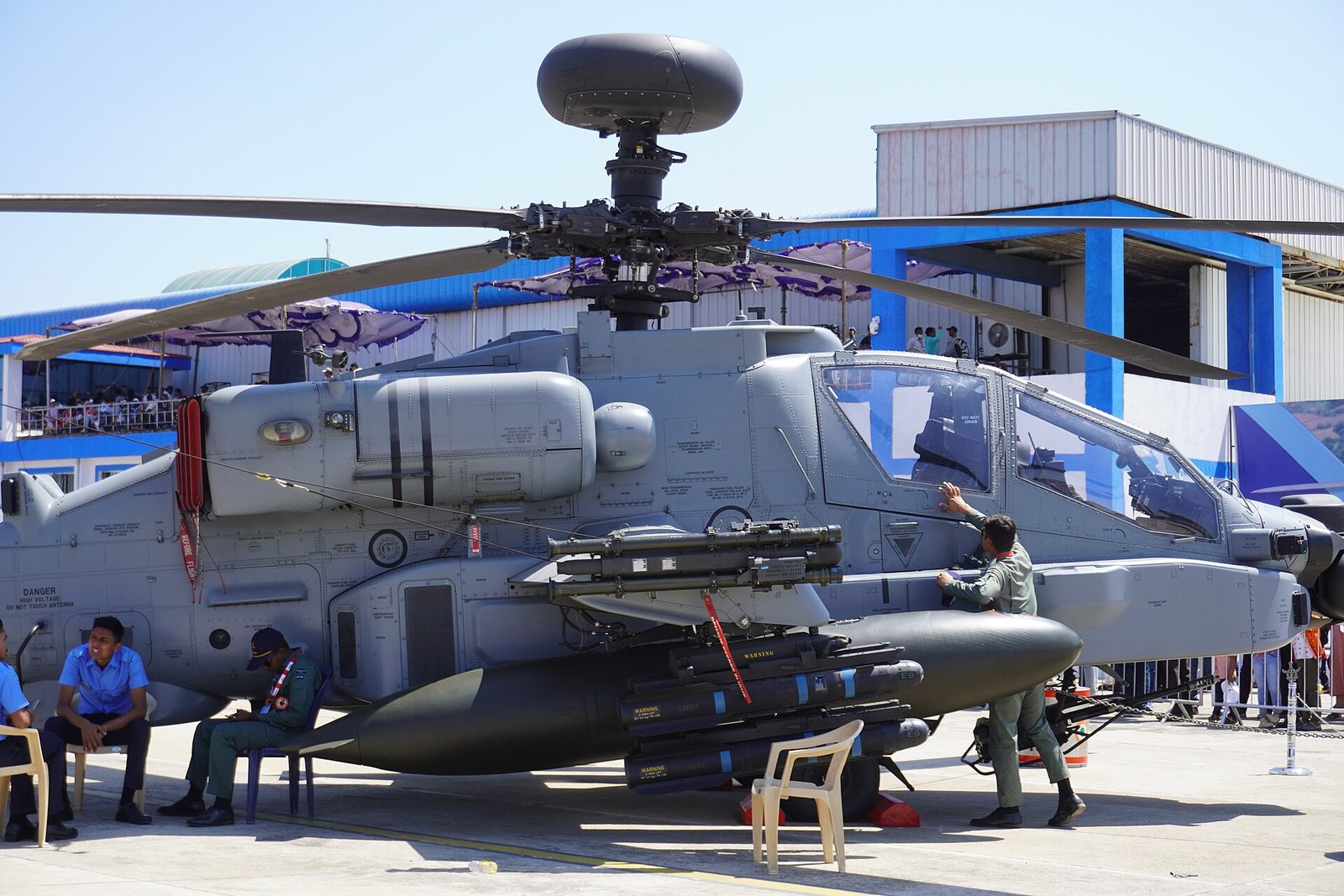
Flights have been halted since early October after a U.S. flight-safety notice, with Boeing technicians visiting this month and operations to resume sequentially based on inspection results.
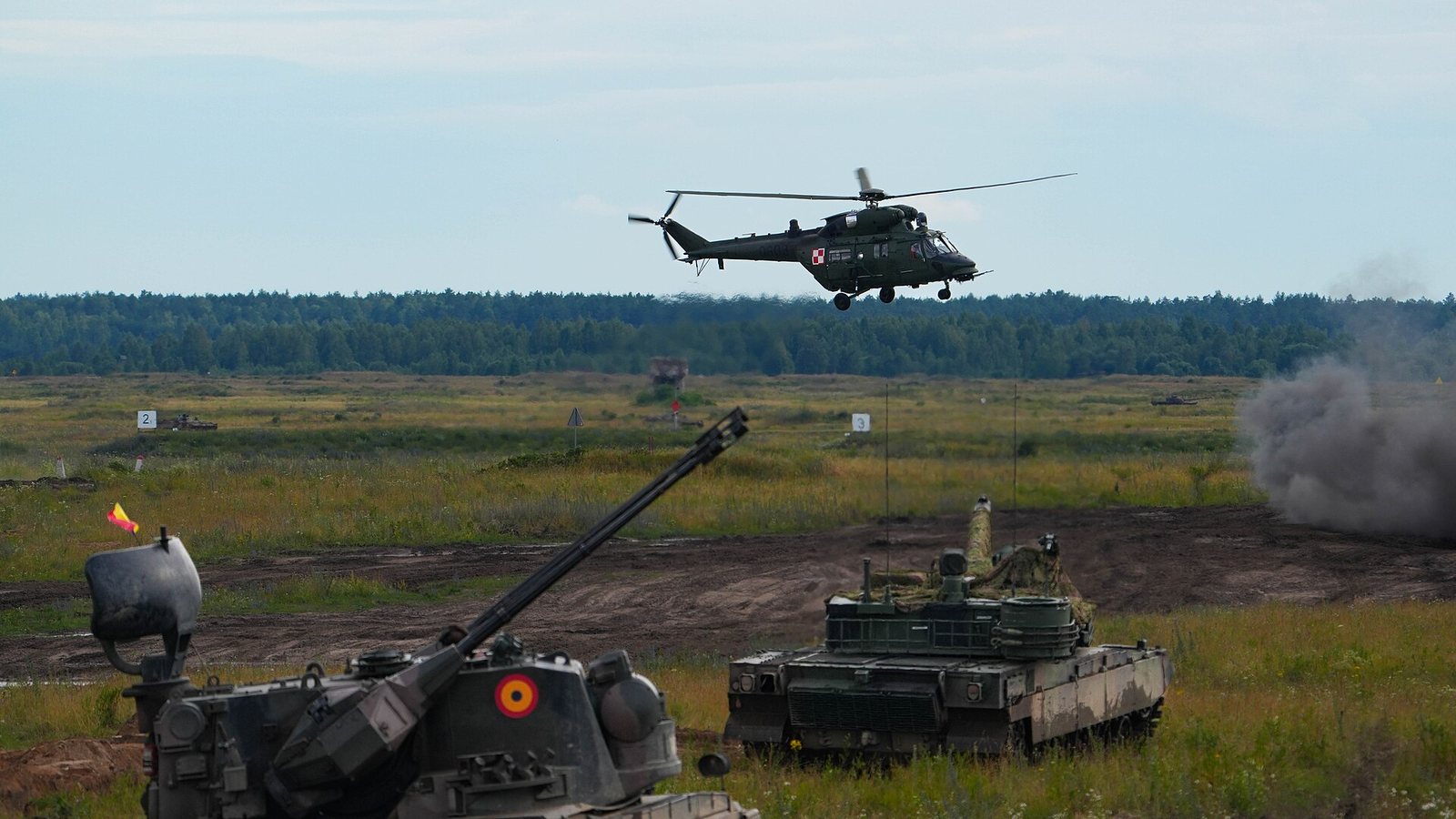
Around 30 of the South Korean-made tanks are reportedly in workshops, but Polish officials say the failure rate is normal and does not affect mission readiness.
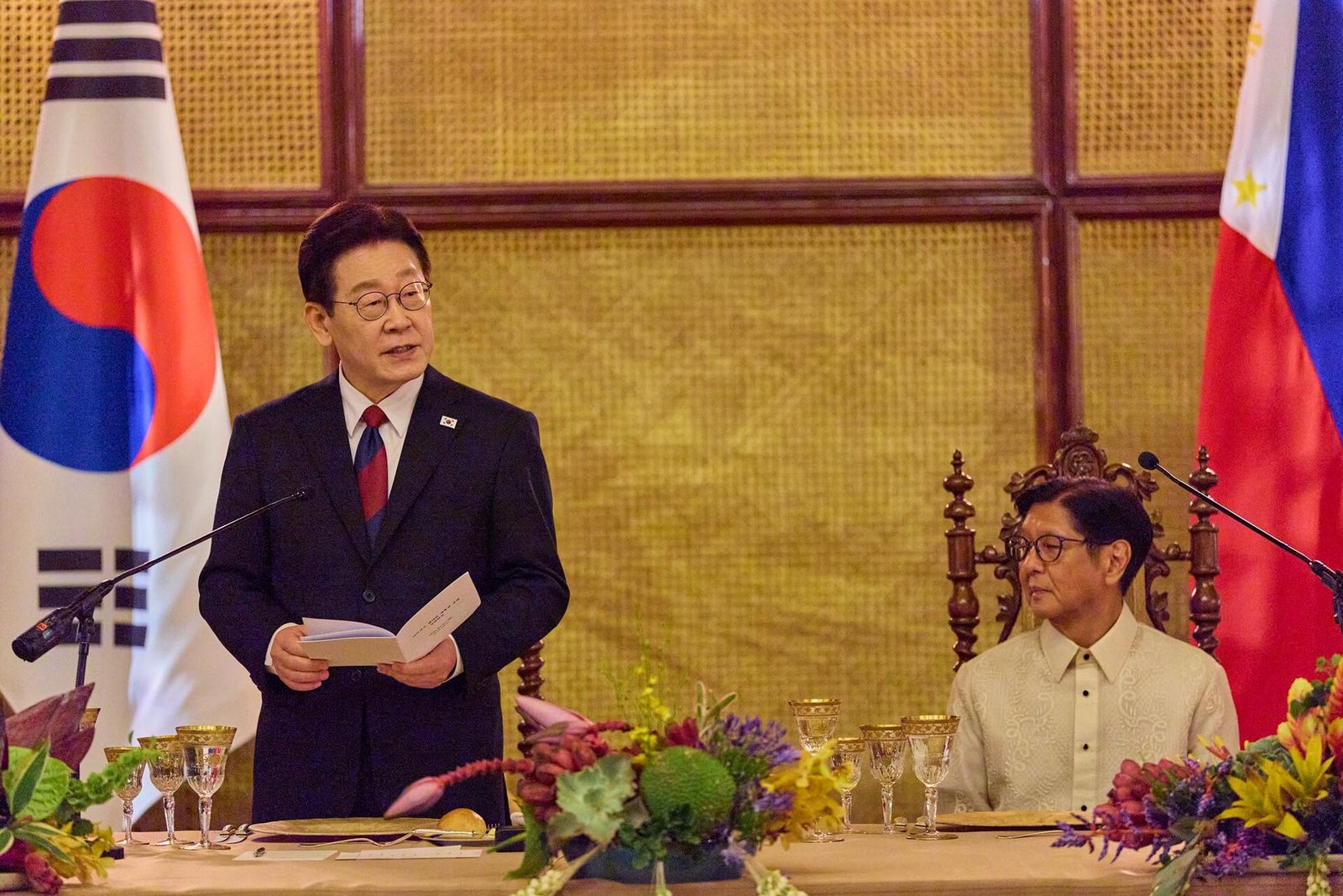
The non-binding pact covers sensitive technologies and critical infrastructure, while Seoul's nuclear submarine bills advance in the National Defense Committee.
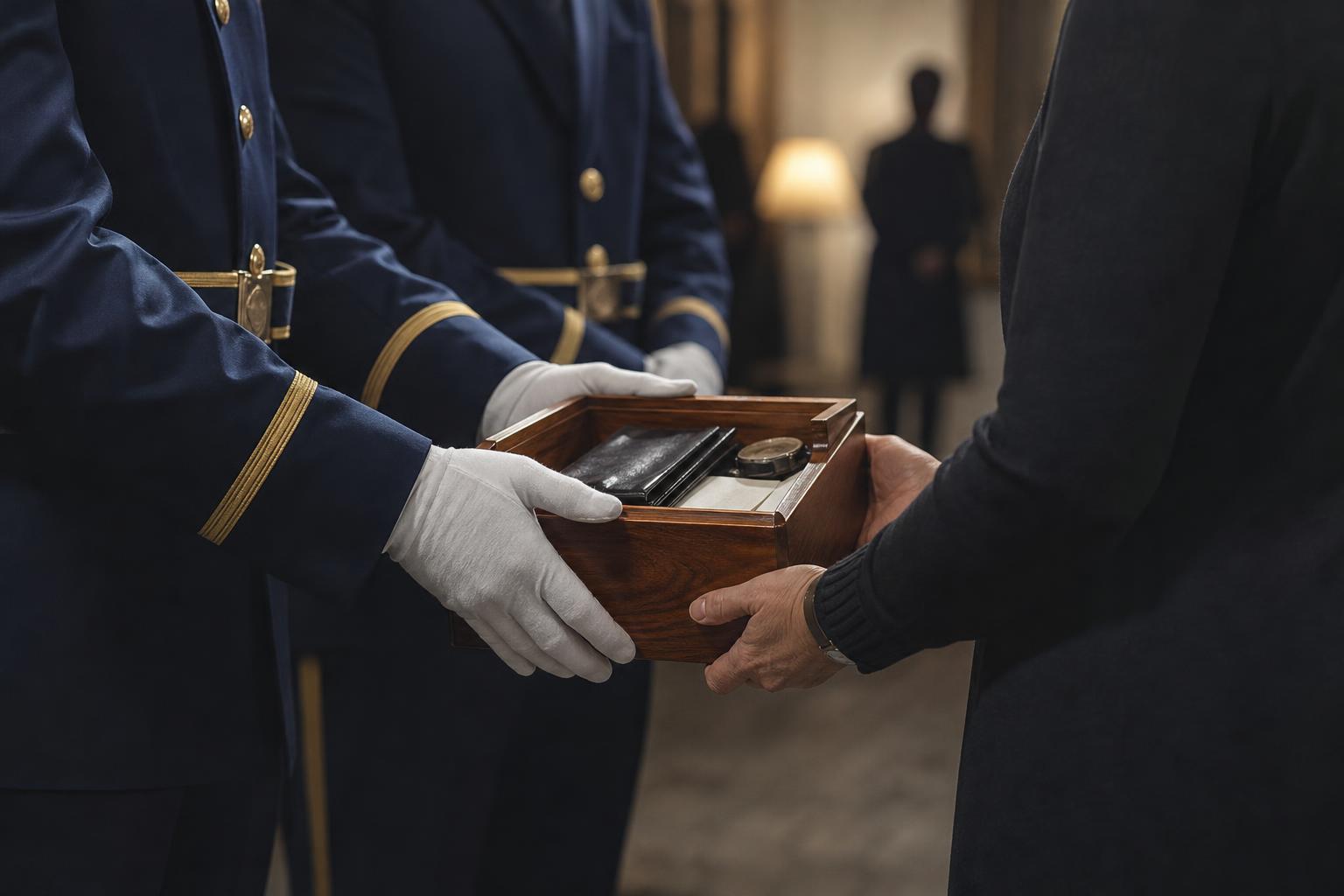
The Ministry of National Defense identified the remains of Pfc. Ahn Dong, who died in the Battle of Nojeonpyeong in 1951, and held a return ceremony in Iksan.
The National Security Office plans faster vulnerability sharing and wider adoption of software bills of materials across civilian, public and defense networks.
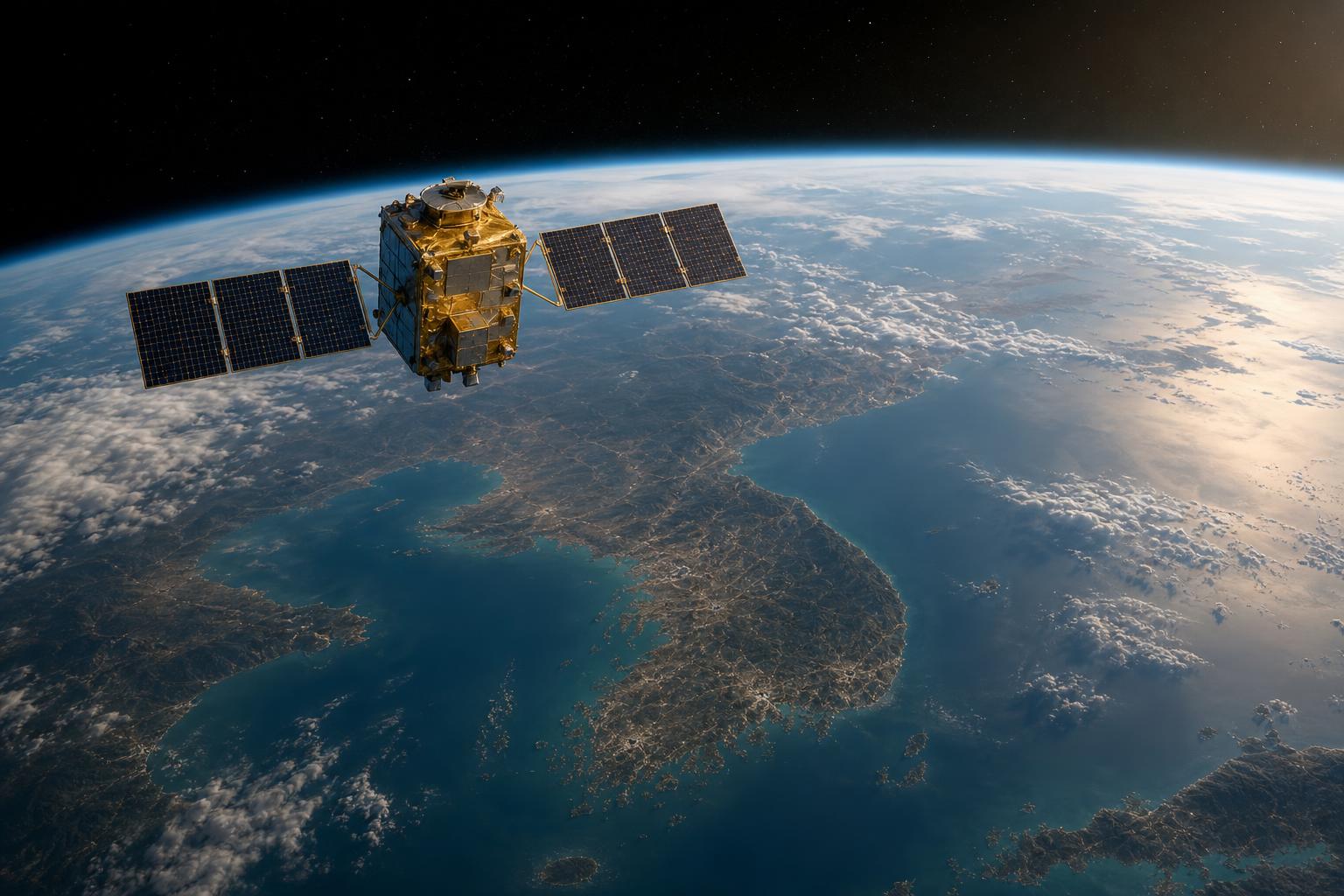
Provincial assembly member questions whether the 4.5 billion won climate satellite program secured substantive public rights and why an overseas deal went unreported.
The government confirmed Google removed coordinates for South Korean territory and will receive only security-processed imagery through a domestic partner.