Remains of Korean War soldier identified 26 years after excavation
Pfc. Jeong Chun-i, killed in the Battle of Gigye-Angang in 1950, was returned to his 77-year-old daughter in a ceremony in Gyeongsan, North Gyeongsang Province.
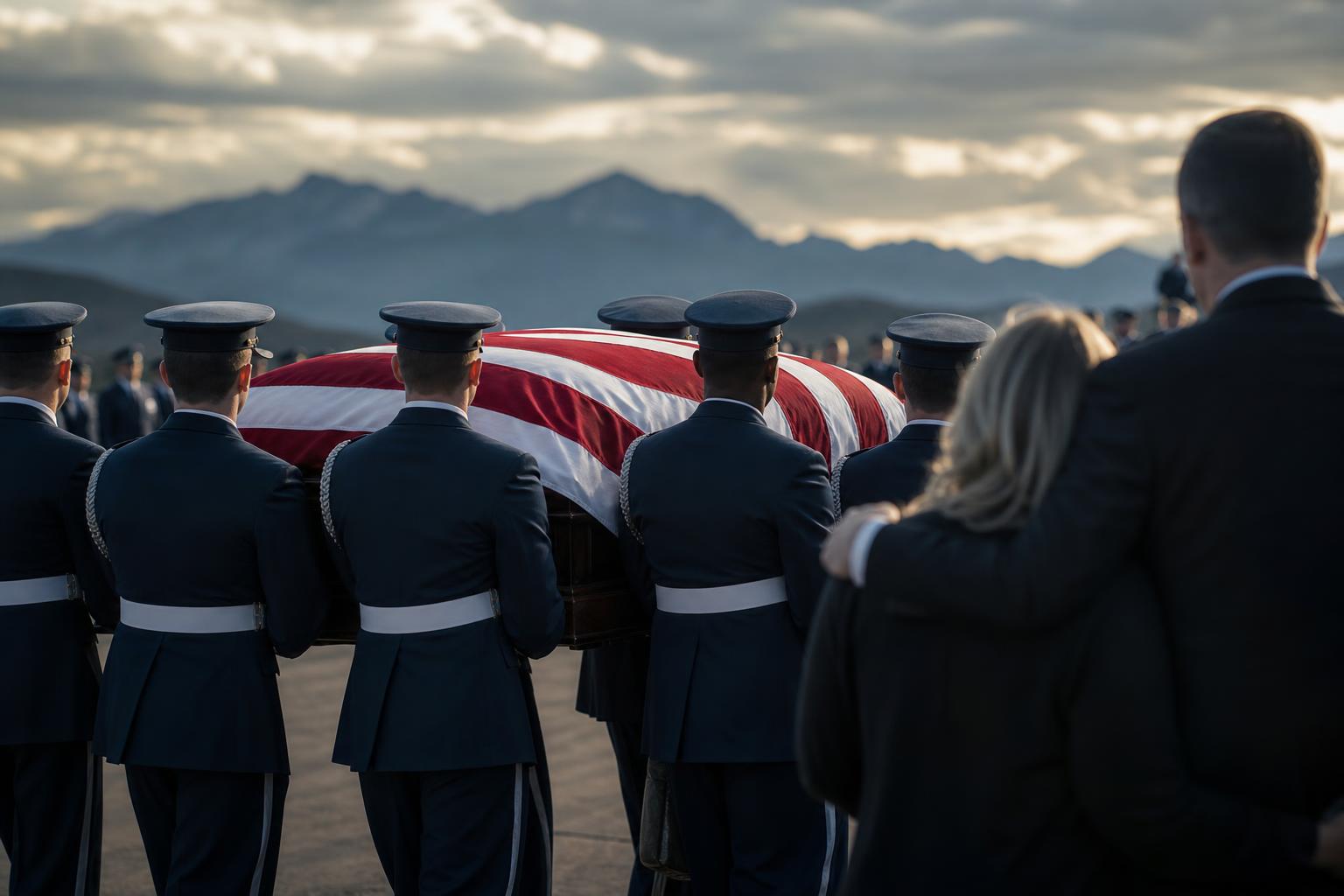
The remains of Pfc. Jeong Chun-i, a South Korean soldier killed during the Korean War, were returned to his family on Nov. 17, 26 years after they were first excavated, the Ministry of National Defense announced.
The ministry's Agency for KIA Recovery and Identification identified the remains, which were recovered in October 2000 in Yugok-ri, Gangdong-myeon, Gyeongju, North Gyeongsang Province, as belonging to Jeong, who served in the Army's 7th Infantry Division.
Jeong is the 16th fallen service member identified by the agency this year and the 284th to be returned to his family since the excavation project began in April 2000.
Born in June 1927 in Hapcheon, South Gyeongsang Province, Jeong enlisted in August 1950, leaving behind a daughter who had just turned one. He was killed on Sept. 22, 1950, during the Battle of Gigye-Angang, a defensive battle in which South Korean and U.N. forces held the Nakdong River perimeter against the North Korean 12th Division.
The return ceremony was held at the home of Jeong's daughter, Jeong Geum-ok, 77, in Gyeongsan, North Gyeongsang Province, at the family's request.
"My mother tried hard to find my father while she was alive. She told me to look for separated families in case he was living in North Korea," Jeong Geum-ok said, according to the ministry. "Finding my father's remains is the greatest achievement of my life. It was possible because the state stepped in. As a descendant, I will not forget this gratitude."
Jeong's wife, Lee Wi-seon, who raised their daughter alone while waiting for her husband for more than 50 years, died of illness in 2004.
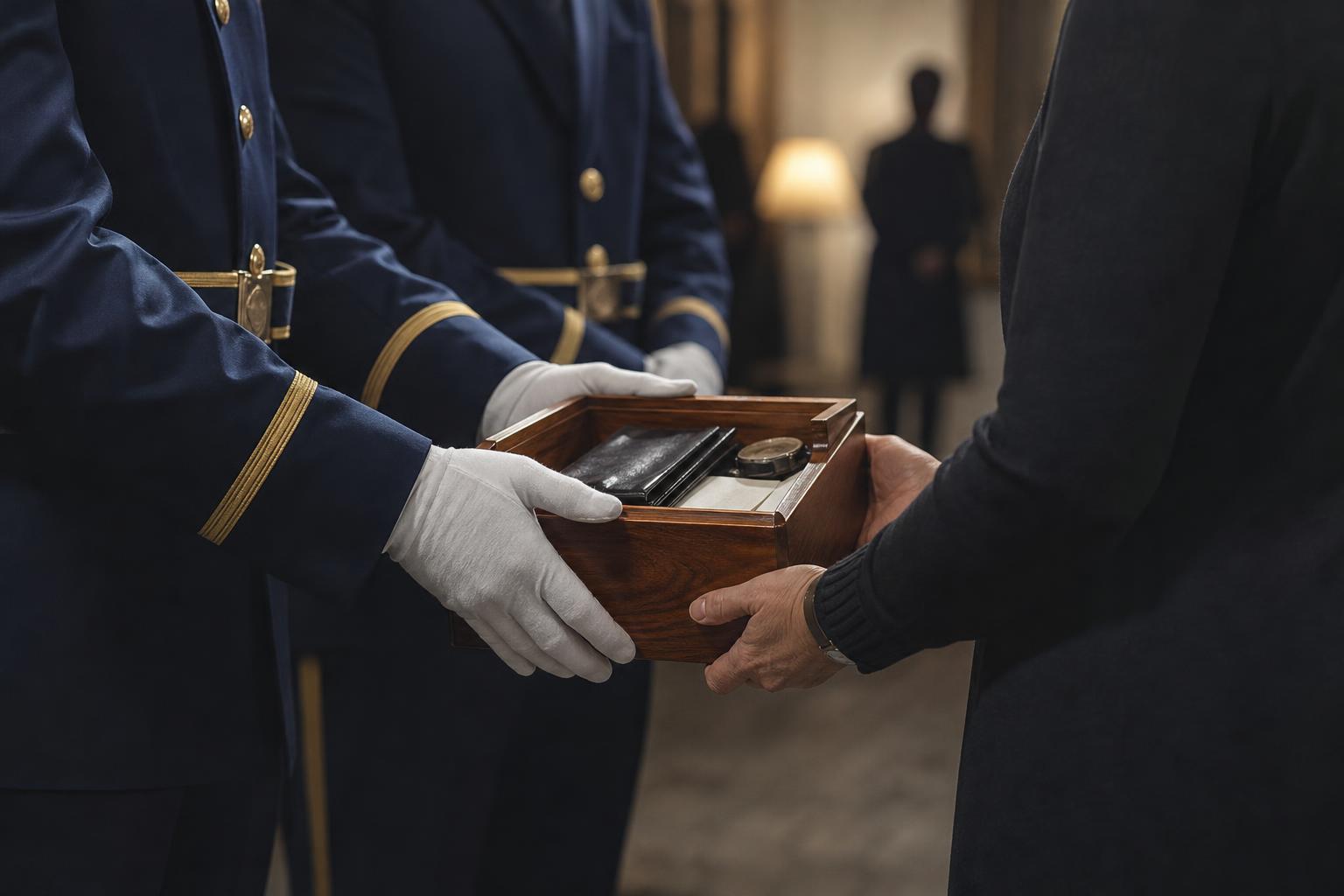
The agency presented the family with a return plaque, a notification of identification, and a box containing excavated personal effects. It also explained the soldier's participation route, the excavation process, and the identification procedure.
"We are very sorry that it took 26 years to return the remains excavated in 2000, the first year of the excavation project, to the family," said Jeon Byeong-hui, head of the agency. "We will do our best to carry out the excavation project with the determination to never give up on identifying even long-excavated remains."
The identification was made possible by field investigators who located the family and by DNA analysts who re-analyzed the remains using new genetic techniques. The family's DNA sample was obtained in 2024 when an investigator visited their residence. The remains were re-analyzed in 2004 and again in July of this year, confirming the father-daughter relationship.
The ministry urged the public to participate in the identification effort. Relatives of Korean War dead up to the eighth degree of kinship can provide DNA samples. If a soldier is identified through the provided DNA, a reward of $7,491 (10 million won) is paid. Those unable to visit in person can call 1577-5625 for assistance.