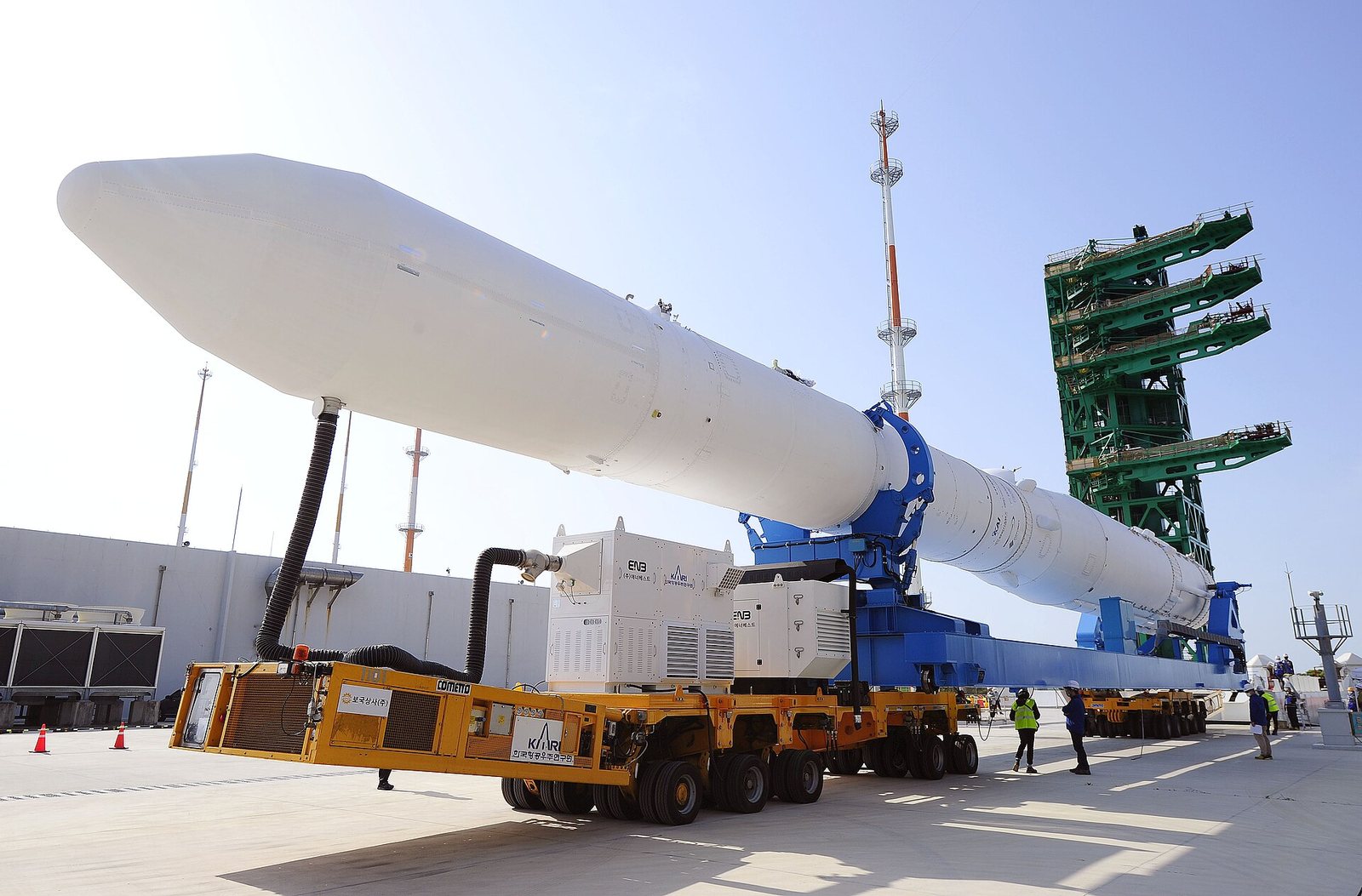
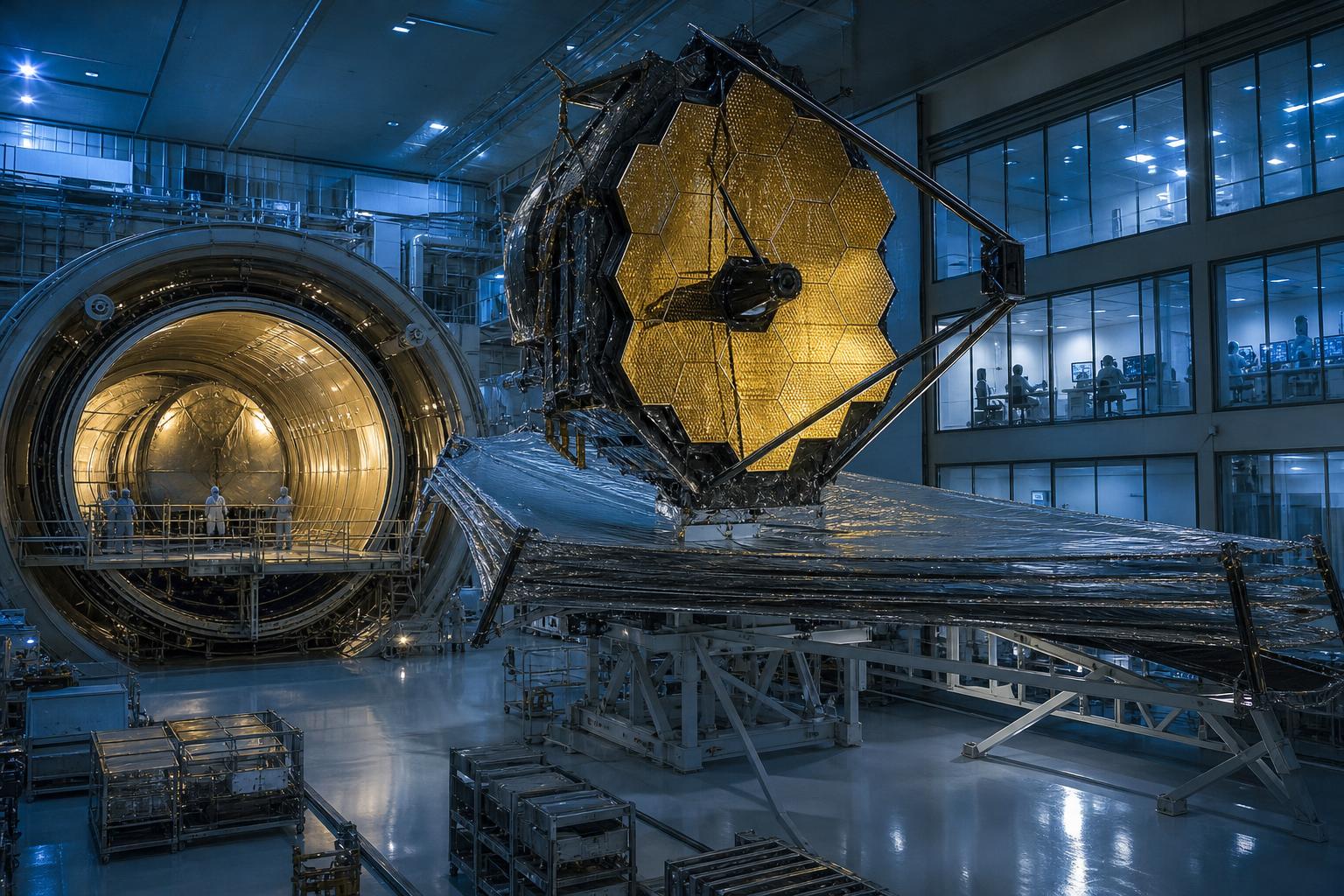
The satellites reached their target orbit and established two-way communication with ground stations in Daejeon, Antarctica and the Arctic, marking South Korea's first simultaneous launch of five operational satellites.
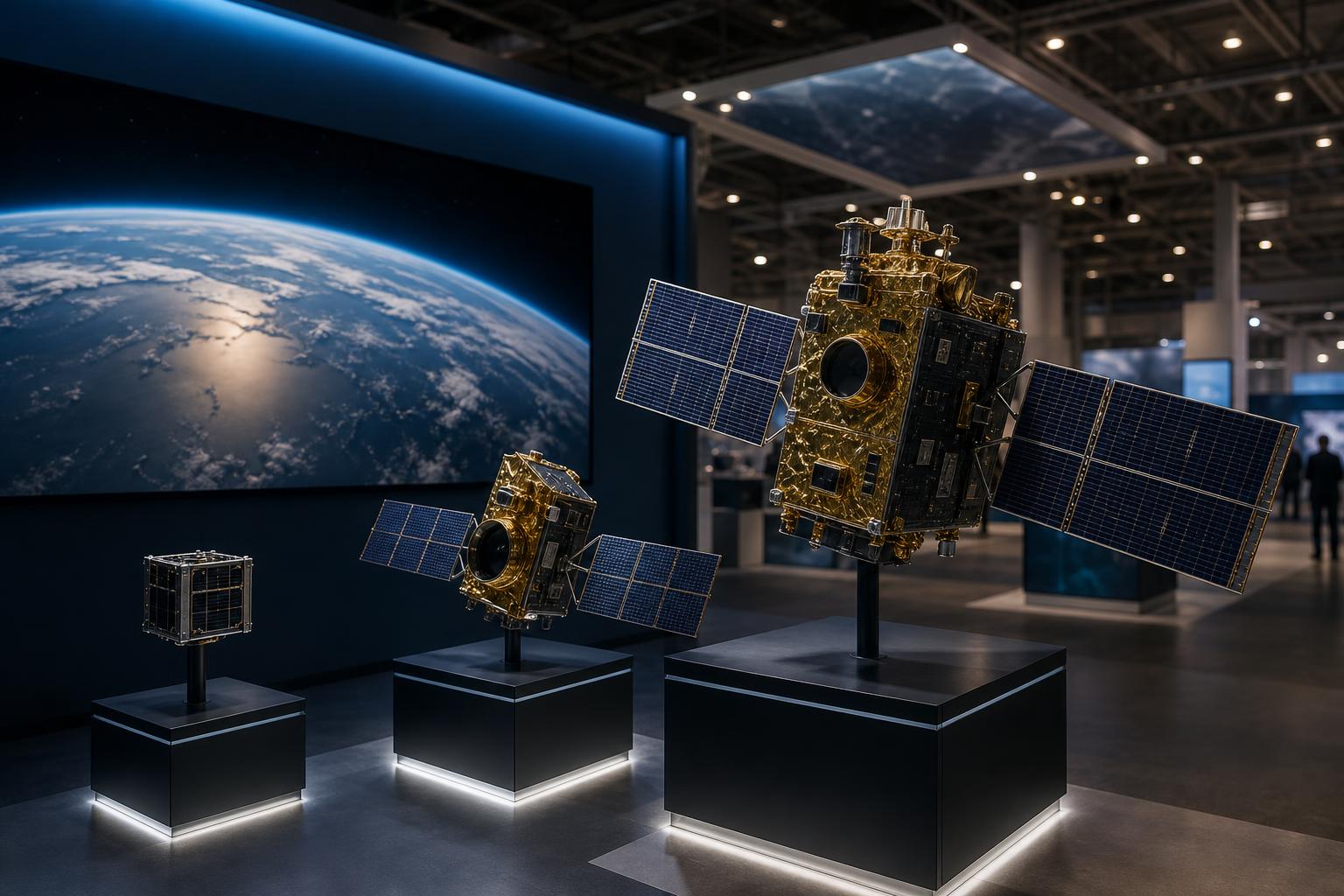
Korea Aerospace Industries is exhibiting three satellite platforms and plans to propose next-generation satellite cooperation to existing overseas customers.
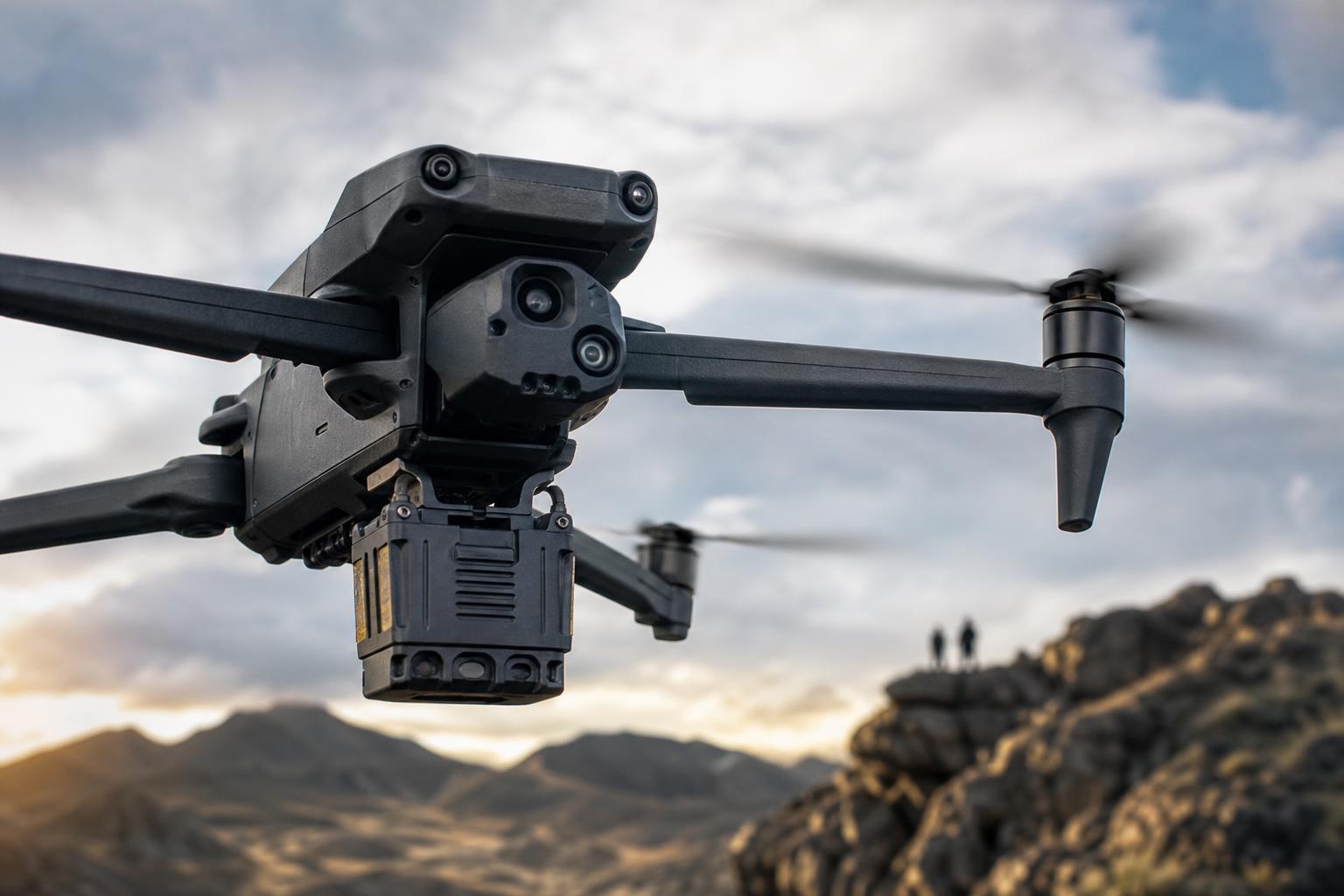
The three companies will jointly develop and commercialize low-power, high-efficiency AI technology for drones, unmanned systems, portable reconnaissance robots and missile seekers.
The Korean defense giant will support suppliers through joint overseas expansion and localization to meet growing demands for local production and technology transfer.
The event will introduce a new session for small and venture firms to present core technologies directly to prime contractors, aiming to expand participation in defense programs.
Retired Gen. Robert Abrams says operational shortfalls in the South Korean military would increase risk if a fixed timeline is set before key capabilities are in place.
The Nov. 24 session at Government Complex Gwacheon will explain project status and implementation plans for integrating joint and service C4I data, services and terminals on a cloud basis.
Seoul considers UN Security Council steps and unilateral sanctions after concluding North Korean troops planted mines south of the Military Demarcation Line.
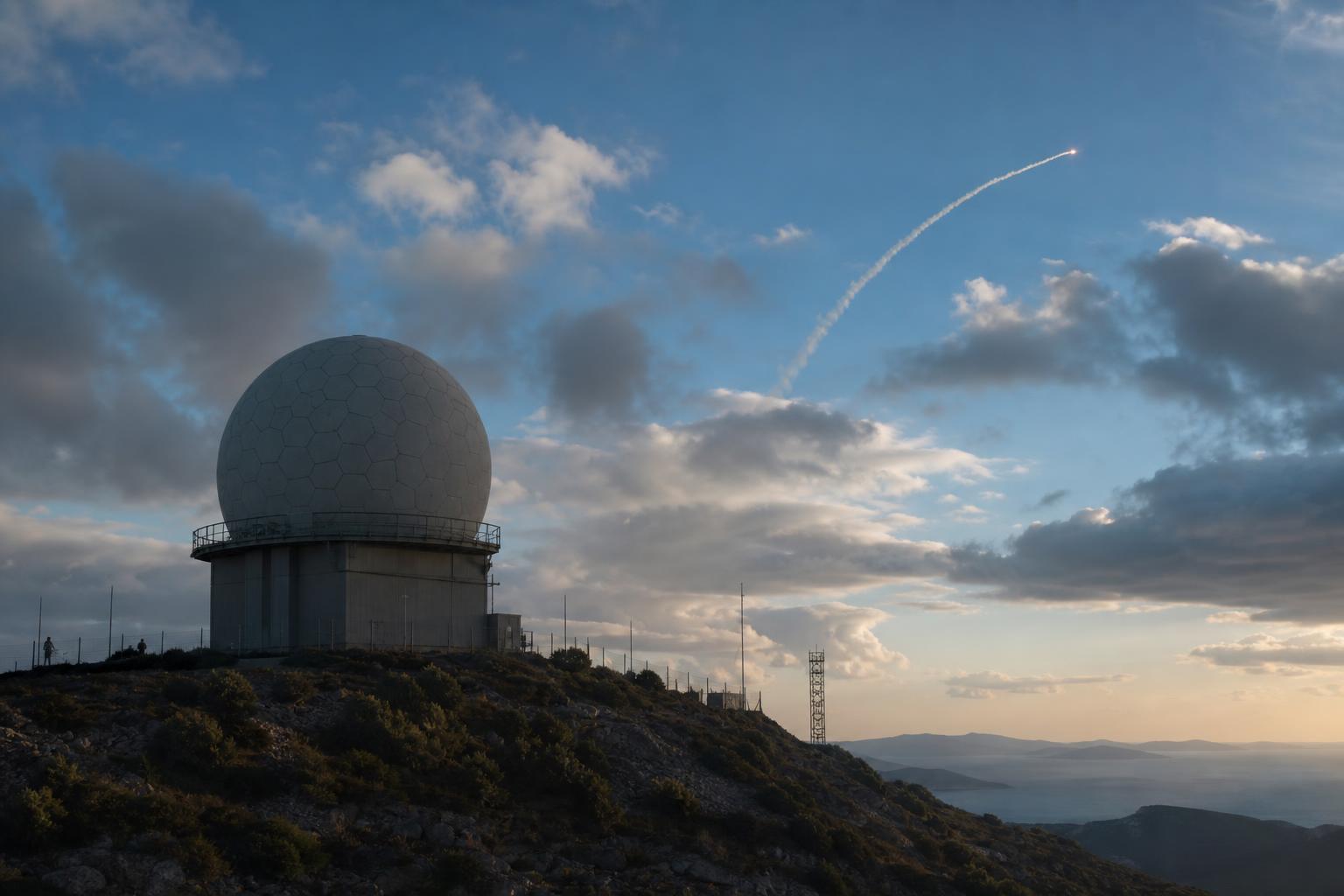
The Ministry of National Defense said the allies tracked the launches from preparation stage and judged them within the capability of ROK-U.S. defensive assets.