Korea joins NASA's PRIMA far-infrared space telescope mission
Korea Astronomy and Space Science Institute will provide cryogenic test infrastructure and lead multi-wavelength science studies for the 2033 launch.
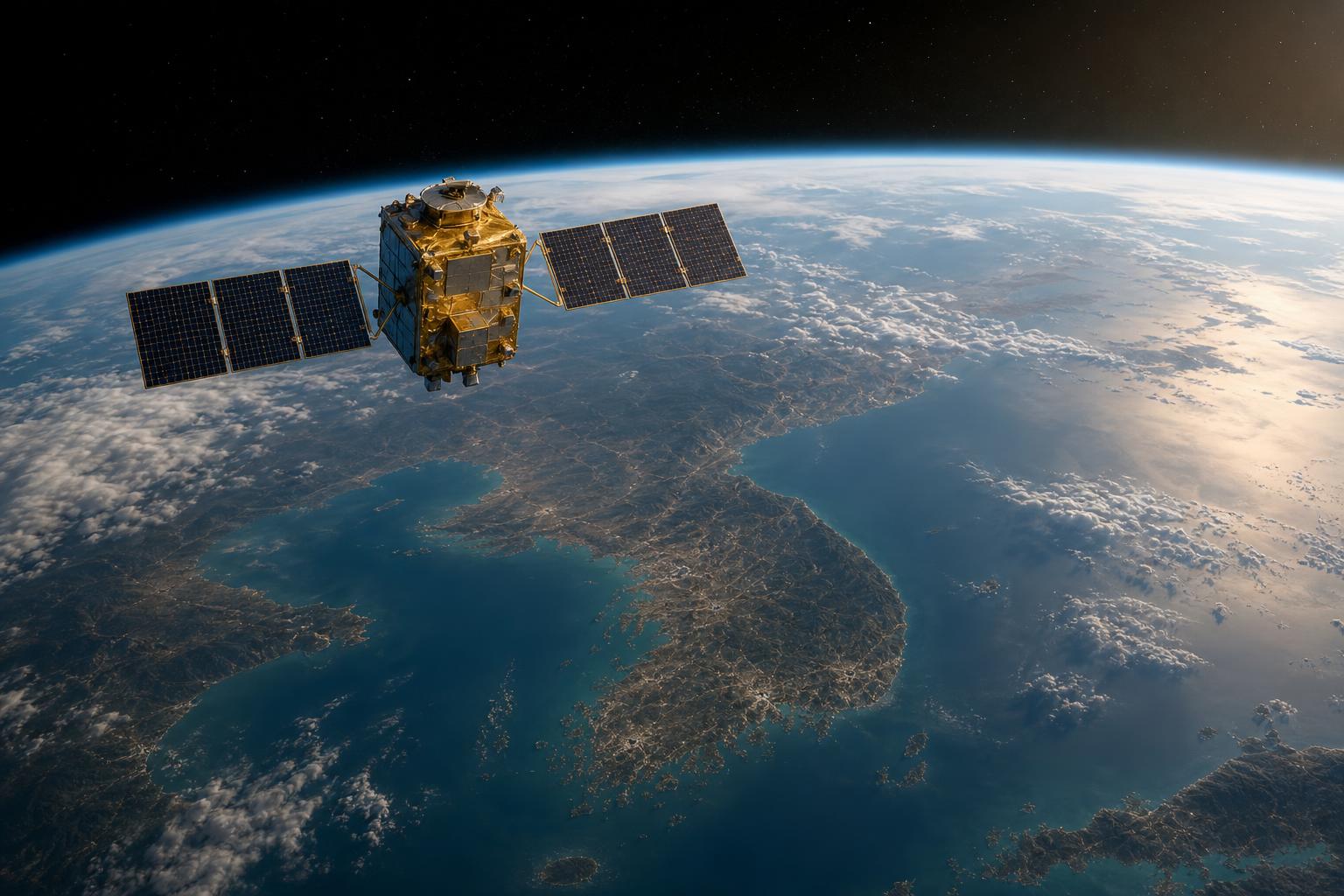
The Korea AeroSpace Administration (KASA) announced on Oct. 2 that the Korea Astronomy and Space Science Institute (KASI) will participate as an international cooperation partner in NASA's PRIMA mission, a next-generation far-infrared space telescope selected as NASA's first Probe-class mission.
PRIMA, short for PRobe far-Infrared Mission for Astrophysics, is scheduled for launch in 2033 and aims to conduct five years of science operations. The telescope will carry a 1.8-meter primary mirror and high-performance far-infrared spectrometer and imager to observe cold, dust-obscured regions of the universe that are difficult to study in visible or near-infrared light.
The mission will investigate the chemical evolution of galaxies, the co-evolution of galaxies and supermassive black holes, star and planetary system formation, and the origin of water. NASA established the new Probe-class category between large strategic missions such as the James Webb Space Telescope and small-to-medium missions such as SPHEREx, with a budget cap of $1.2 billion (about 1.6 trillion won).
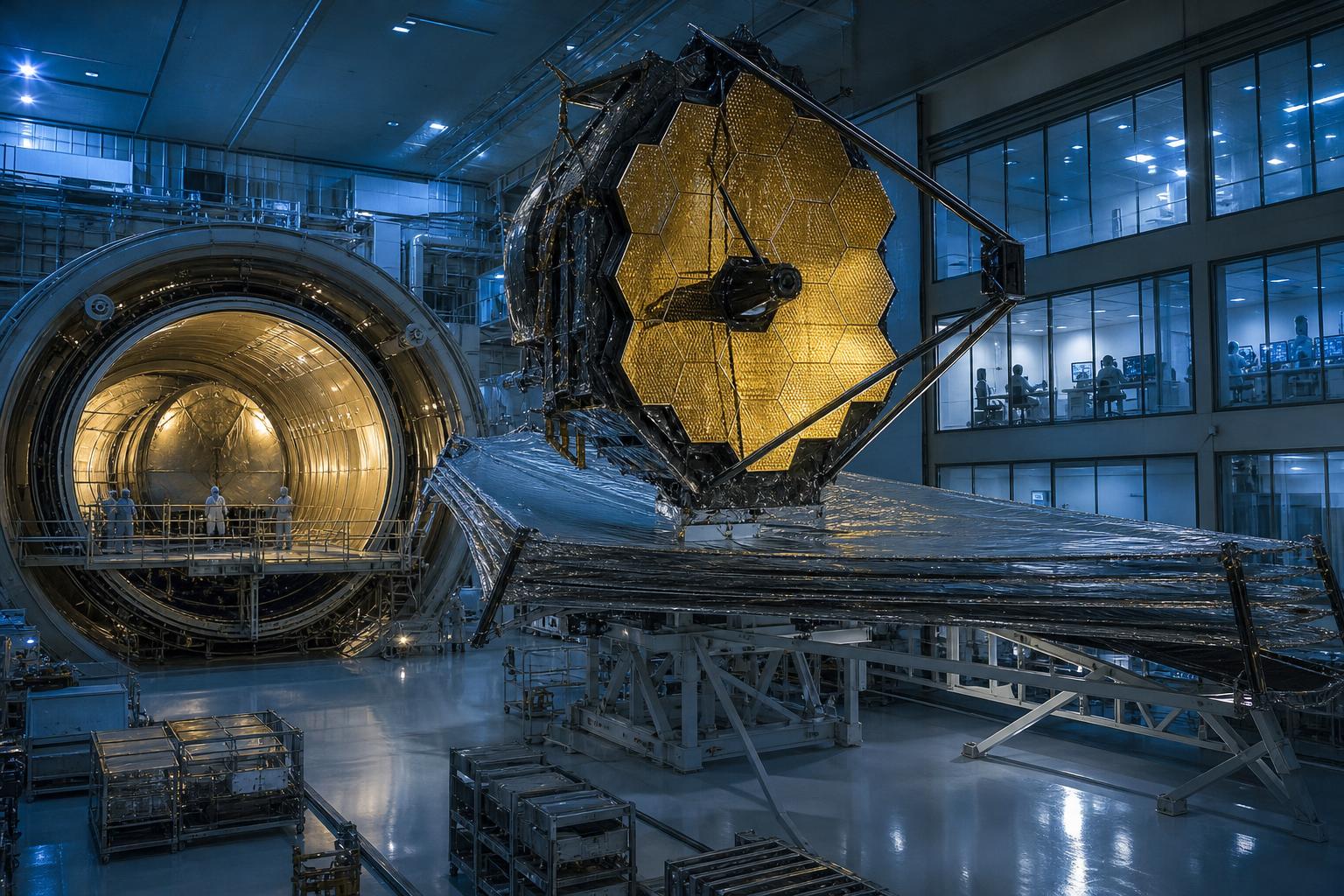
Korean researchers plan to participate across the PRIMA mission, drawing on experience from international cooperation on NASA's SPHEREx infrared space telescope in cryogenic testing, spectroscopic calibration, data analysis, and science research. KASI will upgrade the cryogenic performance test chamber previously used for SPHEREx spectroscopic calibration to provide key infrastructure and technical support for calibration and performance verification of PRIMA's spectroscopic payload.
In science research, Korean researchers will combine SPHEREx all-sky near-infrared spectroscopic data with PRIMA far-infrared observations for broad multi-wavelength joint studies. KASA said this will produce Korea-led research results on topics including the physical and chemical properties of star-forming regions and the interstellar medium, the formation and evolution of water and dust in protoplanetary disks, and the growth and evolution of starburst galaxies and active galactic nuclei.
KASI President Park Jang-hyun said the participation will further advance the institute's research and development capabilities in space telescopes and build capacity for Korea to lead future next-generation space telescope missions.
KASA Administrator Oh Tae-seok said, "Participation in the PRIMA mission is significant in that it expands the space telescope cooperation network with NASA to a world-class far-infrared space telescope mission," adding that KASA will actively support Korean researchers to produce independent scientific results in a global-scale space exploration mission and further develop international cooperation capabilities in space science.