South Korea to pursue U.S. nuclear fuel talks for submarine program
Defense Ministry also plans IAEA consultations and a special acquisition framework as it moves the nuclear-powered submarine project forward.
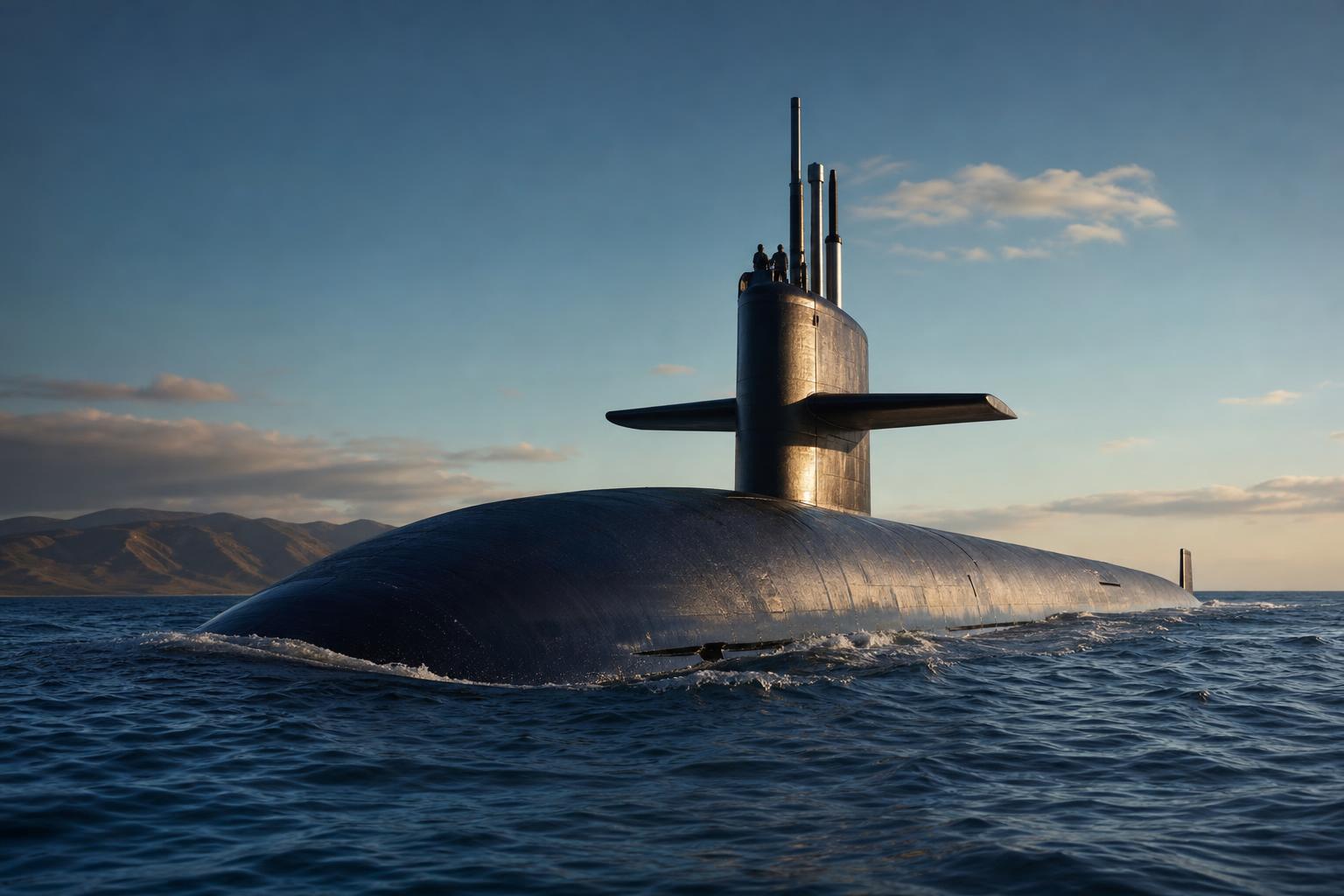
South Korea will pursue talks and an agreement with the United States on transferring nuclear material for military purposes to secure stable nuclear fuel for nuclear-powered submarines, the Ministry of National Defense said in a work report submitted to the National Assembly Defense Committee audit on Oct. 7, Financial News reported.
The ministry linked the plan to the Nuclear-Powered Submarine Special Act, which it said passed the Cabinet on Sept. 29, 2026. It plans to establish a decision-making system to concentrate government capabilities, apply acquisition exceptions reflecting the program’s special characteristics, and build a nuclear-safety regulatory basis for nuclear-powered submarines.
The ministry will also consult the International Atomic Energy Agency on management measures for nuclear material for nuclear-powered submarines while protecting military secrets and addressing concerns about diversion to nuclear weapons, according to Financial News.
Defense Minister Kang Shin-chul told the National Assembly audit that building, maintaining and operating nuclear-powered submarines would require thousands of personnel, while current submarine personnel number only in the hundreds, News1 reported.
The ministry also said the 2026 budget for the Korean three-axis system was expanded by 21% year on year and that the 2027 budget was also expanded by 29%. It listed MUAV, KF-21, high-yield missiles, M-SAM, L-SAM and a long-range artillery interception system among capabilities to be expanded or secured on time.
The government’s proposed 2027 defense budget is $55 billion (73.28 trillion won), up $4.2 billion (5.6 trillion won) or 8.2%, and $17 billion (22.71 trillion won), up 13.8%, is allocated to force-improvement spending for advanced capabilities including drones and counter-drone systems, Financial News reported.