KASA to Develop Hybrid VTOL Aircraft After Stratospheric Drone Record
The Korea AeroSpace Administration plans a five-year program from 2028 to develop a hybrid vertical takeoff and landing aircraft for regional transport, following a 170-hour stratospheric solar drone flight.
The Korea AeroSpace Administration (KASA) will launch a development program for a hybrid vertical takeoff and landing (VTOL) aircraft, building on a record-setting stratospheric solar drone flight, the agency announced on Nov. 11.
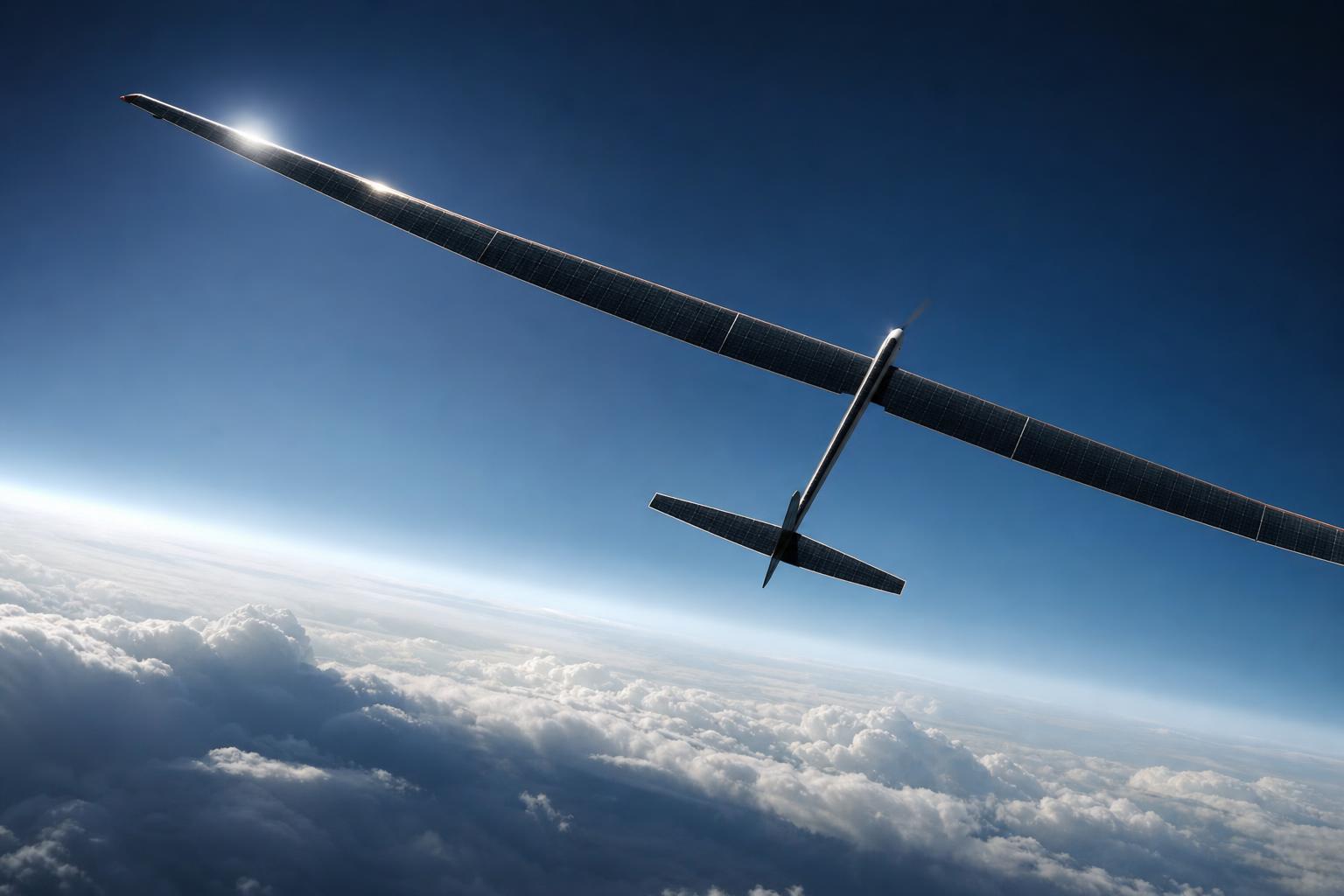
KASA and the Korea Aerospace Research Institute (KARI) flew the EAV-4 stratospheric solar-powered unmanned aircraft for 170 hours and 5 minutes from Aug. 18 to 25, according to the agency. The flight exceeded the previous domestic record of 53 hours set by the EAV-3 in 2020 by more than three times and ranks second globally after Airbus's Zephyr.
During the test, the drone demonstrated wildfire detection, using electro-optical and infrared cameras to spot an ignition point within seconds and track smoke spread and ember movement, KASA said.
Stratospheric drones can remain stationary at an altitude of 20 km for extended periods, making them a cost-effective persistent surveillance platform. They can also serve as airborne base stations for islands and mountainous areas lacking communications infrastructure, the agency noted.
KASA plans to have private companies lead missions by 2030 for disaster monitoring, communications relay, and verification of domestically produced solar cells.
The hybrid VTOL aircraft will take off and land without a runway. Unlike battery-only urban air mobility vehicles, it will use both an engine and batteries, allowing it to carry more passengers and cargo over longer distances and provide reserve power for emergencies, KASA said.
The aircraft is intended for emergency logistics and patient transport in remote areas and regional air taxi services. KASA also aims to localize core components such as engines, batteries, and motors to strengthen the domestic supply chain.
The development program will run for five years from 2028 to 2032, with phased verification from hybrid propulsion core technologies to full aircraft development.
KASA Administrator Oh Tae-seok said the stratospheric drone endurance record demonstrates the potential of Korean aviation technology, and the hybrid VTOL development is a new challenge to lead the future aviation market.