South Korea launches standardization study for military battery interoperability
DAPA and DTaQ aim to establish common standards so batteries can be shared or substituted across different military equipment, starting with small drone batteries.
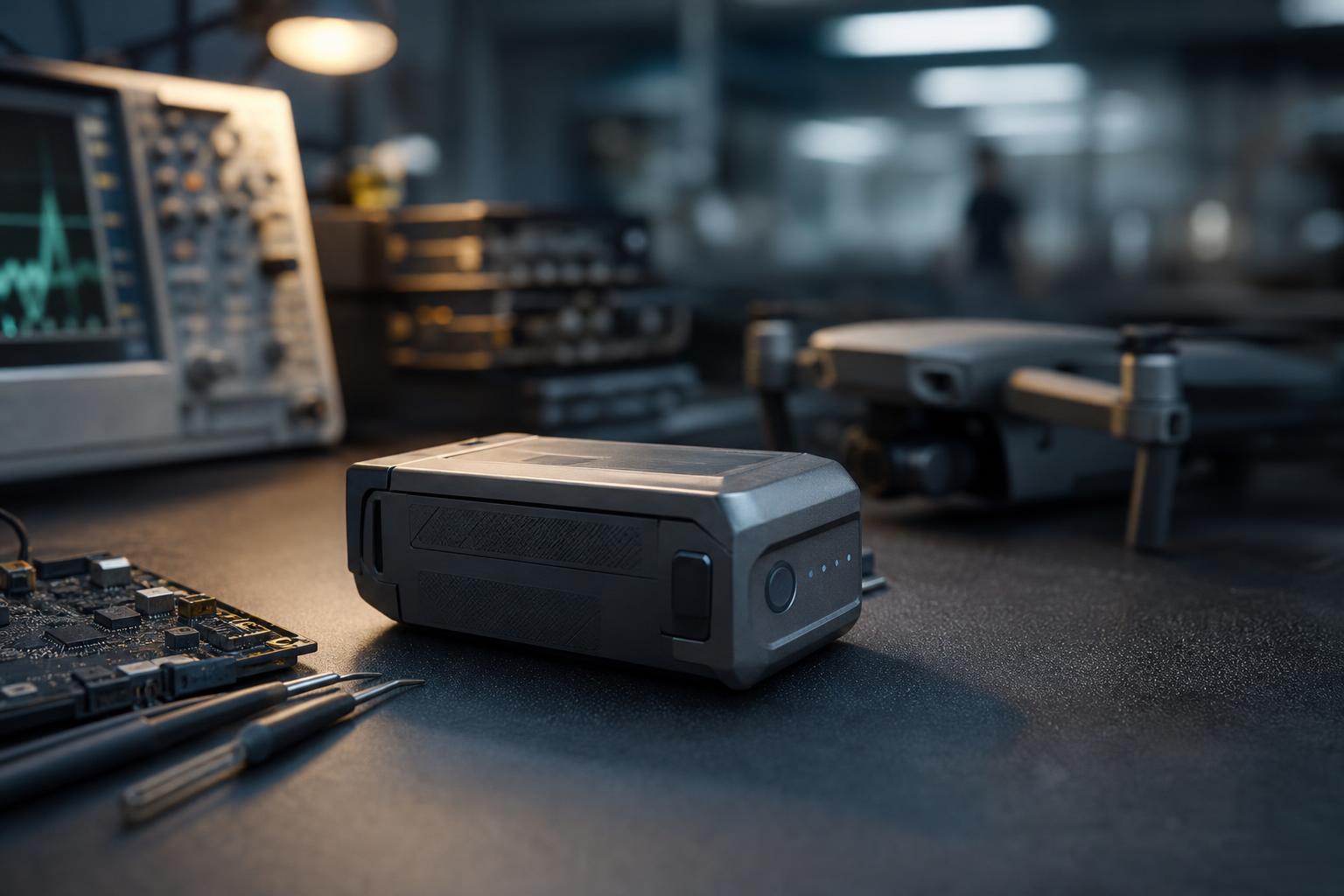
The Defense Acquisition Program Administration (DAPA) and the Defense Agency for Technology and Quality (DTaQ) held a kickoff meeting on Nov. 12 in Daejeon for a study on standardizing military batteries to ensure interoperability across equipment.
The study, part of a civil-military standards standardization project, will analyze the specifications and usage conditions of military batteries that currently differ by equipment, with the goal of establishing common criteria so batteries can be used together or substituted across multiple platforms.
The research will run until December 2030, with the Korea Electrotechnology Research Institute, the Korea Battery Industry Association, and the Korea Institute of Procurement participating jointly.
Standardization will proceed in stages, beginning with batteries for small drones and then expanding to military batteries overall.
The study will analyze existing military battery specifications and operational status, and incorporate opinions from industry, academia, research institutes, and military experts, as well as test and evaluation results, to establish common standards.
Based on the findings, DAPA plans to promote the establishment and revision of defense standards and enable the use of these criteria in future weapons system development and procurement.
DAPA expects the study to improve supply and equipment operation efficiency by enabling common use and substitution of batteries, and to reduce procurement and maintenance costs by preventing redundant battery development.
For private companies, developing products according to common standards is expected to increase development efficiency and strengthen product competitiveness using reliability-verified standards.
Jeong Beom-seung, director general of DAPA's Defense Acquisition Policy Bureau, said, "This study is the first step toward standardizing batteries that have been individually developed and operated for each weapons system under common criteria," and added, "We will provide institutional support so that the research results can be practically utilized in future weapons system development and procurement."
Jang Ji-hyung, head of DTaQ's Technology Research Division, said, "Batteries are a key element supporting the operation of various weapons systems including drones, and establishing standards that allow compatibility between equipment is the foundation for stable force operation and efficient logistics support," and added, "We will broadly reflect the opinions of the military and industry to derive standardization results that can be practically used in the field."