KASA hosts second Future Space Policy Forum
Experts reviewed institutional frameworks for space resources, government anchor demand, and integrated satellite procurement.

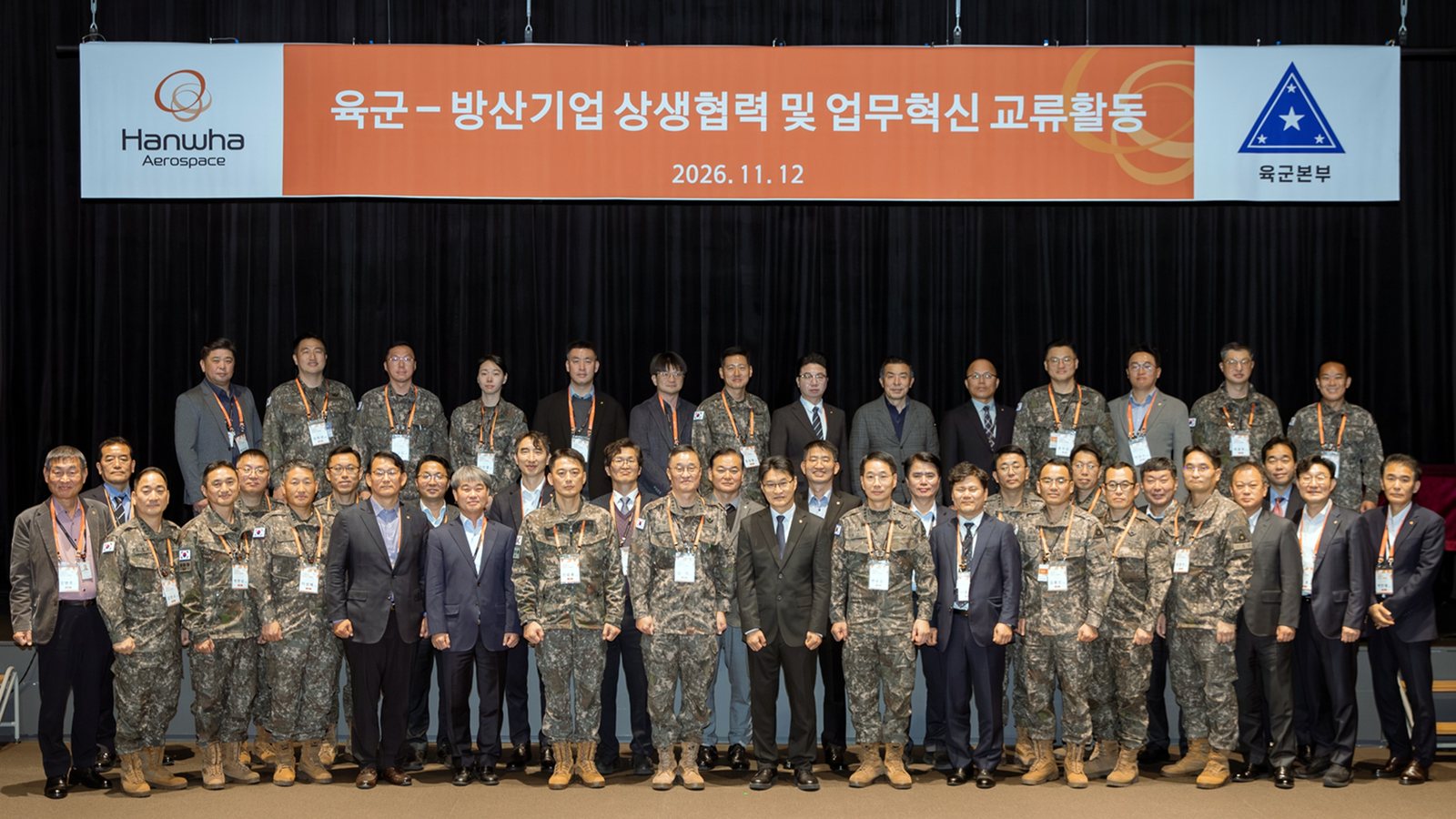
The Korea AeroSpace Administration (KASA) and the Korea Aerospace Research Institute (KARI) held the second Future Space Policy Forum on Nov. 19 at the Koreana Hotel in Seoul to discuss space development issues with experts.
The forum is designed to combine expert exchange and think-tank functions in the space development field, gathering in-depth opinions from industry, academia, and research experts on rapidly changing space development issues and using them to propose practical policy directions, according to KASA.
KASA oversees the forum's operation, with KARI participating as the operating organization.
At the second meeting, research teams presented interim reports based on research topics proposed at the previous meeting. The three topics presented were: establishing an institutional foundation for space resources, creating government anchor demand and linking public demand with private services, and establishing an integrated cross-government procurement system for national satellites.
The forum also reviewed the space and aerospace implementation strategy as the Frontier Board for the space and aerospace sector of the Seven SEED Projects. The strategy is a concrete plan to implement the space and aerospace portion of the Seven SEED Projects Promotion Plan, which was deliberated and approved at the Science and Technology Ministers' Meeting on Sept. 30.
The Seven SEED Projects include small modular reactors, nuclear fusion, renewable energy, quantum, space and aerospace, advanced bio, and advanced supply chains.
Lee Jae-heun, director general of the Space and Aerospace Policy Bureau, said that since the major direction of space development policy—shifting from research and development to industrial promotion—has been presented through the Space and Aerospace Industry Promotion Strategy, subsequent policies must be designed more precisely and tailored to each field. He expressed hope that experts participating in the forum would support the establishment of realistic, customized policies through active recommendations.