U.S. Army certifies first operational IBCS-enabled Patriot battery in South Korea
Delta Battery, 6th Battalion, 52nd Air Defense Artillery Regiment, completed certification on the Integrated Air and Missile Defense Battle Command System, enabling distributed air-defense operations.
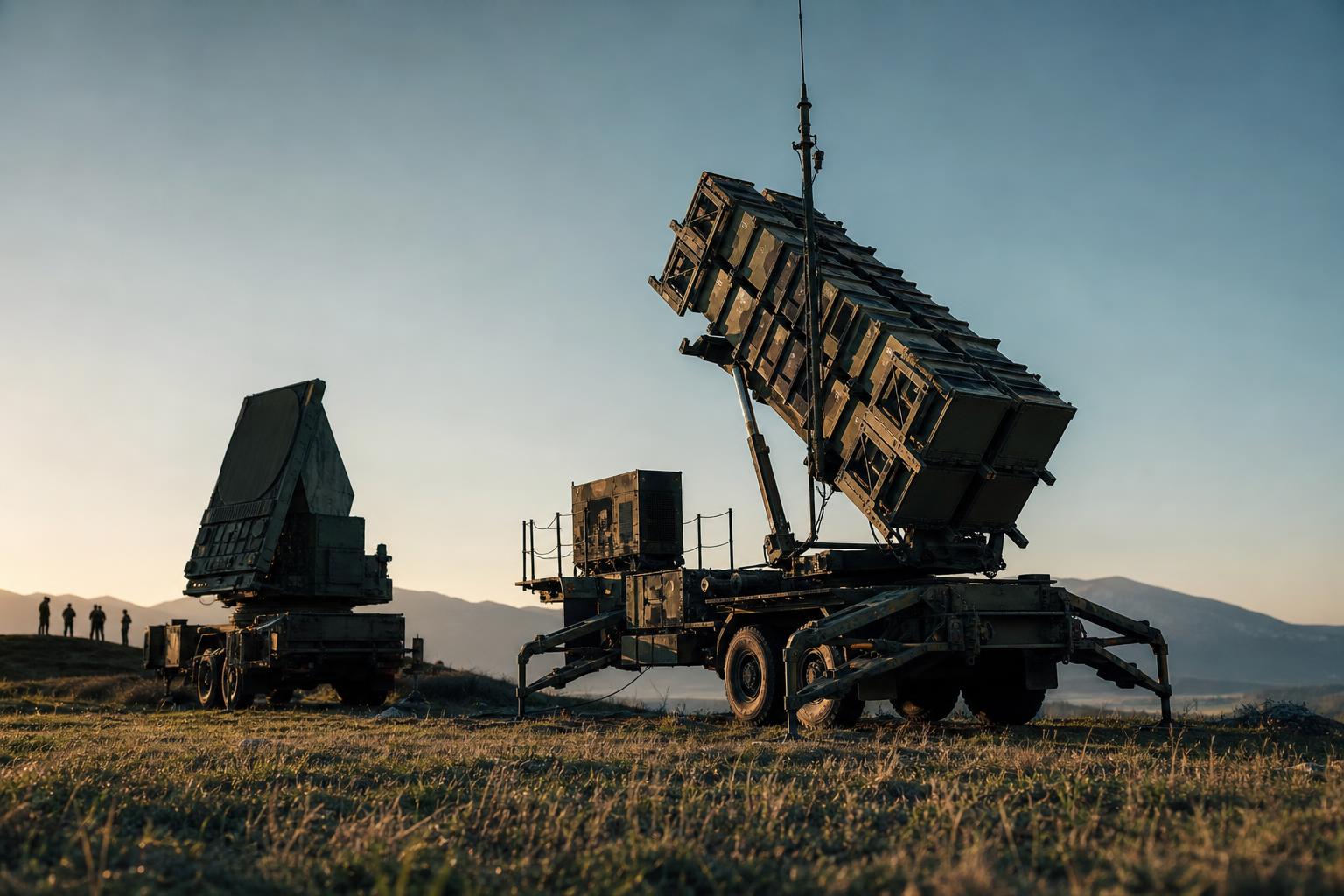
The U.S. Army has certified its first operational Patriot battery equipped with the Integrated Air and Missile Defense Battle Command System (IBCS) in South Korea, the Eighth Army announced on Nov. 19.
Delta Battery, 6th Battalion, 52nd Air Defense Artillery Regiment, 35th Air Defense Artillery Brigade, completed certification on IBCS in the Republic of Korea, according to the United States Army. The unit became the first operational Patriot battery in the U.S. Army to achieve IBCS certification.
The certification validates the battery's ability to decouple sensors and launchers from the fire control unit, enabling resource dispersion and a "best sensor-best shooter" capability, the Army said. The transition from legacy, siloed weapon networks to the IBCS Integrated Fire Control Network was a key focus of the evaluation.
Additional Patriot units in the battalion will certify on IBCS in the upcoming weeks as they prepare for follow-on distributed command-and-control operations, the Army said.
The forward-deployed certification directly enhances the 35th ADA Brigade's "Fight Tonight" operational readiness and proves the unit's ability to defend critical assets against complex regional missile threats, according to the Army.
IBCS connects multiple ground, air and maritime detection assets and intercept weapons in real time, replacing a previous model in which individual batteries detected targets with their own radars and responded with their own interceptor missiles, the Herald Business reported.
Legacy Patriot systems required radars and launchers to be positioned close together, while IBCS allows them to be dispersed so data from other sensors can continue flowing in real time if one radar is destroyed, the Herald Business reported.
South Korean military detection assets are not yet integrated into the U.S. IBCS network, and target coordinates and other data from South Korean radars are not connected in real time to the U.S. command-and-control system, the Herald Business reported, citing sources.
Eighth Army did not disclose the date of the final evaluation and did not release the certification's evaluation criteria, the interceptor mix assigned to the battery, or whether the unit operates the Lower Tier Air and Missile Defense Sensor, Defense WarRoom reported.