KASA designates four new space technologies, adds space bio and semiconductor category
The third designation round covers satellite electronics, AI-based satellite operations, a lightweight launch vehicle tank, and an unmanned space bio platform.
The Korea AeroSpace Administration (KASA) designated four new space technologies on Nov. 25, including the first in a newly created category covering space medicine and space-grade semiconductors, materials and components.
The third round of designations under the Space Development Promotion Act included two satellite technologies, one launch vehicle technology and one in the new "other types" category, KASA said in a statement. The agency received nine applications and selected four after document review, interviews, on-site verification and comprehensive evaluation.
The newly designated technologies are a next-generation satellite core electronics unit, AI-based satellite operations software, a lightweight launch vehicle propellant tank, and an unmanned automated space bio platform.
In the satellite field, Edelweiss was selected for its integrated unit technology for wideband waveform generation, received signal processing, and transmit/receive timing control for small synthetic aperture radar (SAR) satellites. The technology integrates signal generation, processing and transmission/reception control into a single device, improving satellite payload efficiency through compact and lightweight design.
AI Ops was selected for its integrated operations platform for AI-based anomaly detection and status analysis for multi-satellite operations. The software can operate in an environment isolated from the external internet, which is expected to enhance satellite operation reliability and security.
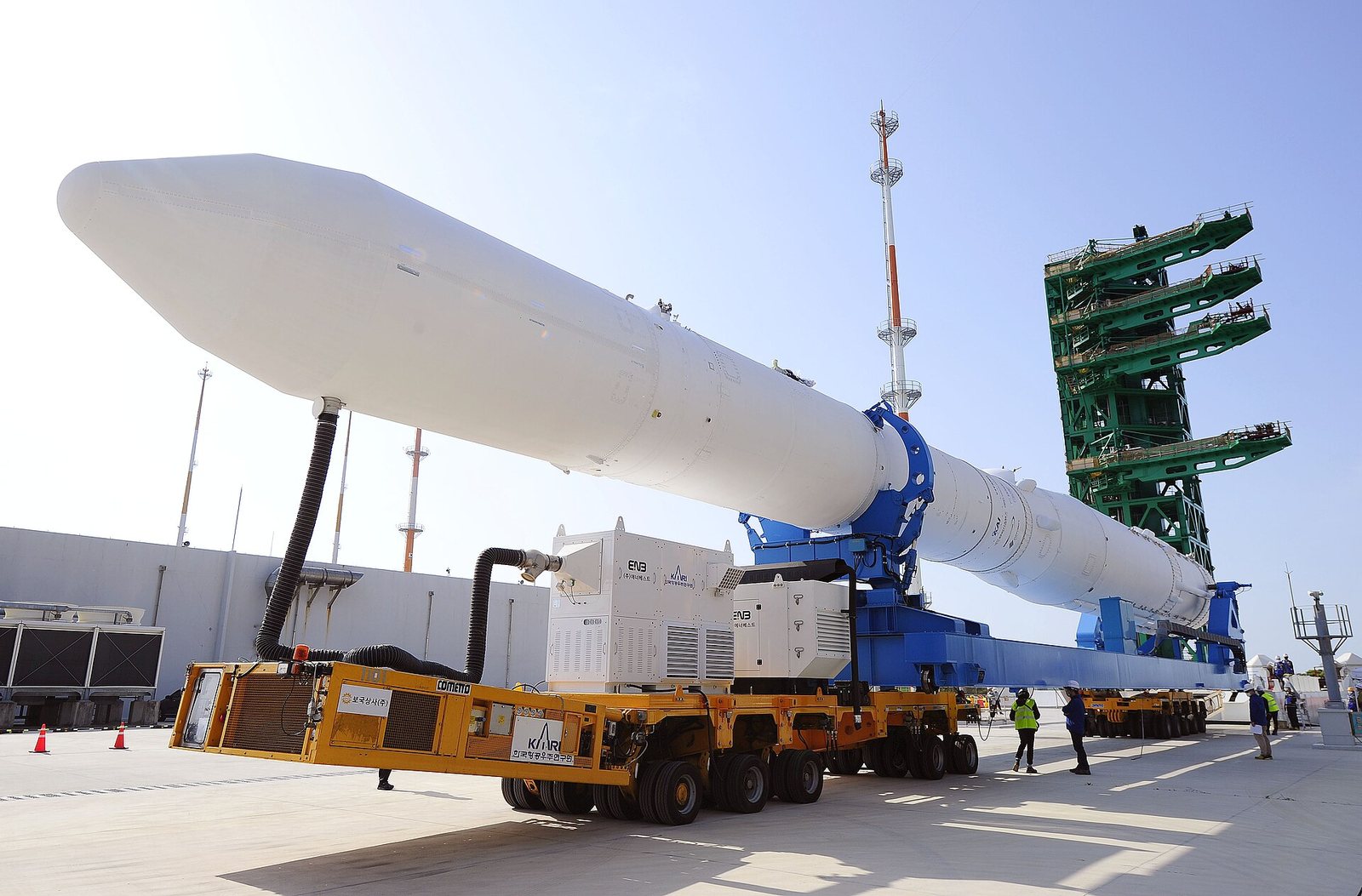
In the launch vehicle field, Perigee Aerospace was selected for its cryogenic composite propellant tank manufacturing technology using a linerless structure and adhesive bonding method for space launch vehicles. The lightweight tank stores cryogenic propellant in carbon fiber composite without a metal liner, achieving approximately 30 percent weight reduction compared to conventional aluminum tanks and improving launch vehicle transport efficiency.
In the newly established "other types" category, Space Medic was selected for its unmanned automated space micro physiological system (Space MPS) payload technology based on Nuri rocket demonstration. The integrated platform performs bio 3D printing, cell culture and real-time observation unmanned in the space environment, and is expected to serve as a core foundation for space medicine and bio research.
KASA Administrator Oh Tae-seok said the third designation is meaningful because it discovered innovative technologies not only in satellite and launch vehicle core areas but also in new convergence fields such as space bio. He pledged to support designated technologies through public procurement priority purchase and innovative product designation to strengthen private-led space industry competitiveness.
KASA plans to provide follow-up support including technology promotion, space environment test support, and public procurement linkage. Products commercializing designated space technologies can apply for innovative product designation under KASA guidelines, and if recognized for innovation and public benefit, may be designated as innovative products to support market entry and early sales.