KASA approves space transport expansion strategy and Chollian-6 satellite plan
The working-level committee endorsed a plan to achieve over 20 launches annually by the mid-2030s and a multi-ministry geostationary environmental and ocean satellite program.
The Korea AeroSpace Administration (KASA) held the 11th Space Development Promotion Working Committee meeting on Nov. 24 at the Sejong Marriott Hotel, where it deliberated and approved a space transport capability expansion strategy and a development plan for the Chollian-6 geostationary environmental and ocean satellite.
The working committee, established under Article 6 of the Enforcement Decree of the Space Development Promotion Act, supports the efficient operation of the National Space Committee by reviewing national space development agenda items in advance. This meeting was the first to include newly appointed second-term civilian members, who were commissioned in September.
The space transport capability expansion strategy aims to expand space mission capabilities and secure independent space access by diversifying launch vehicles, including the Nuri rocket, next-generation launch vehicles, and private launch vehicles. The goal is to achieve a launch capacity of more than 20 launches per year by the mid-2030s and to independently handle most domestic satellite demand, including the Korean low Earth orbit satellite communication network.
Key elements include establishing an institutional foundation for expanded use of the Nuri rocket and identifying additional demand; improving reliability and mission capabilities through regular launches; building a low-cost, high-frequency space transport system through development of a reusable next-generation launch vehicle; diversifying transport capabilities through support for private small and medium launch vehicle demonstrations and solid-fuel launch vehicle development; and expanding launch infrastructure.
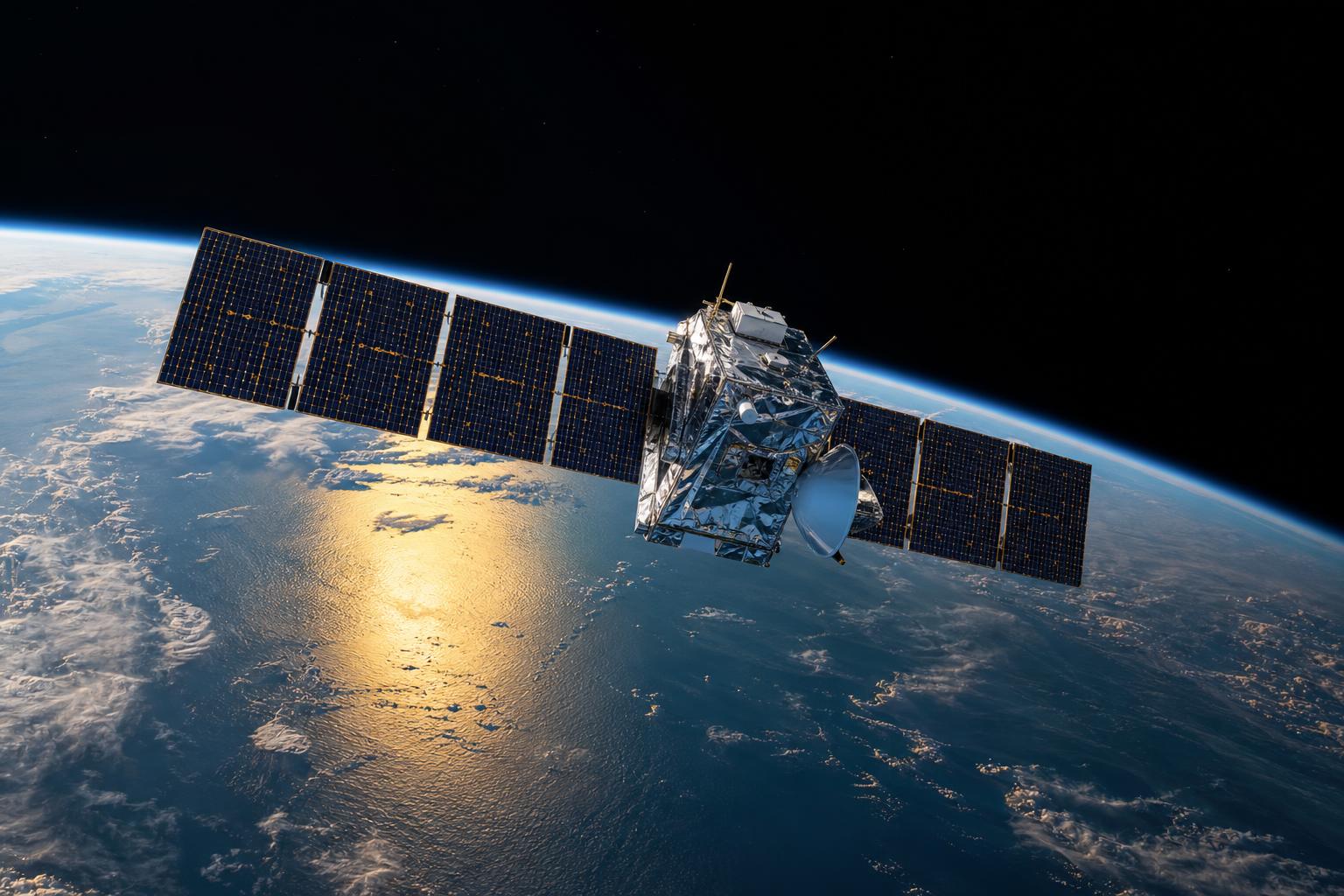
The Chollian-6 development plan is a joint multi-ministry satellite development project involving KASA, the Ministry of Climate, Energy and Environment, and the Ministry of Oceans and Fisheries to timely develop a successor satellite to the Chollian-2B launched in 2020. Once launched, Chollian-6 is expected to more precisely monitor air pollutants such as fine dust and ozone, as well as marine disasters such as red tides and oil spills, strengthening public health protection and disaster response.
The project will also localize geostationary satellite environmental and ocean payloads for the first time in Korea, laying the foundation for domestic satellite technology independence. The project passed a preliminary feasibility study in August and is scheduled to begin in 2027 with a satellite launch in 2033.
Agenda items approved by the working committee, including the space transport capability expansion strategy, will be finalized after deliberation and approval by the National Space Committee.
KASA Administrator Oh Tae-seok said, "Space is an essential resource for national survival, affecting not only daily life such as communications and navigation but also the economy and security," and asked related ministries and the private sector, including the newly joined civilian members, to work together to expand Korea's space territory by enhancing national space transport capabilities.