KASA Panel Advances 20-Launch Annual Target and Cheollian-6 Satellite Plan
South Korea's space agency aims for more than 20 launches per year by the mid-2030s and a 2033 launch for the Cheollian-6 geostationary environmental satellite.
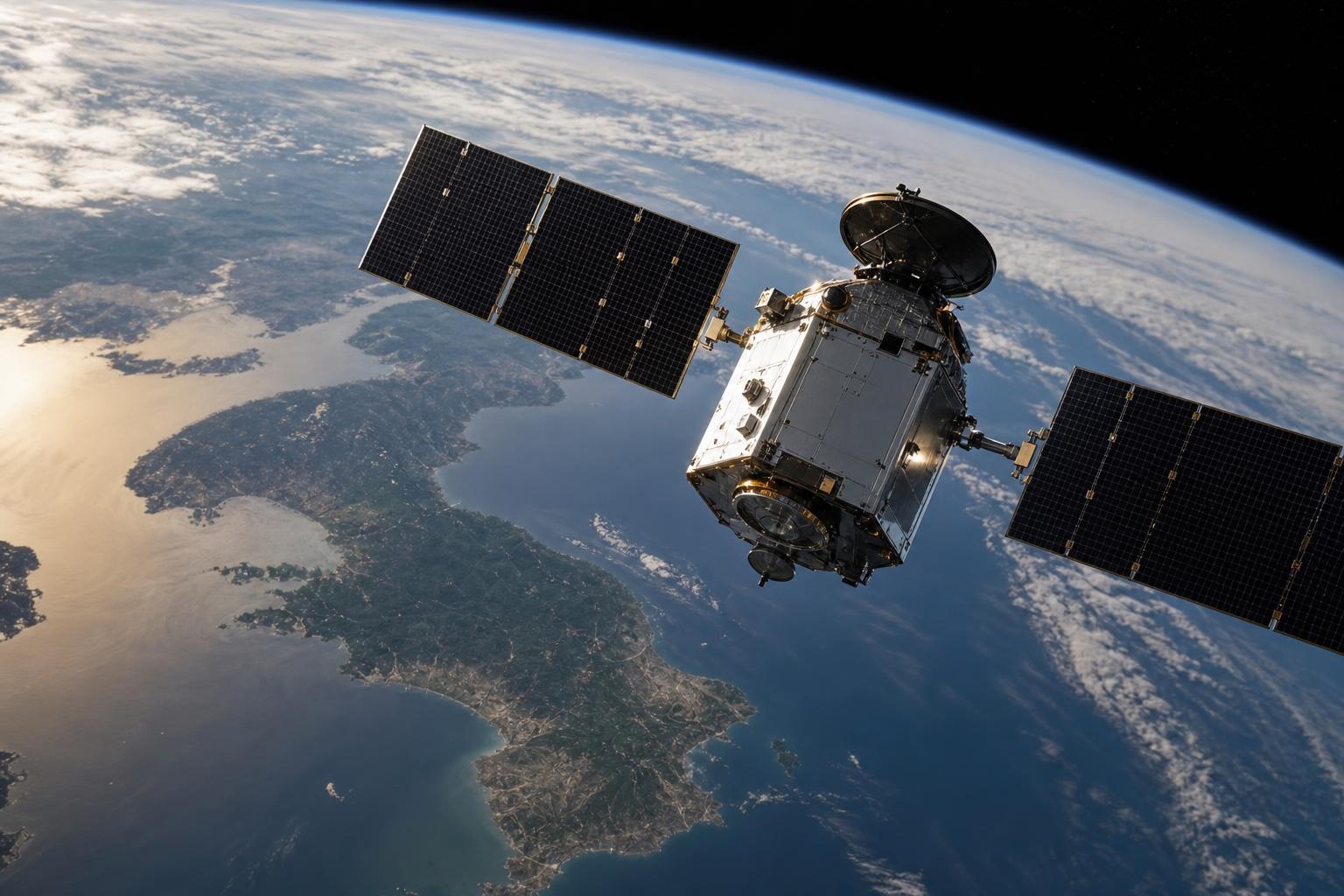
The Korea AeroSpace Administration (KASA) held the 11th Space Development Promotion Working Committee meeting at the Marriott Hotel in Sejong on Nov. 24, 2026, advancing a space-transport capability expansion strategy and a development plan for the Cheollian Satellite 6 geostationary environment and ocean satellite.
The space-transport strategy aims to diversify launch vehicles, including Nuri, the next-generation launch vehicle and private launch vehicles, to expand mission capacity and secure independent space access, according to KASA.
The strategy sets a goal of achieving more than 20 launches per year by the mid-2030s and independently handling most domestic satellite demand, including a Korean low-Earth-orbit satellite communications network.
KASA listed five elements in the launch strategy: expanding Nuri use, improving reliability through regular launches, developing a reusable next-generation launch vehicle, supporting private small and medium launch-vehicle demonstrations plus solid launch-vehicle development, and expanding launch infrastructure.
The Cheollian Satellite 6 plan is a multi-ministry satellite development project by KASA, the Ministry of Climate, Energy and Environment, and the Ministry of Oceans and Fisheries to succeed Cheollian Satellite 2B, launched in 2020.
KASA said Cheollian Satellite 6 is intended to monitor ultrafine dust, ozone, red tides and oil spills more precisely, while localizing environmental and ocean payloads for a geostationary satellite for the first time in South Korea.
The Cheollian Satellite 6 project passed a preliminary feasibility study in August, is scheduled to start in 2027 and aims to launch the satellite in 2033.
KASA said the space-transport strategy and other items approved at the working-committee level will be finalized after deliberation and approval by the National Space Committee.