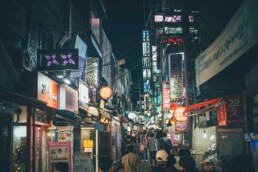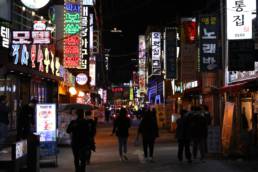


Trends Korea 2026 identifies the 1.5 household as a dominant social unit in South Korea this January. This demographic seeks a balance between absolute autonomy and a loose social safety net.
Residents in Seoul and other major cities adopt this lifestyle to combat rising inflation and deep social isolation. Consequently, it signals a shift from traditional family structures to flexible connections.
Defining the 1.5 Household Concept
The concept defines the 1.5 household as a fusion of independent living and selective connectivity. It adds a 0.5 factor of social interaction to the 1 factor of total self-reliance.
Experts describe this trend as a natural evolution in a hyper-solo society. People want to reduce the emotional and economic burdens of living completely alone without losing their freedom.
Essentially, it is a lifestyle of flexible bonding. Specifically, individuals remain independent islands but choose to build temporary bridges when they need support or companionship.
The Support Dependent Model
Furthermore, the support-dependent type has emerged among younger demographics. These individuals live alone but rely on parents for weekend meals, laundry services, or financial safety nets.
For example, a young professional might rent a studio in Seoul but visit their parents frequently. They maintain their own routine while utilizing the family resources for stability.
Similarly, Statistics Korea reported that one-person households reached 36.1 percent in 2024. This massive demographic now seeks new ways to integrate external support into their solo lives.

Independence Through Shared Spaces
In contrast, the independence-oriented type involves people living together while maintaining strict boundaries. Couples or friends share a house but operate on completely separate schedules and hobbies.
These residents often use separate rooms, separate bank accounts, and even separate meal times. They prioritize individual autonomy while sharing the high costs of urban housing and utilities.
Moreover, the facility-dependent type utilizes professional co-living spaces to fill the social gap. These residents enjoy private bedrooms but share high-end lounges, kitchens, and community programs.
Reshaping the Real Estate Market
The rise of 1.5 households forces the housing industry to redesign urban living spaces. Developers now focus on modular interiors and sliding doors to facilitate flexible privacy.
Specifically, companies are expanding shared amenities like rooftop gardens and coworking hubs. They aim to provide the 0.5 connection that solo dwellers increasingly demand in 2026.
Additionally, the interior design market sees a surge in demand for personal appliances. Consumers now buy multiple small refrigerators or air purifiers for individual rooms within one home.

Economic and Consumption Shifts
Consumption patterns are also shifting toward a “together but separate” model. For instance, roommates frequently order different menus from delivery apps at the same time to the same address.
Furthermore, food brands are launching premium meal kits sized for exactly 1.5 portions. These products cater to those who eat alone but occasionally host a guest or partner.
Subscription services are also adapting by offering “plus one” invitation codes. This allows solo subscribers to extend their digital experiences to a loose network of friends or neighbors.
The Social Logic of Loose Solidarity
Ultimately, the 1.5 household is a strategic response to the decline of traditional family care. Since fewer people are getting married, they must find alternative ways to manage loneliness.
Individualism remains the core value, yet the fear of total isolation drives the need for the 0.5 connection. It creates a safety net that is functional rather than obligatory.
This trend highlights a major transformation in Korean social fabric. It proves that while the traditional family is shrinking, the human need for elective community remains stronger than ever.
Summary of the New Living Standard
In summary, the 1.5 household represents a pragmatic middle ground for modern Koreans. It combines the freedom of living alone with the security of selective social and economic support.
This evolution will likely dominate urban planning and consumer markets for the foreseeable future. Understanding this hybrid lifestyle is now essential for any business targeting the Korean market.