


Every year from November, a phenomenon known as the Reservation War grips the city of Seoul as millions compete for limited holiday slots. This competition involves securing luxury hotel cakes, high-end restaurant tables, and entry tickets to festive markets.
The intense demand for these experiences highlights a unique intersection of digital proficiency and premium consumption within the South Korean market. Consumers prioritize prestige and aesthetic experiences during the year-end season.
Holiday cakes serve as the primary indicator of this competitive trend. Major confectionery brands often report total sell-outs within minutes of opening their annual preorder windows in early November.
Luxury hotels like The Shilla Seoul release limited-edition cakes priced at 500,000 KRW. These items consistently sell out despite the high price, demonstrating the robust demand for exclusive seasonal goods.
Mainstream brands also experience significant revenue surges. For instance, Pascucci recorded an eightfold increase in sales after implementing early bird systems. Baskin Robbins noted a 197 percent rise.
The Digital Shift in Holiday Dining
The restaurant sector relies heavily on mobile platforms such as Catch Table. Most popular venues open their December bookings approximately six weeks in advance, often on a specific date in mid-November.
Seats at restaurants operated by celebrity chefs often vanish within sixty seconds. This rapid depletion of inventory forces many consumers to seek alternative dates or less popular time slots.
The scarcity of tables has led to a growing secondary market. Reservation rights are frequently traded on platforms like Danggeun Market at prices significantly higher than the original booking deposit.
The emergence of a resale market for dining reservations indicates that holiday access has become a form of social capital in modern Seoul society.
Navigating Major Festive Landmarks

The Hyundai Seoul remains the most sought-after indoor destination. Due to extreme popularity, the department store utilizes a QR-based waiting system to manage the thousands of daily visitors.
Strategic visitors often target the venue after 5 PM. Data suggests that cancellations and no-shows increase during the evening, providing a window for those who failed to secure pre-registrations.
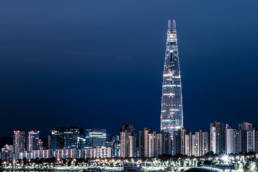
Lotte World Mall has introduced a tiered pricing strategy for its Christmas Market. Entry is free before 4 PM, but a 5,000 KRW fee is applied afterward to control the evening crowd.
The mall also offers a 10,000 KRW Fast Pass option. This allows visitors to bypass long queues, appealing to those who value time efficiency over the cost of the entry fee.
For a traditional experience, the Gwanghwamun Market remains a staple. Open from mid-December, it features a Winter Fairytale theme and is accessible to the general public without a fee.

Institutional Strategies for Success
Hotel buffets typically divide their dinner services into two distinct sessions. The first session usually starts around 5 PM, while the second prime-time session begins at 7:30 PM.
The second session is generally the first to reach full capacity. It is highly favored by couples and social groups for its alignment with evening musical performances and champagne service.
Success in this environment requires advanced preparation. Professional diners recommend saving payment methods in mobile apps and using multiple devices to refresh reservation pages at the exact opening time.
Official announcements from major department stores and hotels serve as the starting gun for this race. Authorities in the retail sector view these events as critical for annual revenue targets.
The Christmas Reservation War is a defining characteristic of Seoul’s winter season. It reflects a society that values digital speed, premium branding, and the shared experience of festive celebration.