South Korean Army pushes Army TIGER+ unmanned-force concept and studies DMZ robot-drone use
Army Chief of Staff Gen. Kim Kyu-ha proposed using robots and drones for dangerous DMZ missions after a September land-mine explosion injured three service members.
The South Korean Army is advancing its Army TIGER+ manned-unmanned combined unit concept and studying the use of robots and drones in the Demilitarized Zone (DMZ) following a land-mine explosion that injured three service members, according to reports from The Korea Times, KTV and Newsis.
Army Chief of Staff Gen. Kim Kyu-ha proposed using robots and drones for dangerous DMZ missions after the Sept. 21 incident, The Korea Times reported. Kim said he told U.S. Forces Korea Commander Gen. Xavier Brunson that personnel face danger and difficulty entering the DMZ and that robots and drones should go in instead. Kim said Brunson agreed, but both commanders emphasized the need for thorough testing.
The Army, the Ministry of National Defense, the Joint Chiefs of Staff and the United Nations Command are examining how robots and drones could be used safely in the DMZ, The Korea Times reported. The Army is also exploring digital replicas of battlefield environments to test how robots and drones could operate in the DMZ and along the heavily fortified border before field deployment.
KTV reported that the Army demonstrated the future combat concept of Army TIGER+, a manned-unmanned combined unit, and that the military plans to convert the whole force to Army TIGER+ manned-unmanned combined units by 2040.
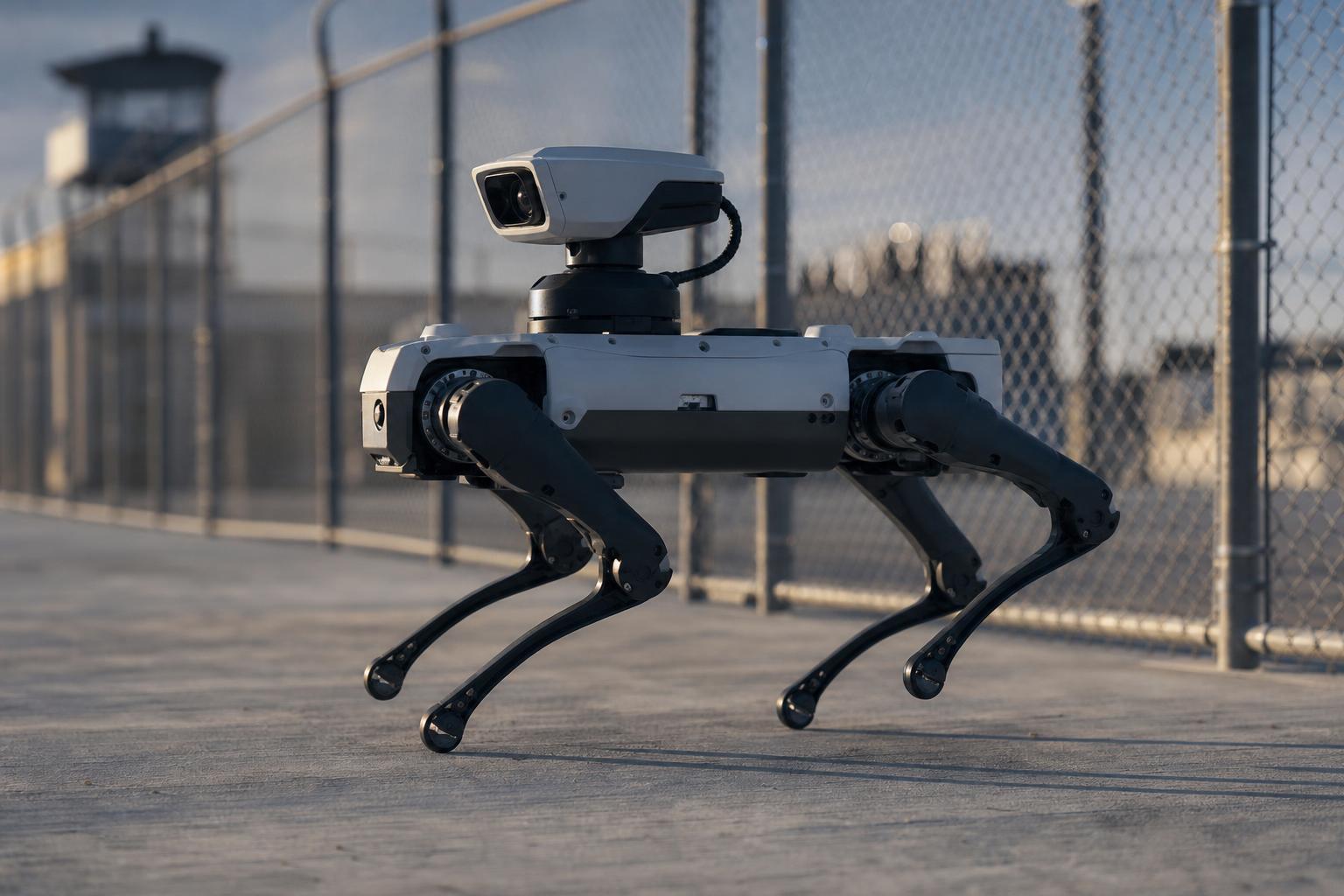
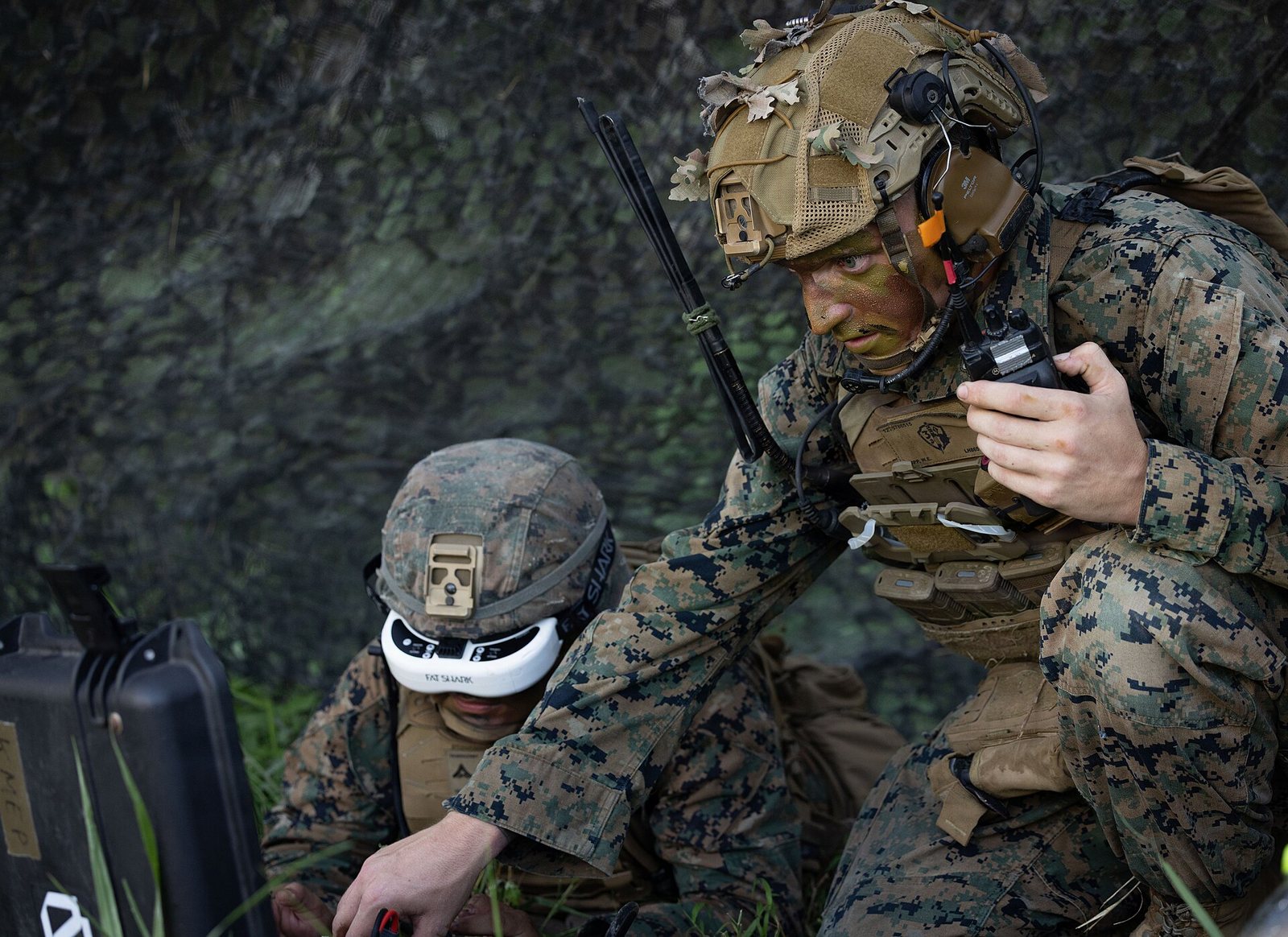
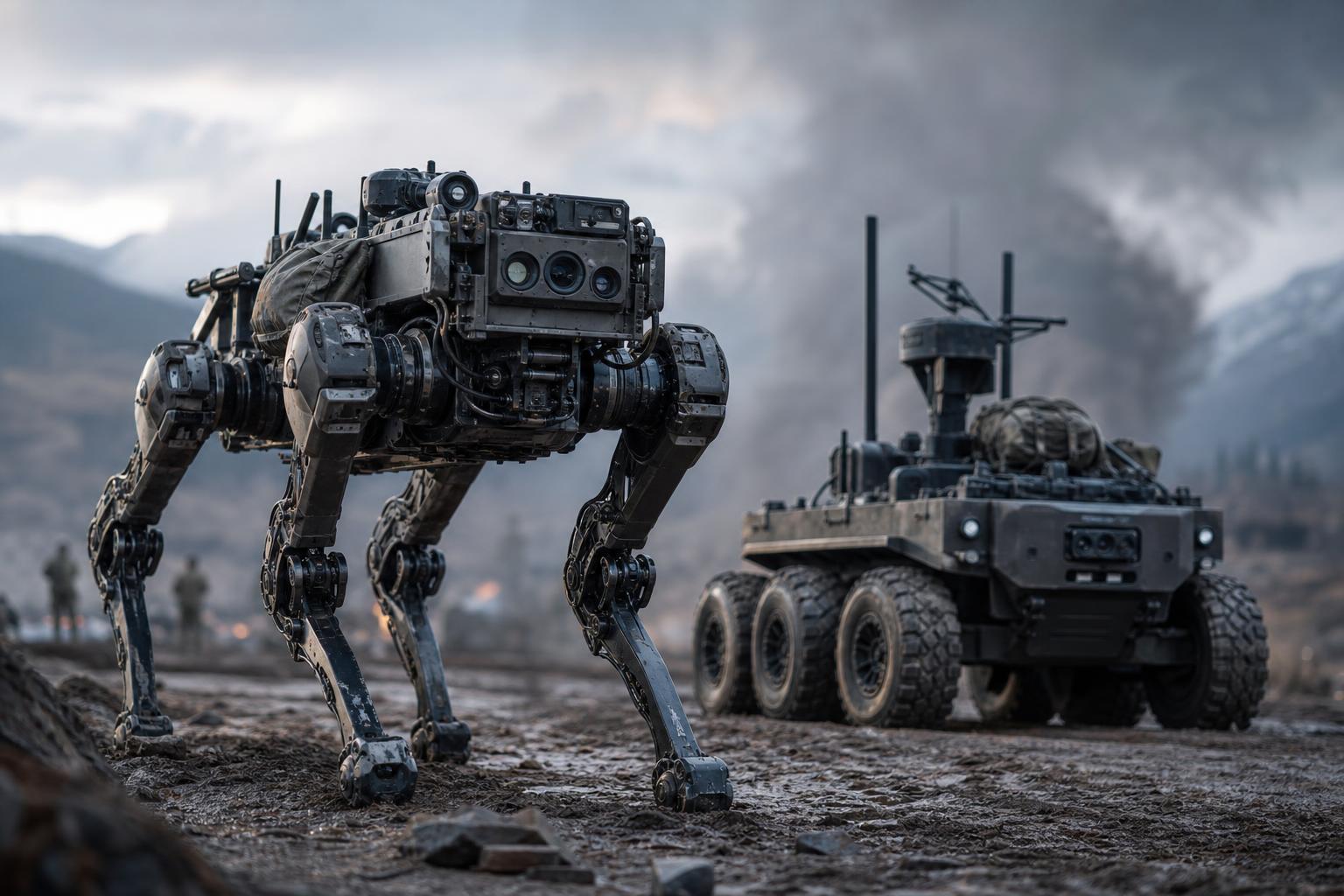
The Oct. 14 training at Yangpyeong Training Ground used smoke drones, multipurpose unmanned ground vehicles and quadruped robots to check mines and other hazards before manned systems followed, KTV reported.
KTV also reported that the Army plans to link Army TIGER+ with the government’s three megaprojects in semiconductors, physical AI and AI data centers, using field testing of civilian technology and feeding operational data back into AI improvement.
Newsis reported that the Oct. 14 Yangpyeong exercise showed AI, robots and unmanned systems integrated with existing forces, including reconnaissance drones transmitting live video to a command post and an AI-based command-decision support system recommending fire assets.