South Korea approves nuclear submarine program and five other defense projects
The Defense Project Promotion Committee greenlit a domestic nuclear-powered submarine development effort, a new command helicopter, and four other acquisition programs.
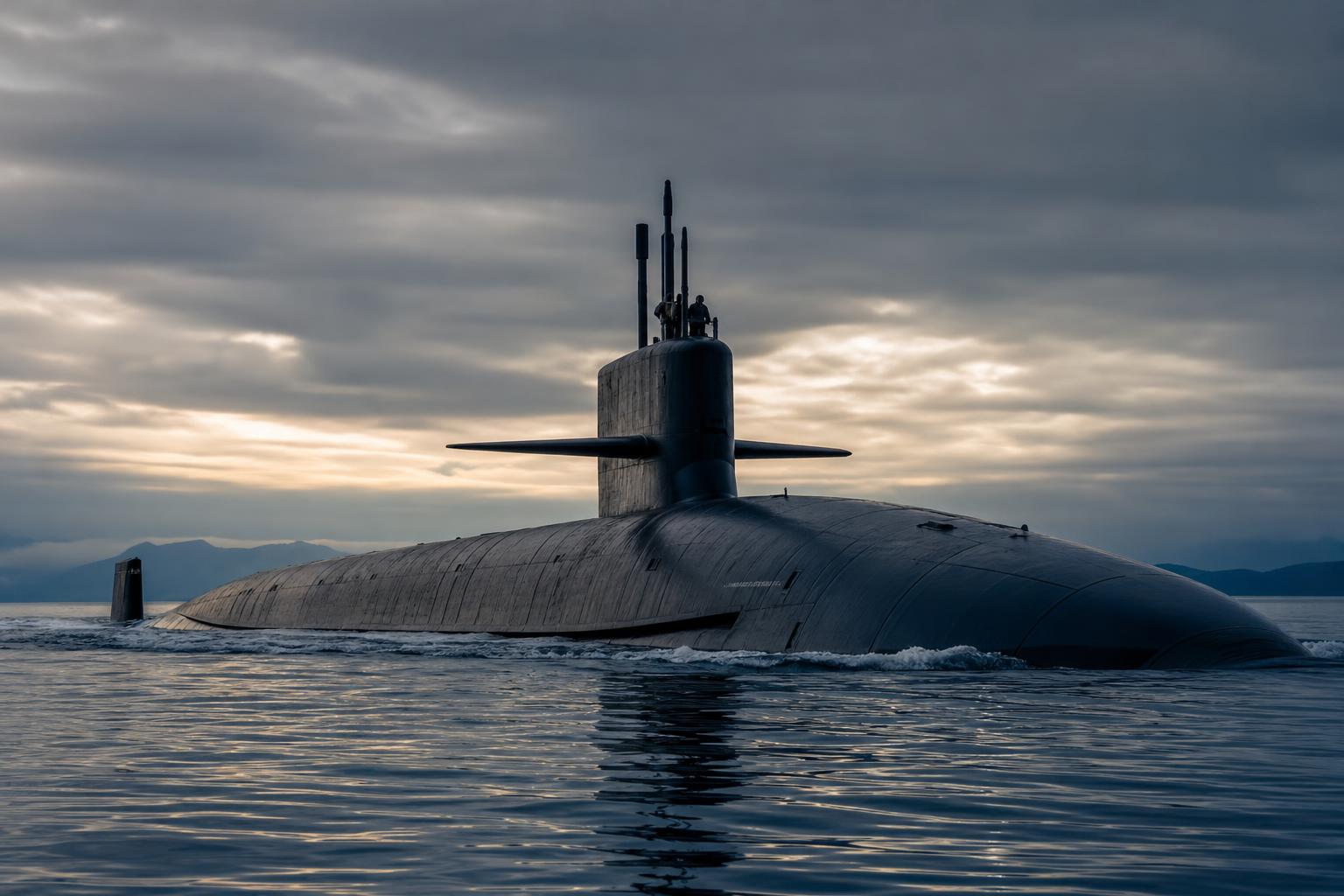
South Korea’s Defense Project Promotion Committee approved a domestic nuclear-powered submarine development program and five other defense acquisition projects at its 179th meeting on Nov. 6, the Defense Acquisition Program Administration (DAPA) announced.
The committee, chaired at the Ministry of National Defense, approved the basic strategy for the Jangbogo N program, which aims to secure a nuclear-powered submarine through domestic research and development. DAPA said the submarine will have improved submerged endurance and mobility compared with existing submarines.
The program is expected to strengthen deterrence against North Korean nuclear and missile threats and contribute to an underwater kill chain, according to DAPA. The project is scheduled to begin in 2027, with operational deployment expected in the late 2030s. Total program cost is still under analysis.
The committee also approved a revised basic strategy and a second follow-on mass production plan for the TICN Block I-2 Tactical Multi-band Multi-role Radio (TMMR) program. The TMMR is a software-defined radio for voice and data communications within the Tactical Information Communication Network. The program runs from 2020 to 2028 with a total budget of approximately $883 million (1.2 trillion won).
For the Harbor Security Boat-II program, the committee approved a basic strategy to develop a replacement for aging harbor security boats with improved combat capability and operational endurance. The project will run from 2028 to 2037 with a budget of about $450 million (611 billion won). DAPA said the program will integrate basic design with detailed design and lead ship construction for the first time in a naval vessel project, shortening the schedule and reducing costs.
The committee approved a basic strategy for an unmanned surface vessel for mine countermeasures, to be developed domestically from 2028 to 2038 with a budget of about $435 million (591 billion won). The system is intended to search for and neutralize mines while reducing risk to manned ships and securing sea lanes and major ports.
A basic strategy was also approved for the Tactical Surface-to-Surface Guided Weapon-I Block-II program, which will develop a missile and launcher with about 30 percent greater range than the existing Ure tactical missile. The project runs from 2028 to 2036 with a budget of about $394 million (536 billion won), and is intended to destroy hardened artillery positions threatening the capital region.
Finally, the committee selected Lockheed Martin’s S-92A+ as the next command helicopter to replace the current fleet starting in 2031. The program runs from 2025 to 2031 with a total budget of about $643 million (873 billion won). DAPA said the new helicopter will feature modernized survivability and mission equipment, and that aircraft modification and maintenance technology transfers and parts exports by domestic small and medium-sized enterprises are expected to benefit the Korean defense industry.