Remains of Korean War soldier identified 74 years after death at White Horse Hill
The remains of Sgt. Ahn Seong-ho, killed in the 1952 Battle of White Horse Hill, were identified two months after excavation and returned to his daughter on Nov. 3.
The remains of a South Korean soldier killed in the 1952 Battle of White Horse Hill were identified and returned to his family on Nov. 3, the Ministry of National Defense announced.
The soldier, Sgt. Ahn Seong-ho, served with the 9th Infantry Division and died on Oct. 8, 1952, during the battle. His remains were excavated in July near White Horse Hill in Cheorwon, Gangwon Province, and identified in September through DNA analysis, according to the ministry.
Ahn is the 15th fallen service member identified this year by the ministry's Agency for KIA Recovery and Identification, and the 283rd to be returned to his family since the excavation program began in April 2000.
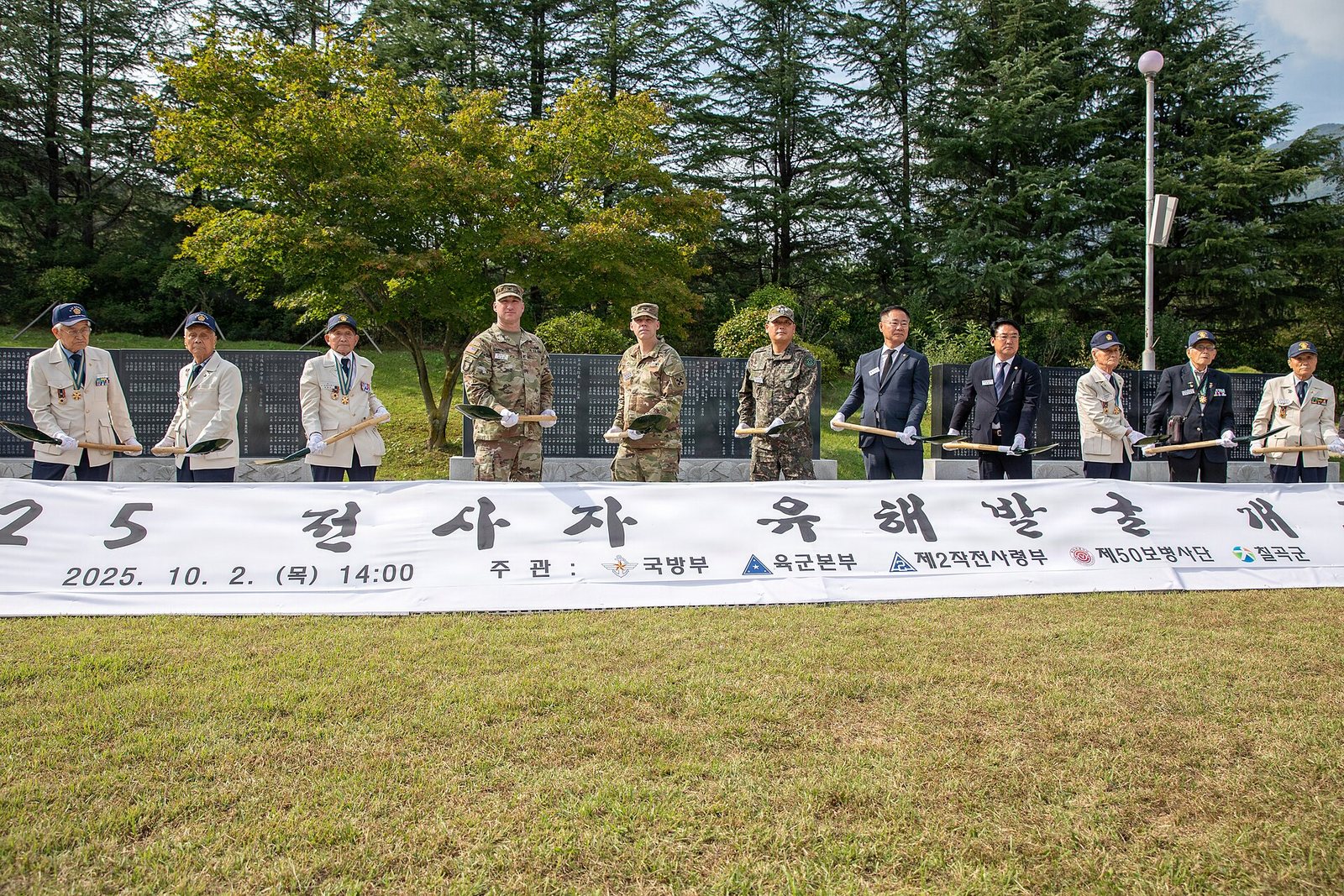
The identification is the first since excavation work at White Horse Hill resumed in October last year after being suspended in November 2022. The ministry attributed the rapid identification to several factors: the remains were nearly complete because civilian access to the area had been restricted for over 70 years, an identification tag was found with the remains, DNA samples from family members had been collected in advance, and the agency is the only organization in South Korea that independently conducts the entire excavation process.
Family DNA samples were collected in 2010 and 2014. Ahn's younger brother, Ahn Seong-bok, provided a sample in 2010, and his only daughter, Ahn Gyeong-hee, provided one in 2014. In September, two months after the remains were recovered, DNA analysis confirmed the father-daughter relationship.
Ahn was born in September 1927 in Sinan County, South Jeolla Province, as the eldest of five siblings. He enlisted on July 20, 1951, and served in the 30th Regiment of the 9th Infantry Division.
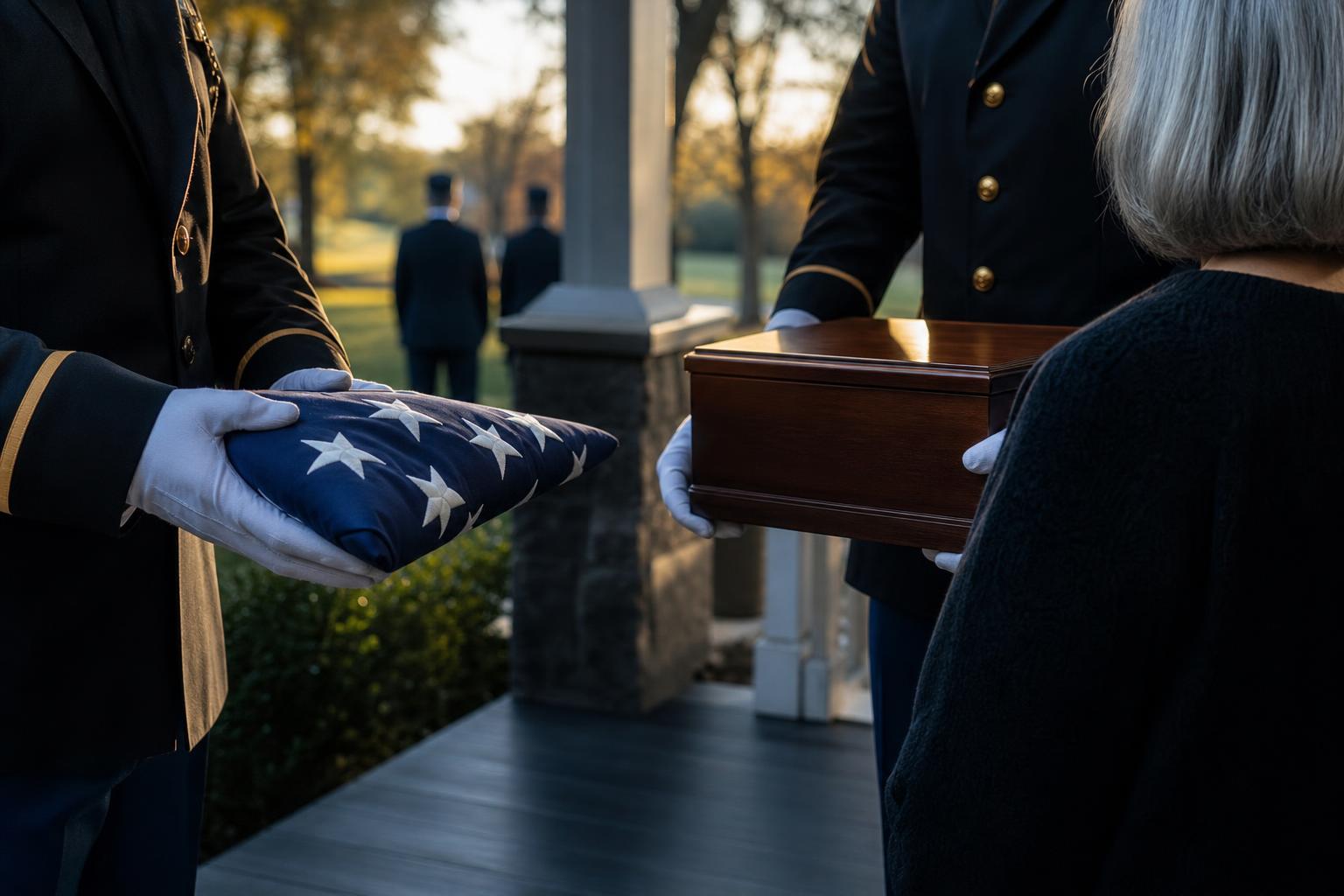
The return ceremony was held at the home of his daughter, Ahn Gyeong-hee, in Icheon, Gyeonggi Province, at the family's request. "When I heard they found my father's remains, I couldn't sleep properly for days," she said. "Now I want to let go of all the sorrow in my heart and cry my heart out in front of my father's grave."
Brig. Gen. Jeon Byeong-hee, head of the recovery agency, presented the family with a return plaque, a notification of identification, and a box containing excavated personal effects. He also explained the soldier's participation route, the excavation process, and the identification procedure.
"I express deep respect for the noble sacrifice and dedication of the deceased, who waited alone for his family for over 70 years at the battlefield without being recovered amid the fierce back-and-forth battles," Jeon said. "We will continue to do our best to recover the remains of fallen heroes and to heal the pain of the remaining bereaved families by focusing our capabilities, including collecting DNA samples from family members."
The ministry urged the public to participate in the identification program. Relatives up to the eighth degree of kinship on both the paternal and maternal sides can provide DNA samples. If a soldier is identified through the provided DNA, a reward of $7,447 (10 million won) is paid. Those unable to visit in person can call 1577-5625 for assistance.