NASA's SWIFT telescope to re-enter atmosphere, no risk to Korean Peninsula
KASA says the 1.5-ton gamma-ray observatory will re-enter around 8:46 p.m. on Nov. 4, but its orbit keeps it far south of Korea.
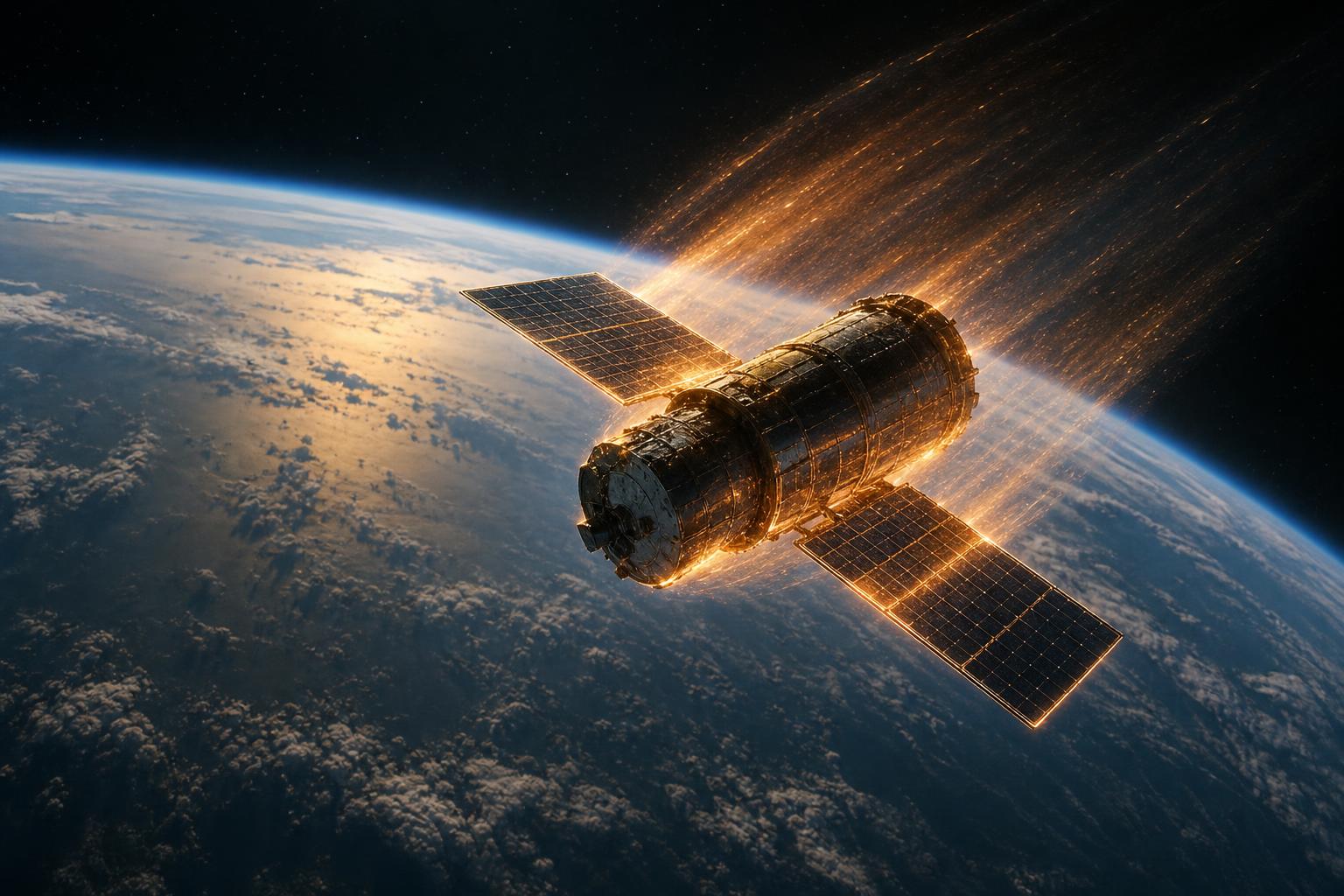
The Korea AeroSpace Administration (KASA) said on Nov. 4 that NASA's SWIFT space telescope is expected to re-enter Earth's atmosphere at around 8:46 p.m. that evening, with a margin of plus or minus two hours, but there is no possibility of debris falling on the Korean Peninsula.
The Korea Astronomy and Space Science Institute, a space environment monitoring agency, predicted the re-entry time based on analysis as of 8 a.m. on Nov. 4. Other agencies have produced similar estimates: the U.S. Combined Space Operations Center (CSpOC) predicted around 7:47 p.m. with a margin of plus or minus five hours, and the European Space Agency (ESA) predicted around 9 p.m. with a margin of plus or minus 4.8 hours.
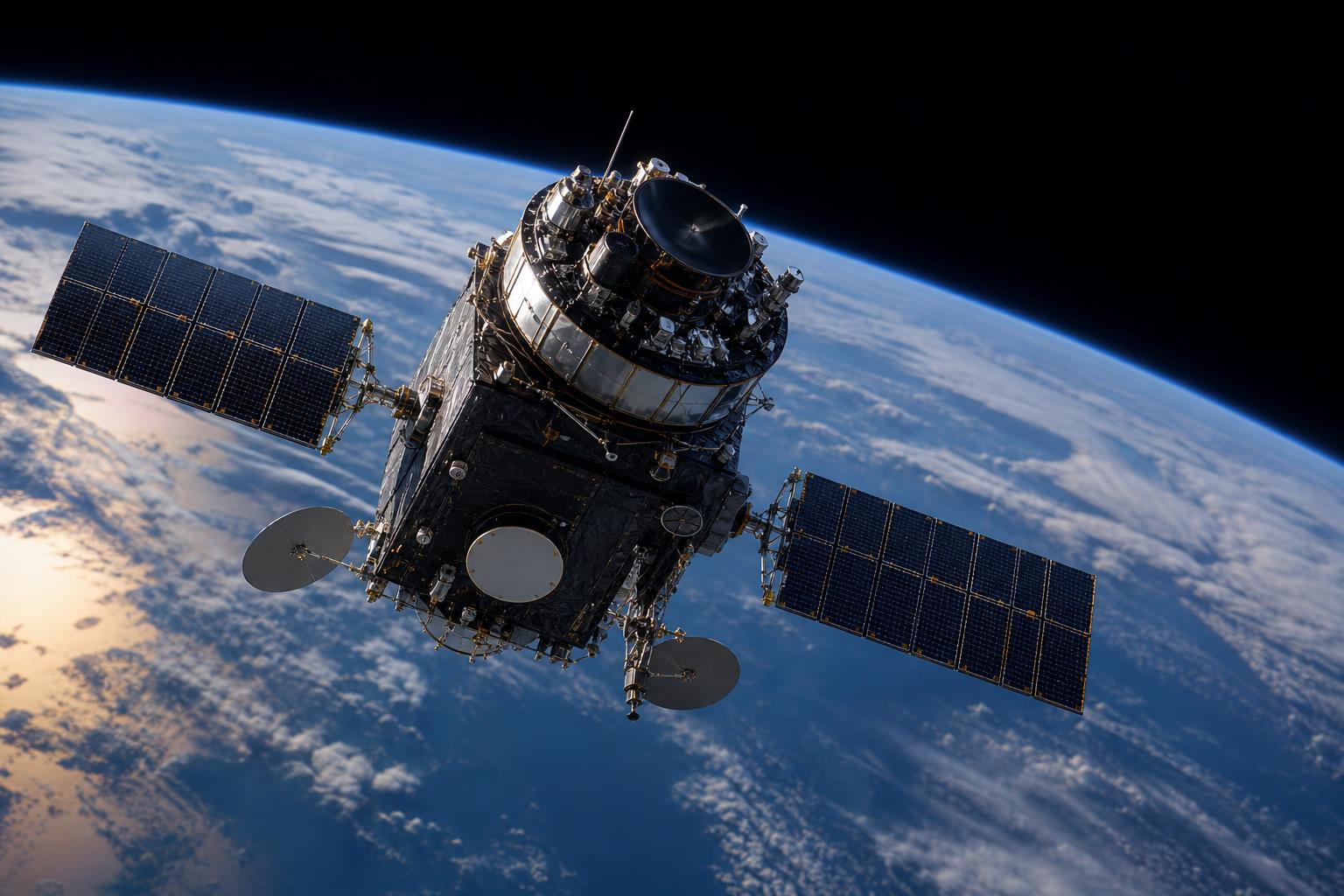
SWIFT is a satellite weighing about 1.5 tons that was launched in November 2004 to observe gamma-ray bursts (GRBs). After about 22 years of operations, it was decommissioned on Oct. 20 and has since been in an uncontrolled state, gradually losing altitude and currently orbiting at about 199 to 205 kilometers.
The telescope's orbital inclination is 20.5 degrees, meaning it passes only over regions between 20.5 degrees south latitude and 20.5 degrees north latitude. Because the Korean Peninsula lies north of 33 degrees north latitude, it is not included in the possible impact zone.
KASA said the situation does not warrant the 'attention' level of the crisis alert because the Korean Peninsula is outside the possible impact area. However, given that this is an uncontrolled re-entry of a large satellite, the agency plans to continue monitoring the situation with the Korea Astronomy and Space Science Institute until re-entry is complete.
KASA Administrator Oh Tae-seok said, "There is no possibility of the SWIFT space telescope falling on the Korean Peninsula, but we will closely monitor the situation with relevant agencies until re-entry is complete." He added, "We will continue to strengthen our monitoring and response capabilities to protect public safety from space risks such as falling objects and collisions."