KRIT reviews sanctions for five LIG D&A defense R&D projects
The review adds a second regulatory track to LIG D&A's procurement problems and could affect its role in the KF-21 long-range air-to-air missile program.
The Korea Research Institute for Defense Technology Planning and Advancement (KRIT) is conducting a sanctions review over five LIG Defense & Aerospace (LIG D&A) core-technology research and development projects, The Fact reported on Nov. 10.
The review is considering whether to restrict LIG D&A's participation in national R&D projects and whether to impose monetary sanctions under the National Research and Development Innovation Act, according to The Fact.
The sanctions review is separate from the Defense Acquisition Program Administration's (DAPA) earlier decision to restrict LIG D&A from bidding for 24 months over bribery and cost-fraud allegations, The Fact reported.
The confirmed result of the KRIT review is expected to be notified at the end of November 2026, according to The Fact.
LIG D&A applied to the Seoul Administrative Court to suspend execution of DAPA's bid-restriction measure, and the court held a first hearing on Nov. 5, 2026, before requesting additional submissions from both sides, The Fact reported. A decision on the temporary suspension request is expected before Nov. 20, 2026.
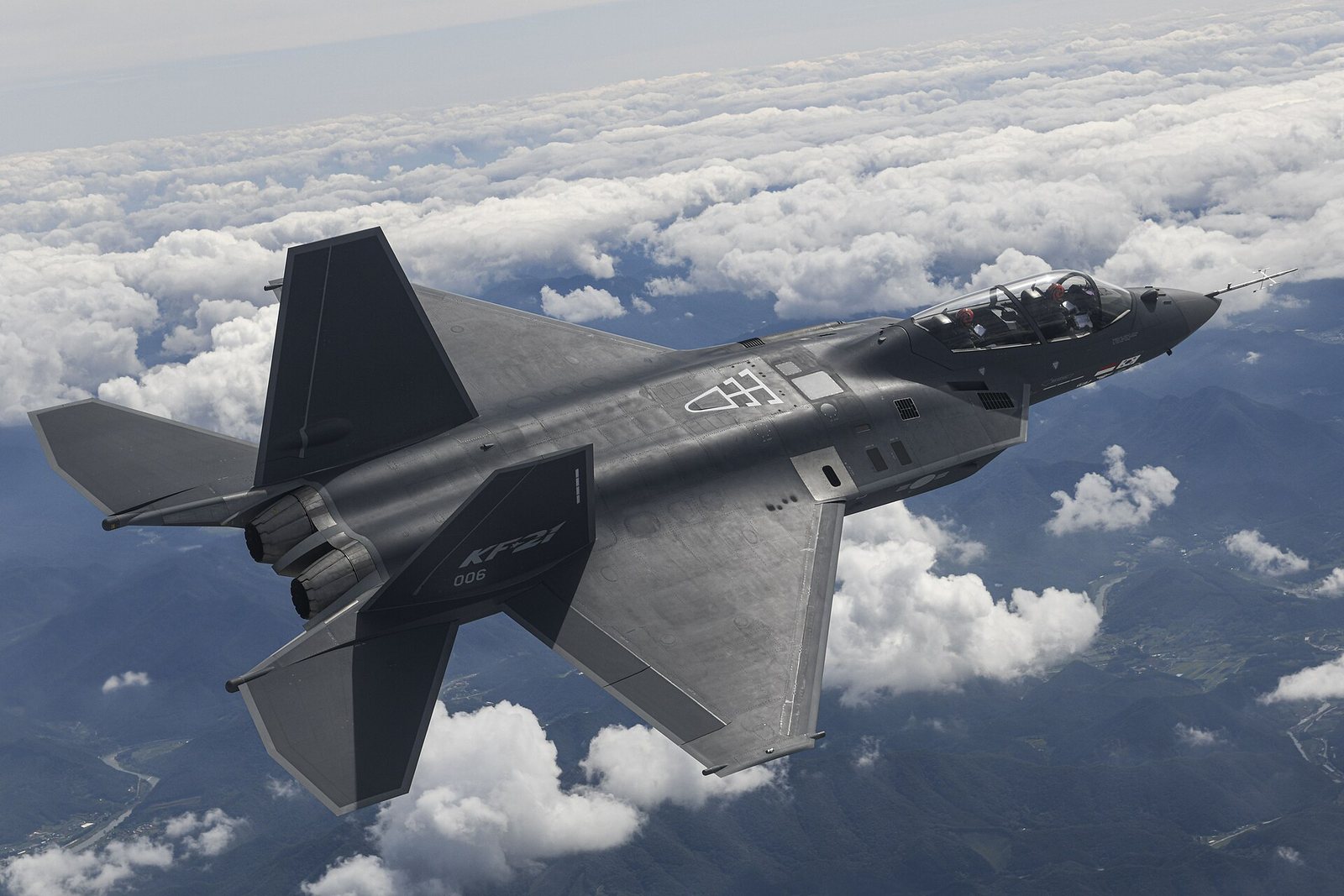
The Agency for Defense Development selected LIG D&A on Oct. 29, 2026, as preferred bidder for system-integration work on the approximately $1.43 billion (1.92 trillion won) KF-21 long-range air-to-air guided missile system-development project, according to The Fact.
LIG D&A secured preferred-bidder status in five of the project's 12 sub-tasks, including the complete system product, tail-fin actuator, integrated electronics, inertial navigation system and seeker, The Fact reported.
The KF-21 missile project is scheduled for a main contract before year-end, and the effectiveness of the bid restriction and the additional sanctions review are variables for the project schedule, according to The Fact.
LIG D&A said it regretted that sanctions were imposed at the prosecution-indictment stage before a first-instance ruling in the bribery case and that it regards the measure as unfair before exact facts have been established, The Fact reported.