KASA plans annual Nuri launches through 2032, including military microsatellites and reusable rocket tests
The roadmap assigns defense and civil payloads to each flight and sets milestones for reusable launch vehicle development.
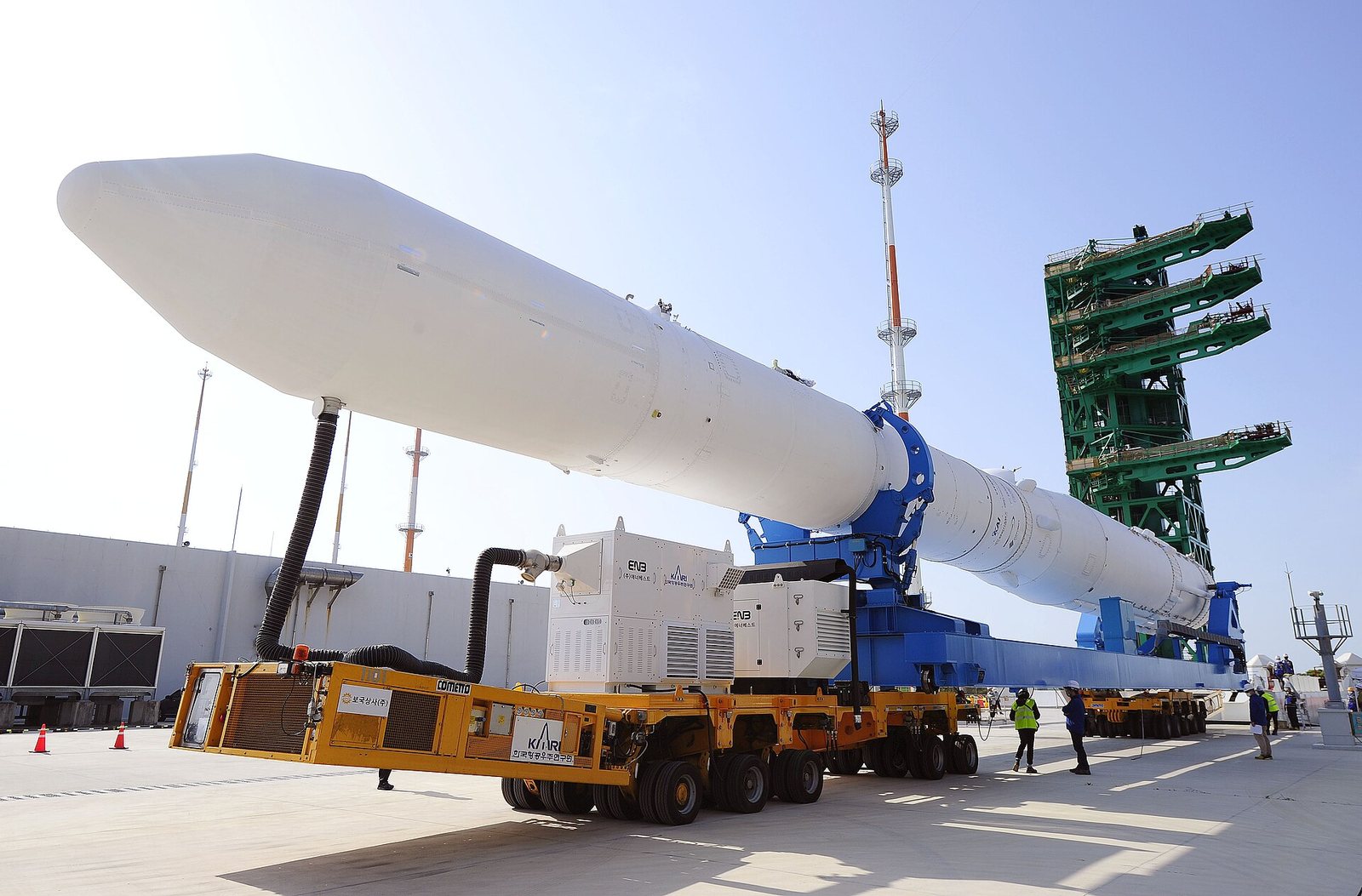
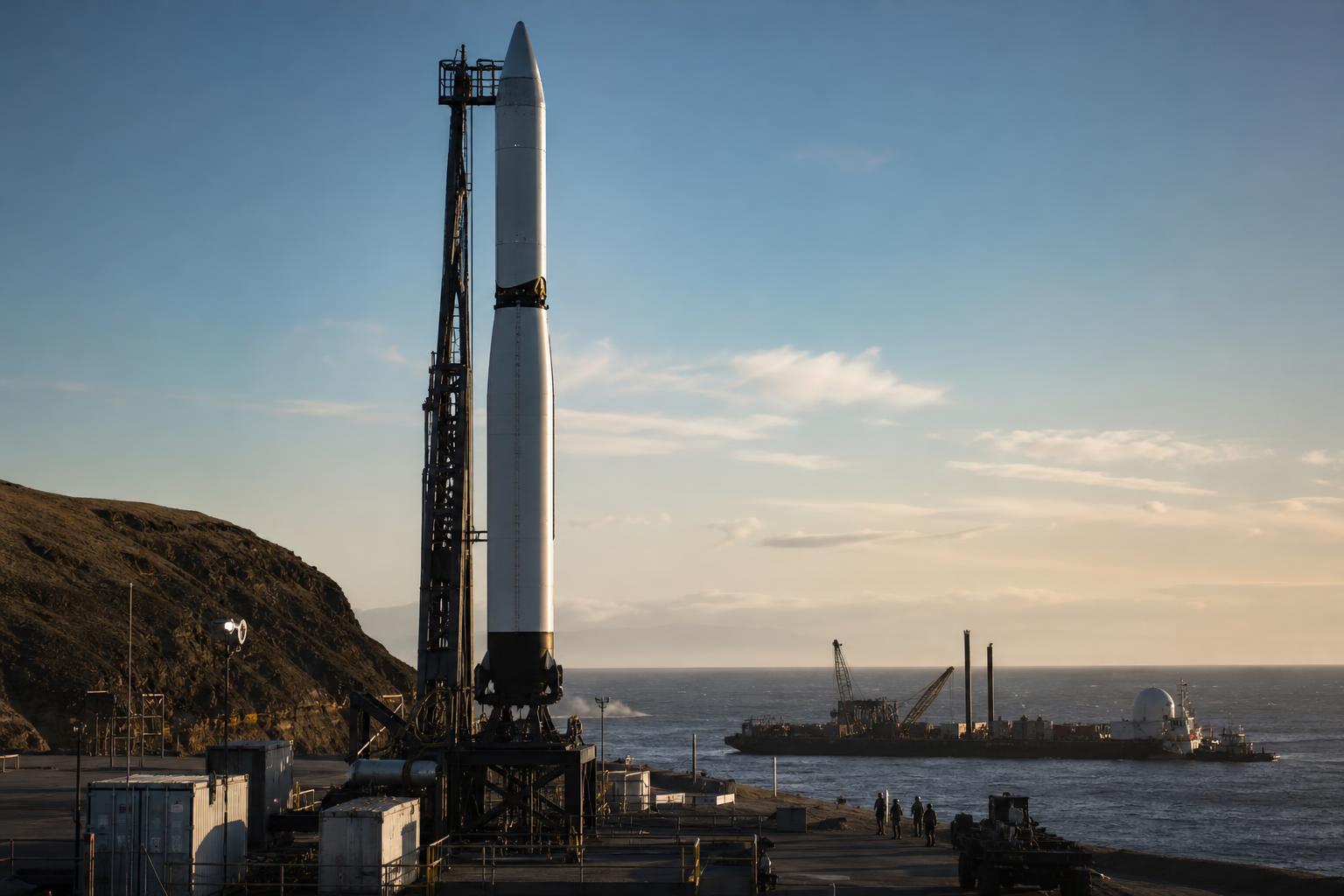
The Korea AeroSpace Administration (KASA) plans to launch the Nuri rocket at least once every year from 2027 to 2032 to carry public-sector and defense satellites into space, Administrator Oh Tae-seog said at a Cabinet meeting on Oct. 20, according to Chosun Biz.
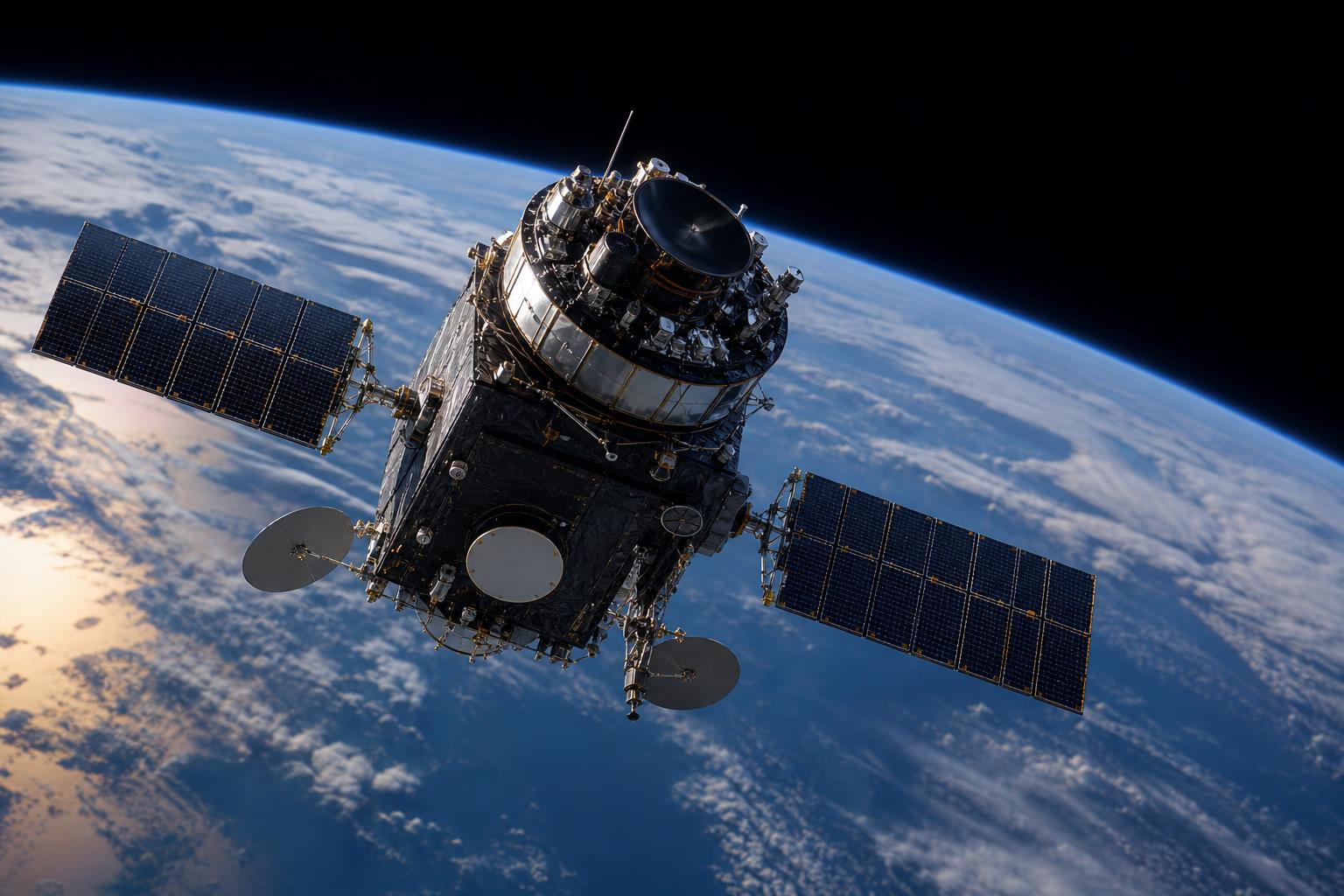
The 2027 sixth Nuri launch is slated to carry Compact Advanced Satellite 7-11, and the 2028 seventh launch is slated to carry Next-Generation Medium Satellite 5, Chosun Biz reported.
The 2029 eighth Nuri launch is assigned one lunar-orbit communications satellite, the 2030 ninth launch is assigned two low-Earth-orbit communications satellites, and the 2030 tenth launch is being pursued for a small lunar lander, according to Chosun Biz.
The 2031 eleventh Nuri launch is planned to carry four electro-optical satellites for the microsatellite system, while the 2032 twelfth launch is planned to carry Arirang 8 and three companion satellites, Chosun Biz reported.
The microsatellite system is a dual-use civil-military satellite system jointly promoted by the Defense Acquisition Program Administration (DAPA), KASA and the Korea Coast Guard, with the Agency for Defense Development overseeing development, according to Chosun Biz.
The government aims to raise Nuri’s launch success rate to more than 90% through repeated launches and will review additional Nuri launches if demand arises for low-Earth-orbit communications satellites or space-data-center demonstrations, Chosun Biz reported.
For reusable launch-vehicle development, the government plans a low-altitude vertical takeoff-and-landing flight around 500m by 2028 using a 12m test vehicle, and a vertical takeoff-and-landing test around 1000m in 2032 using a roughly 50m first stage of the next-generation launch vehicle, according to Chosun Biz.
The next-generation launch vehicle is being developed by 2032 with a target payload capacity of 7t to 500㎞ altitude, compared with Nuri’s 2.2t, Chosun Biz reported.