KASA plans 2028 private launcher program for Korea's 2035 low-orbit satellite network
The agency aims to share launch demand with private companies under a COTS-style model, with a target of operational private launch vehicles by 2033.
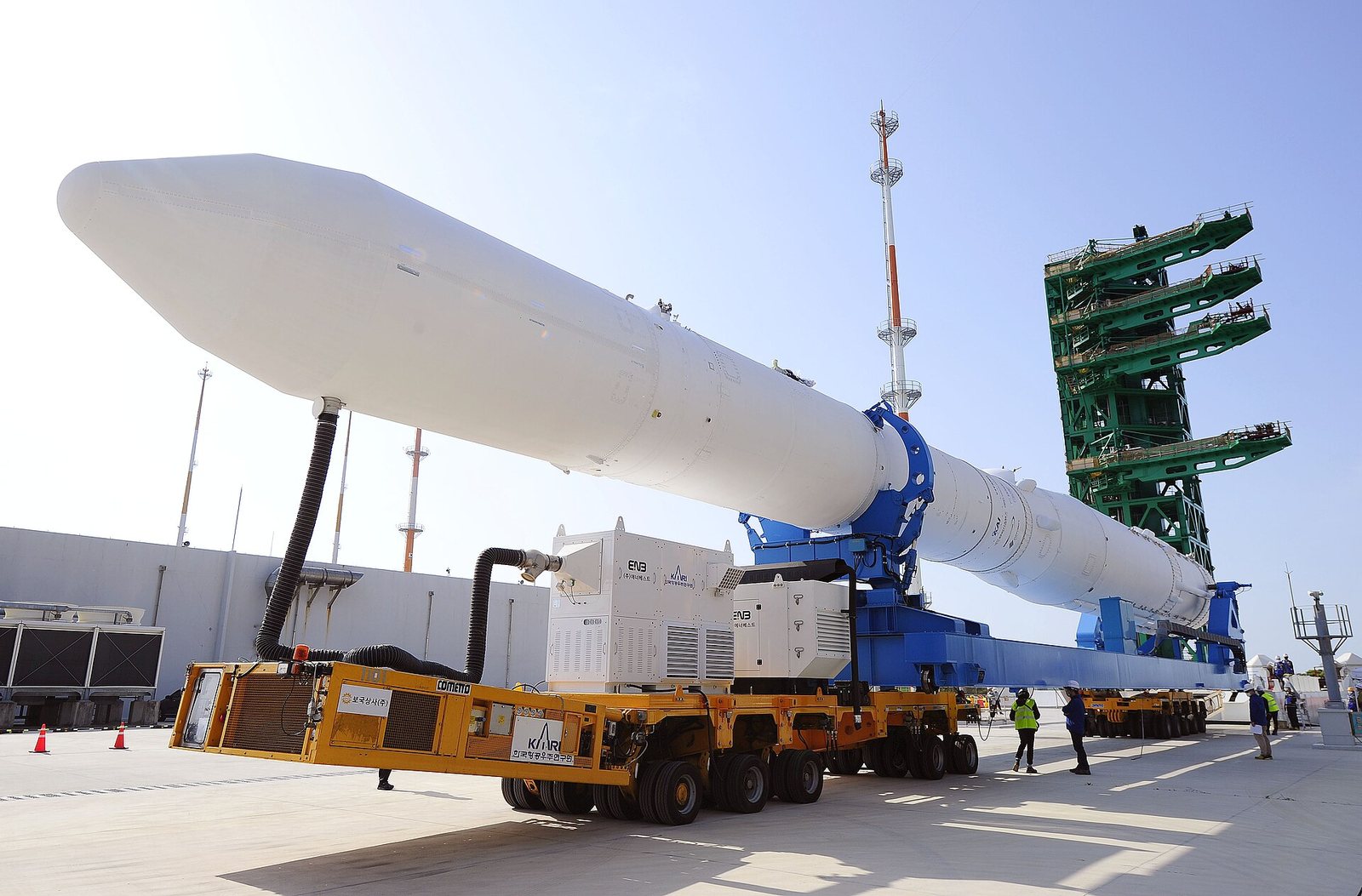
The Korea AeroSpace Administration (KASA) is planning a launch-vehicle development support program starting in 2028 to enable Korean private companies to launch satellites for an independent low-Earth-orbit satellite communications network, ChosunBiz reported on Nov. 9.
KASA Administrator Oh Tae-seok said in an Oct. 29 interview with ChosunBiz that the agency is planning the program so industry can share part of the launch demand for the network.
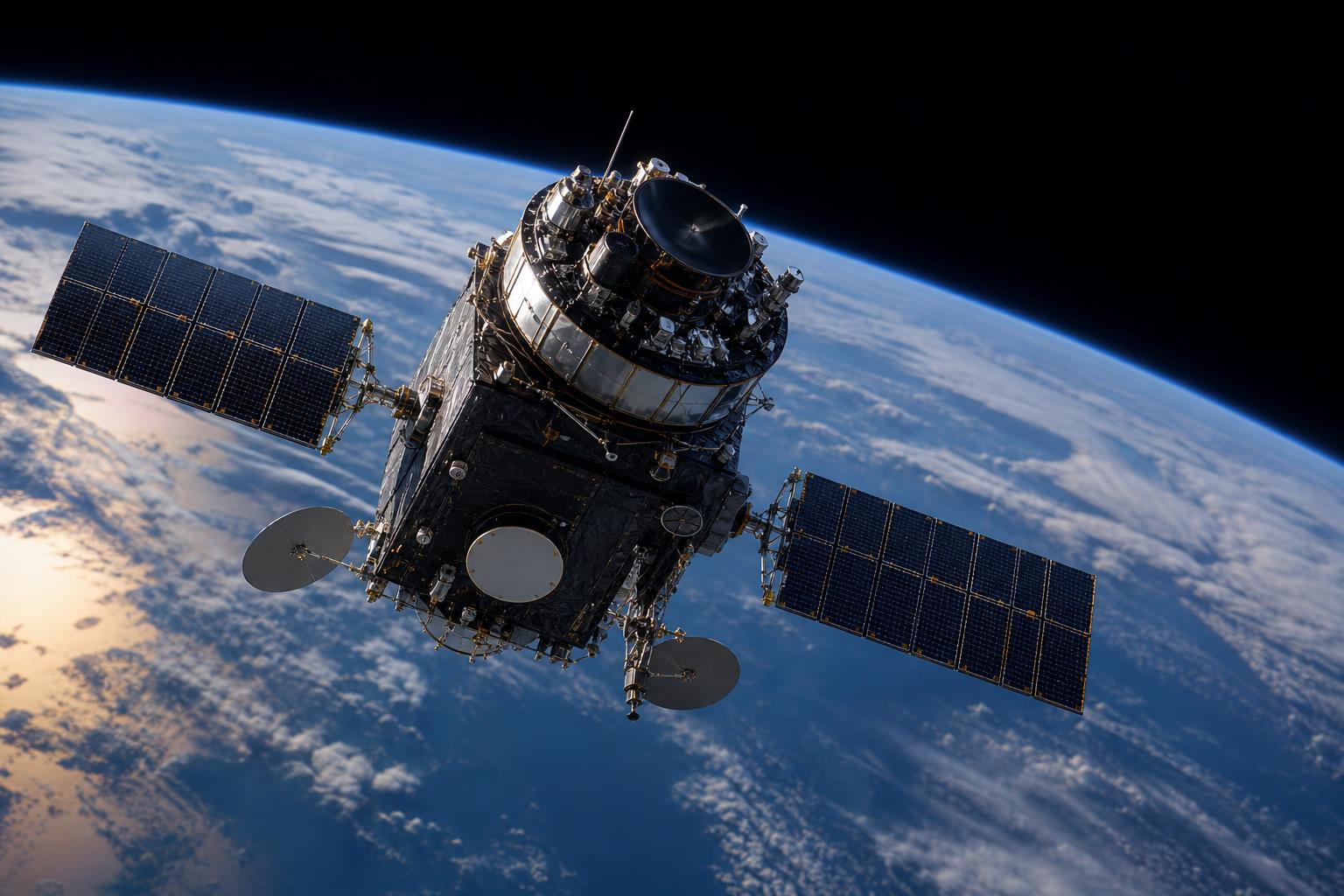
The government decided at the National Space Committee in July to build an independent low-Earth-orbit satellite communications network by 2035. The government is reviewing deployment options of 128, 256 or 512 communications satellites, with estimated satellite manufacturing, launch and operations costs of about $10.3 billion (14 trillion won) to $10.3 billion (14 trillion won) depending on network scale, ChosunBiz reported.
According to KASA analysis submitted to the National Assembly and cited by ChosunBiz, even using the next-generation launch vehicle seven times during 2033–2035 would put only about 62 satellites into orbit.
The target for actual operation of the private launch vehicle is 2033. A KASA official told ChosunBiz that 2033 is the deadline for handling the plan to build the low-Earth-orbit satellite network by 2035.
ChosunBiz reported that the planned project would model NASA’s Commercial Orbital Transportation Services (COTS) approach, setting stage-by-stage goals and providing funds when companies meet them.
A KASA official told ChosunBiz that the agency is considering a structure in which the government does not pay all development costs and companies invest their own funds at stages such as demonstrating launch-vehicle transport capability. The project cost and government-private cost-sharing ratio have not been set.
KASA plans to detail the business plan by the end of 2026 and seek budget funding next year, ChosunBiz reported.
In a separate ChosunBiz interview published on Nov. 9, Oh said Korea needs a SpaceX-style speed push to build the low-Earth-orbit satellite communications network on schedule.