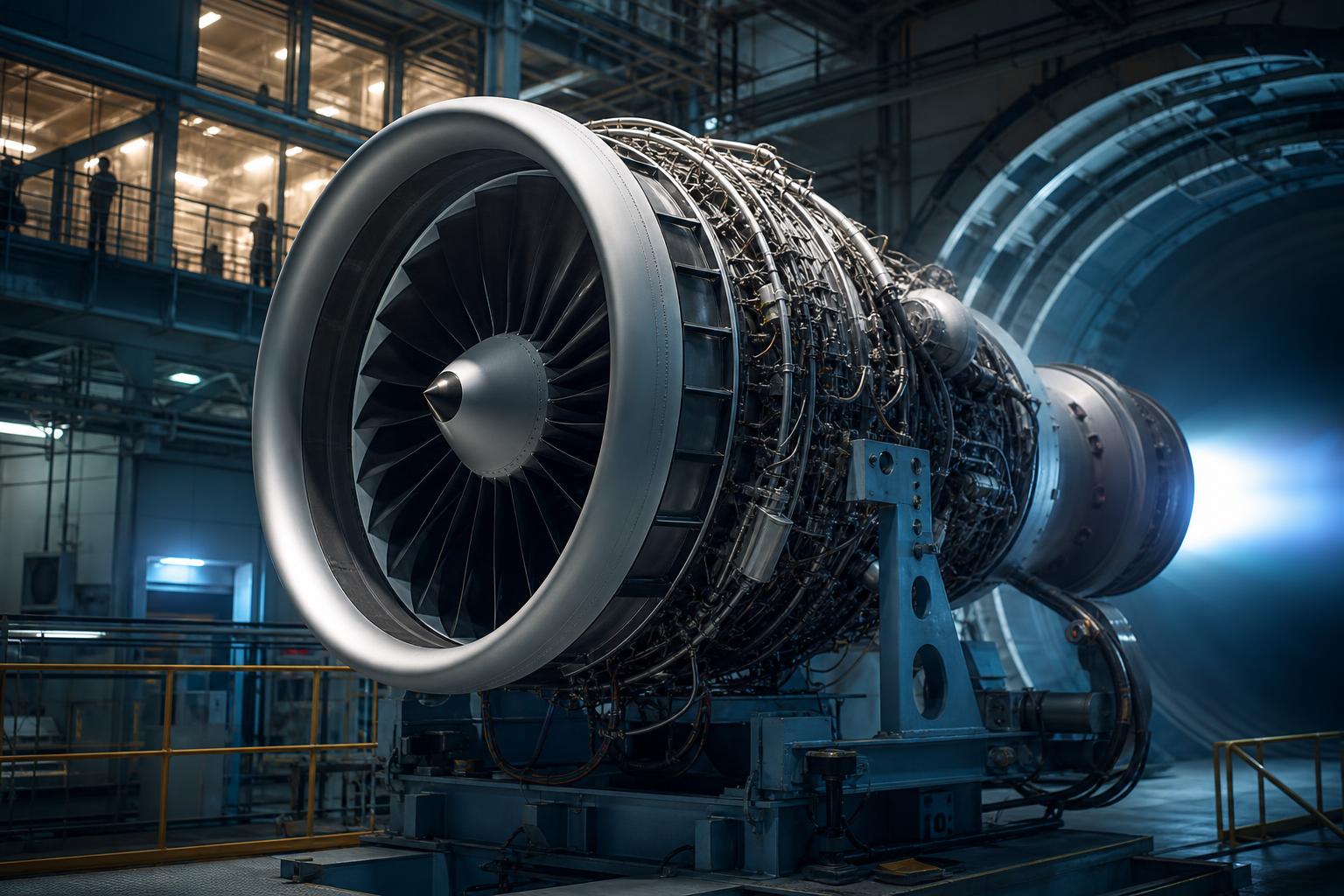
KASA hosts symposium on high-strength materials for aircraft engine structures
The event shared progress on a program to localize key engine structural components, including aluminum forgings, stainless steel housings and nickel-based superalloy castings.
The Korea AeroSpace Administration (KASA) held a symposium on high-strength materials and components for aircraft engine structures on Oct. 29 at the Daejeon Convention Center, the agency said. About 100 participants from companies, universities and research institutes attended the event, which was part of the Korean Institute of Metals and Materials fall conference.
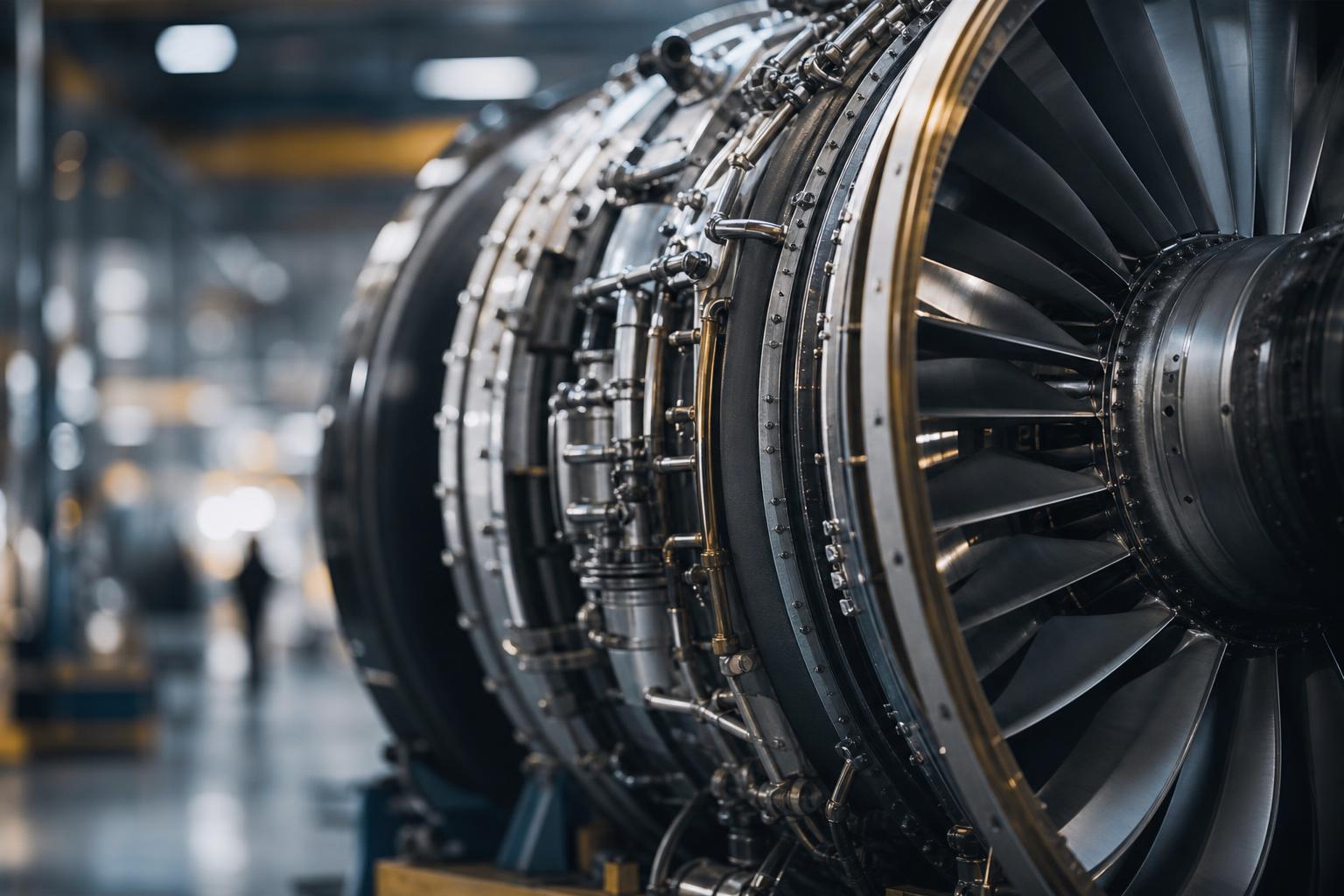
Materials and components for engine structures must maintain shape and function under high temperature, high pressure and repeated loads, directly affecting engine safety and performance. They require high strength, heat resistance and long-term reliability, along with linked capabilities from material design to manufacturing, property data, testing and certification.
KASA noted that a significant portion of such components used domestically is imported, making localization important for independent engine and aircraft development. In response, the agency has been pursuing the "Development of High-Strength Structural Materials and Components for Aviation Gas Turbine Engines" program since 2026.
The program targets localization of key static structural components, including aluminum castings and forgings for lightweight frames, stainless steel materials for housings, and nickel-based superalloy castings for combustor modules.
Morning sessions covered technology development linked to aviation systems, the domestic certification system for aviation materials, domestic and international technology trends, and the status and strategy of the high-strength materials program. Afternoon sessions addressed alloy manufacturing and processing, ring forging, evaluation of aluminum and stainless steel, nickel-based superalloy manufacturing and evaluation, and material database construction for certification.
Participants agreed that applying developed materials to actual engines requires not only material performance but also stable manufacturing processes, quality data accumulation and certification response capabilities. They emphasized the importance of systematically accumulating material property data and linking it to certification to expand use of domestic components.
KASA Administrator Oh Tae-seok said, "Since aircraft engines operate for long periods at high temperatures and pressures, the performance and reliability of high-strength, heat-resistant materials applied to structures are directly linked to engine safety." He added that it is important to secure technologies step by step from material development to manufacturing, testing and certification.
Oh said KASA will reflect the technology status and expert opinions shared at the symposium in its research and development, and provide support so that outcomes lead to actual engine application and participation of domestic companies in the supply chain.