KASA Hosts First Space Optical Communications Workshop
The event in Daejeon gathered 100 experts from 25 organizations to share policy direction and R&D achievements in laser-based space communications.
The Korea AeroSpace Administration (KASA) held its first Space Optical Communications Workshop on Nov. 24 at the Onoma Hotel in Daejeon, bringing together about 100 experts from 25 domestic research institutes, universities, and companies.
The workshop was hosted by KASA and organized by the Korea Astronomy and Space Science Institute, according to a KASA press release. KASA Administrator Oh Tae-seok attended the event.
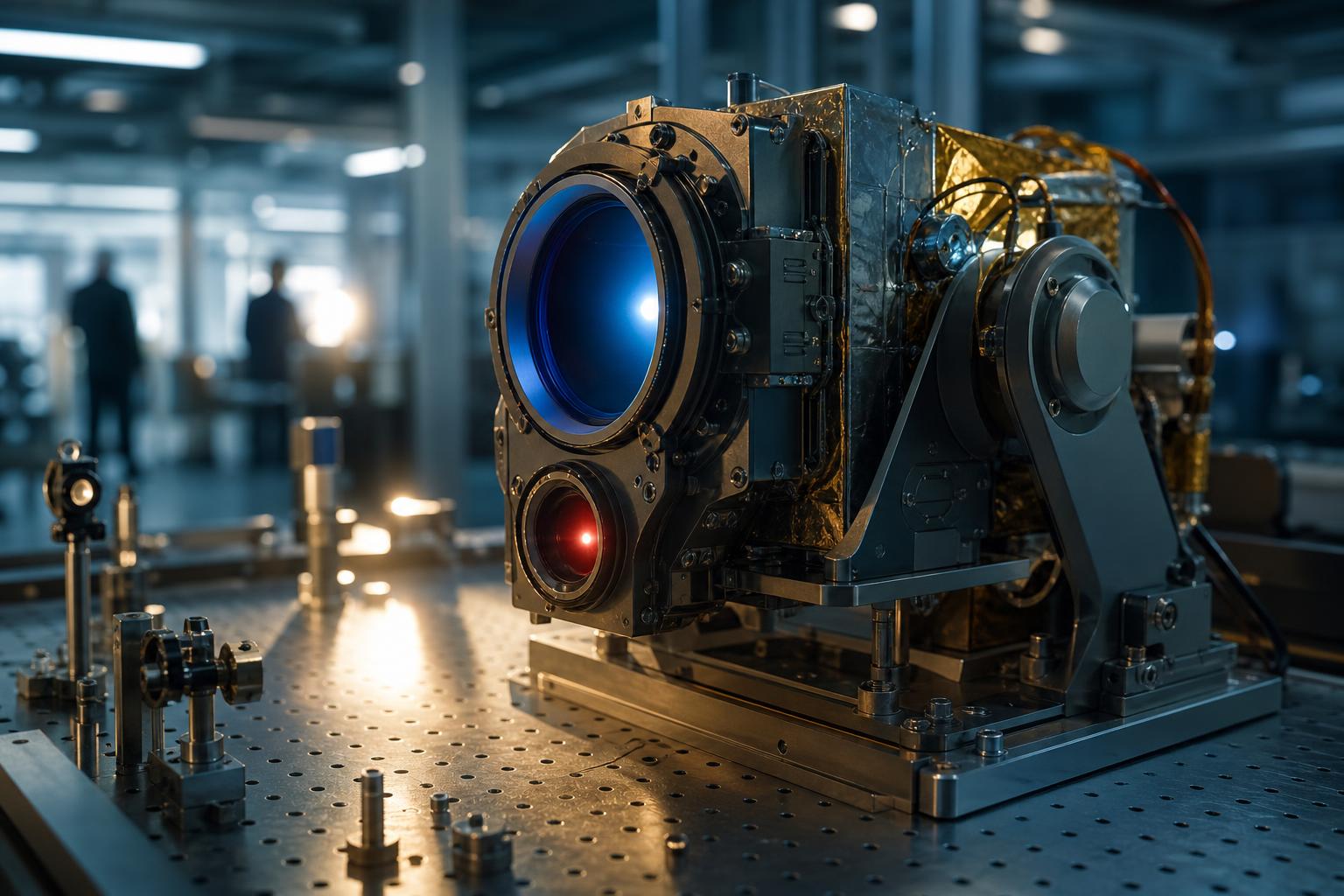
Space optical communications uses lasers to exchange data between space and ground, enabling much faster transmission of larger volumes of data than conventional radio-frequency communications. The technology allows communication equipment to be smaller, lighter, and lower in power consumption, making it a key enabling technology for lunar and deep-space exploration that must send high-resolution imagery and other large datasets over long distances.
KASA shared its policy direction for building Earth-Moon optical communications infrastructure through a lunar orbit communications satellite development program. Researchers presented domestic R&D achievements across the full range of space optical communications, including optical terminals, reception and signal processing, precision pointing and vibration control, satellite platforms, optical ground stations, and communication networks.
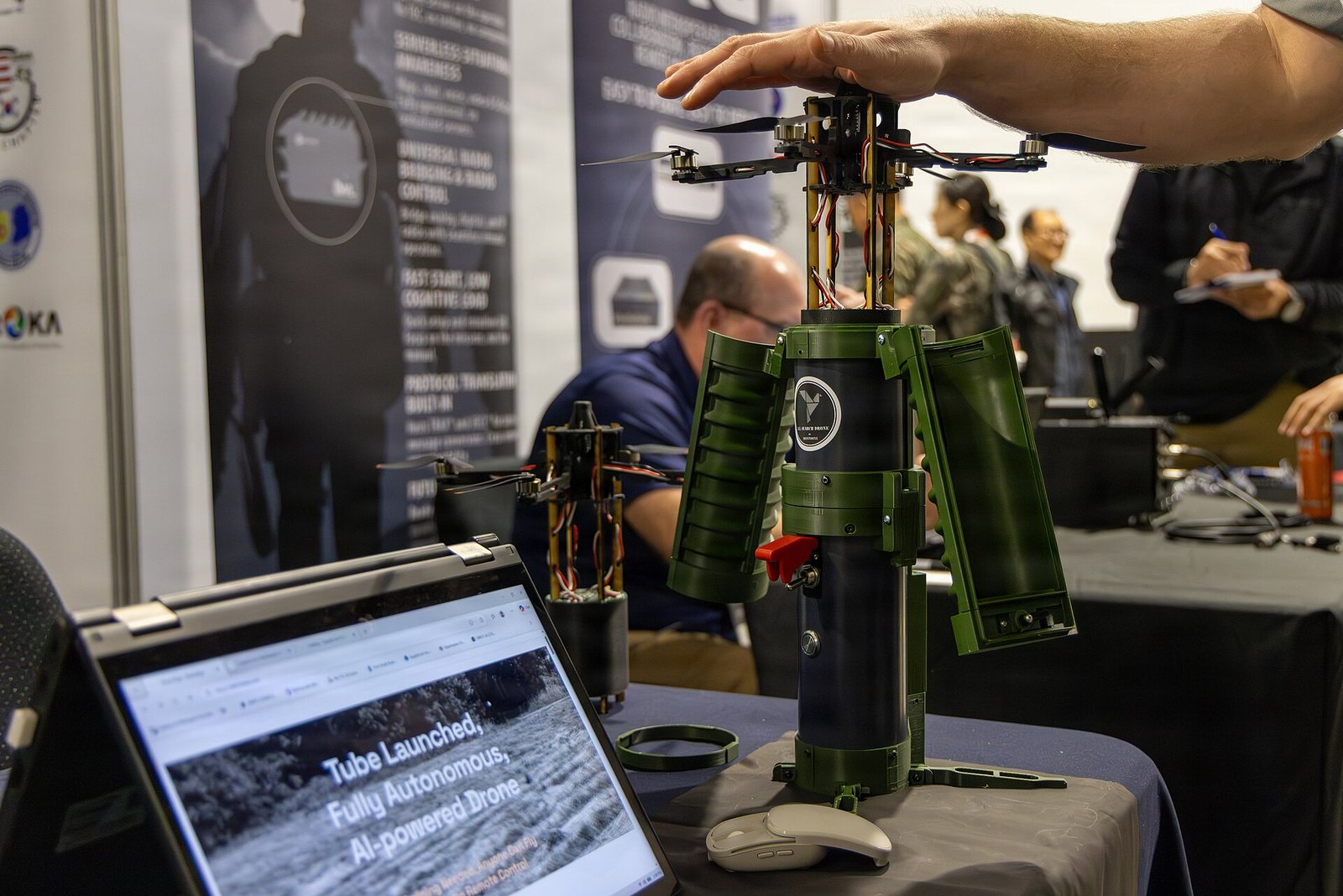
The workshop also covered NASA's deep-space optical communications status, international standardization trends, and 6G-based low-Earth orbit satellite optical communications. An exhibition and demonstration session allowed participants to see the development level of domestic technologies and exchange views for inter-agency cooperation.
"This workshop is a meaningful occasion to share space optical communications policy with industry, academia, and research institutes, and for researchers to confirm each other's capabilities," Administrator Oh said. "We will establish policies so that domestic industry, academia, and research institutes can cooperate to develop the space optical communications industry, including building Earth-Moon optical communications infrastructure and demonstrating related technologies through the lunar orbit communications satellite development program."