DAPA Hosts Seminar on Future CBRN Defense Systems with Drones and Robots
The seminar discussed unmanned and manned combined CBRN reconnaissance vehicles to counter North Korean threats and reduce troop exposure.
The Defense Acquisition Program Administration (DAPA) held a seminar on Oct. 28 at its Daejeon headquarters to discuss development plans for chemical, biological, radiological, and nuclear (CBRN) weapon systems, bringing together military, government, and industry officials.
Participants included representatives from the Joint Chiefs of Staff, each military branch, the Army CBRN School, the Agency for Defense Development, the Korea Research Institute for Defense Technology Planning and Advancement, and related defense companies, according to DAPA.
The seminar aimed to proactively respond to North Korea's advancing CBRN threats and the reduction in military manpower due to demographic changes, and to explore ways to build a future-oriented CBRN protection system to safeguard soldiers and citizens.
North Korea is estimated to possess approximately 2,500 to 5,000 tons of chemical and biological weapons, and has used various means to threaten rear civilian areas, including missiles, drones, and the 2024 trash balloon incidents, DAPA noted.
The seminar featured presentations and discussions on topics such as the future CBRN force enhancement direction and technology acquisition roadmap, application of AI and drone/robot-based CBRN unmanned-manned combined systems, and development strategies for operational control, reconnaissance and detection, decontamination and verification, and protection and decontamination.
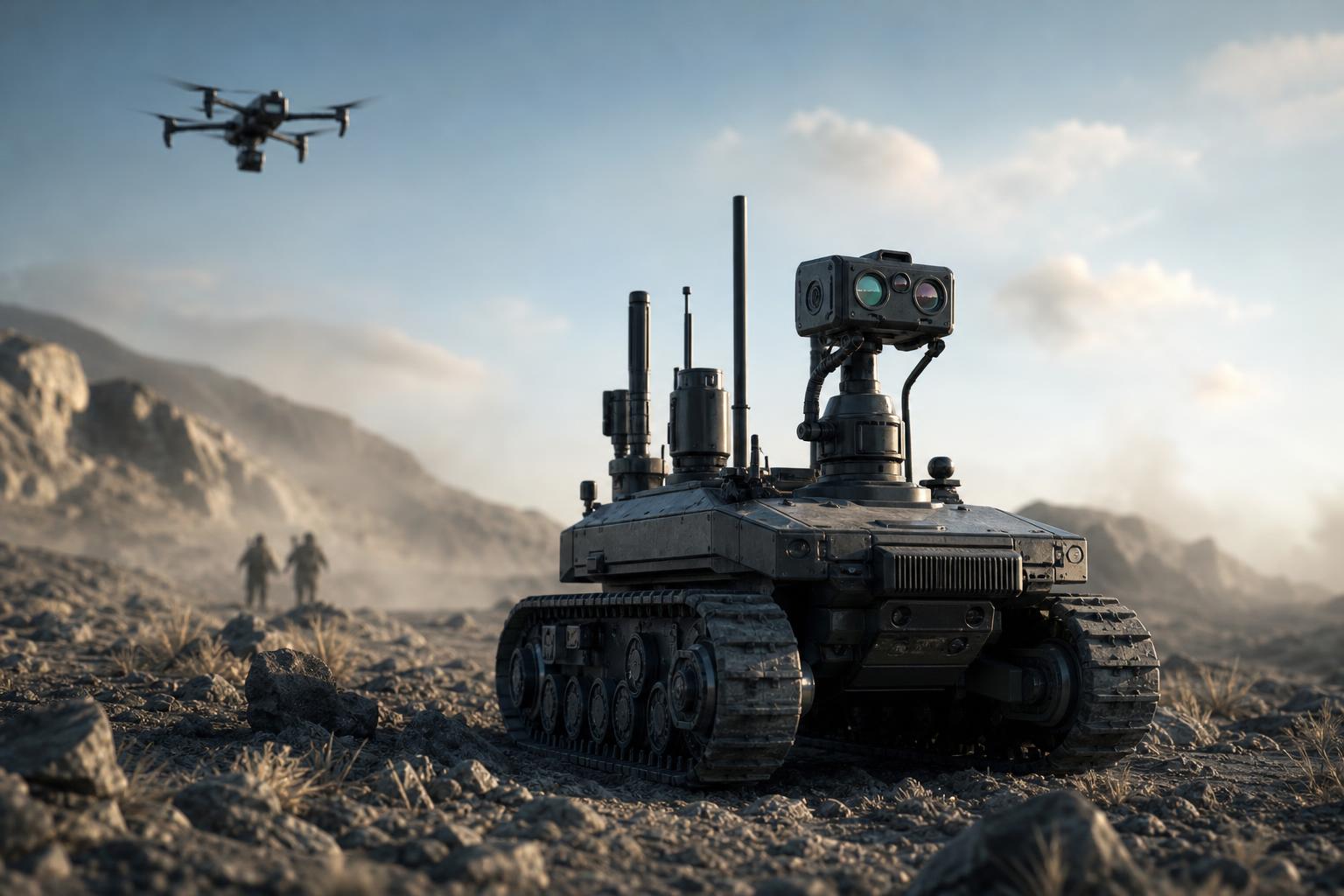
In particular, participants focused on the progress and technology acquisition plans for core technology projects related to the unmanned-manned combined CBRN reconnaissance vehicle, a key future CBRN battlefield asset.
The system deploys drones and robots into hazardous areas first to remotely detect CBRN contamination and share contamination information in real time, minimizing soldiers' exposure to danger and enhancing survivability.
Attendees discussed cooperation measures to actively utilize civilian advanced technologies in CBRN weapon system development and to strengthen a civil-military cooperation system linking military requirements with civilian technological capabilities.
DAPA plans to form a civil-military consultative body based on opinions presented at the seminar and continue developing related technologies.
Lee Seung-ho, head of DAPA's Firepower Program Department, said, "The CBRN field is essential for protecting the lives and safety of soldiers and citizens, and continuous technological development is important to prepare for the future battlefield." He added, "Through close cooperation among the military, government, and industry, we will develop advanced CBRN unmanned-manned combined systems for the future battlefield without setbacks."