


Since the pandemic, the Korean business landscape has shifted. It now emphasizes health and lifestyle. Two activities stand as the twin pillars of success in business networking: Golf and Hiking. Golf remains popular for strategic meetings. However, hiking offers a dynamic, distinctively Korean approach. It builds deep bonds (Jeong) and verifies mutual grit through shared physical effort. South Korea is 70% mountainous. Thus, hiking is an effective way to solidify relationships with Korean partners.
Backed by this culture, the Korean outdoor market has reached a world-class level. Major brands like BlackYak, Kolon Sport, and K2 lead trends and technology. They will remain crucial pillars of Korea’s business culture in 2025.
Korean Hiking Culture: Trust Built on Sweat
In Korea, hiking is more than just a leisure activity. Climbing major peaks near Seoul, like Bukhansan or Cheonggyesan, serves as a “Social Salon” on weekends. Golf emphasizes strict etiquette. Hiking, however, is about letting your guard down. You show a human side while navigating rugged paths together.
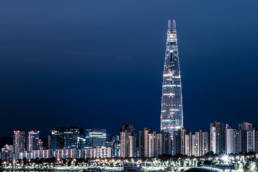
You reach the summit and overlook the Seoul skyline. Then, you share Pajeon (green onion pancakes) and Makgeolli (rice wine) at the bottom. This creates camaraderie difficult to replicate in a stiff conference room. Accepting a hiking invitation is more than saying yes to exercise. It sends a powerful message of trust. It tells your partner, “We are in the same boat.”
Key Outdoor Companies and Brand Stories
If you discuss hiking with a Korean partner, knowing these major brands helps.

1. BlackYak
BlackYak understands Korean hiking culture well while leading in technology. They operate a unique community platform called the ‘BlackYak Alpine Club (BAC).’ Over 400,000 members climb and certify their summits across the country. The company has turned hiking into a massive gamified challenge. BlackYak uses user data to develop high-performance gear like the DNS line. This gear withstands extreme environments, making it a favorite among serious mountaineers.

2. Kolon Sport
Kolon Sport launched in 1973. It represents the living history of the Korean outdoor industry. Famous for their evergreen tree logo, they recently strengthened communication with younger generations. Their ‘Sotsot’ project leads this effort. They value eco-friendly practices and sustainability (ESG). The brand leads initiatives in recycled materials and nature conservation. Consequently, they enjoy broad support across all generations.

3. The North Face Korea (Youngone Corporation)
Youngone Corporation manages The North Face in Korea. They have perfectly localized this global brand. They center on the ‘Gorpcore’ trend, where people wear outdoor apparel as everyday fashion. Their products offer high functionality and style. You see them on hiking trails and the bustling streets of Seoul. This is the top choice if you want stylish hiking wear that doubles as business casual.

4. K2 Korea
K2 prioritizes ‘Safety’ and ‘Technology.’ The brand possesses hiking shoe technology optimized for Korea’s rugged granite terrain. Recently, they moved away from heavy boots. They found success with the ‘Flyhike’ series, featuring light shoes with excellent grip. They hired top celebrities like Suzy as models. This built a sophisticated image and established a brand loved by all ages.

Hiking Etiquette Guide for Business Networking
Here are tips for foreign business people to ensure a successful networking experience.
Pace Yourself (Respect the Flow) Do not hike ahead to show off your stamina. Match the pace of your host or the senior members. Maintain a distance that allows for comfortable conversation while walking.
Gear Up Respectfully We highly recommend wearing proper hiking boots and functional outdoor wear. Locals view this as a sign of respect. It shows you take the gathering seriously. Hiking boots are also essential for safety on rocky terrain.
The Culture of Sharing Pack light snacks like chocolates, cucumbers, or fruit to eat during breaks. Offer these to your partners. In Korean hiking culture, food represents ‘sharing.’ A small snack can significantly soften the atmosphere.
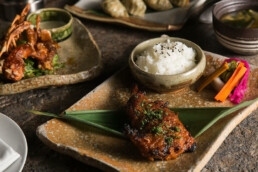
Enjoy the ‘Dwipuri‘ (After-Party) The hike ends only when the meal finishes. Hikers usually eat at a restaurant near the trail entrance after descending. They enjoy dishes like Pajeon, Acorn Jelly salad, or Chicken Soup with Makgeolli. Clink glasses for a toast even if you don’t drink alcohol. Important business discussions often happen in this relaxed setting.
Humility & Compliments Compliment the scenery of the Korean mountains. Offer kind words about your partner’s hiking skills or health. Positive energy and humility are the keys to opening the door to business conversations.