Space Lintec launches AI-based BEE-PC2 space-medicine module to ISS
The Korean startup's second ISS experiment module flew on a SpaceX Falcon 9 from Cape Canaveral, advancing a commercial microgravity CRO service for drug developers.
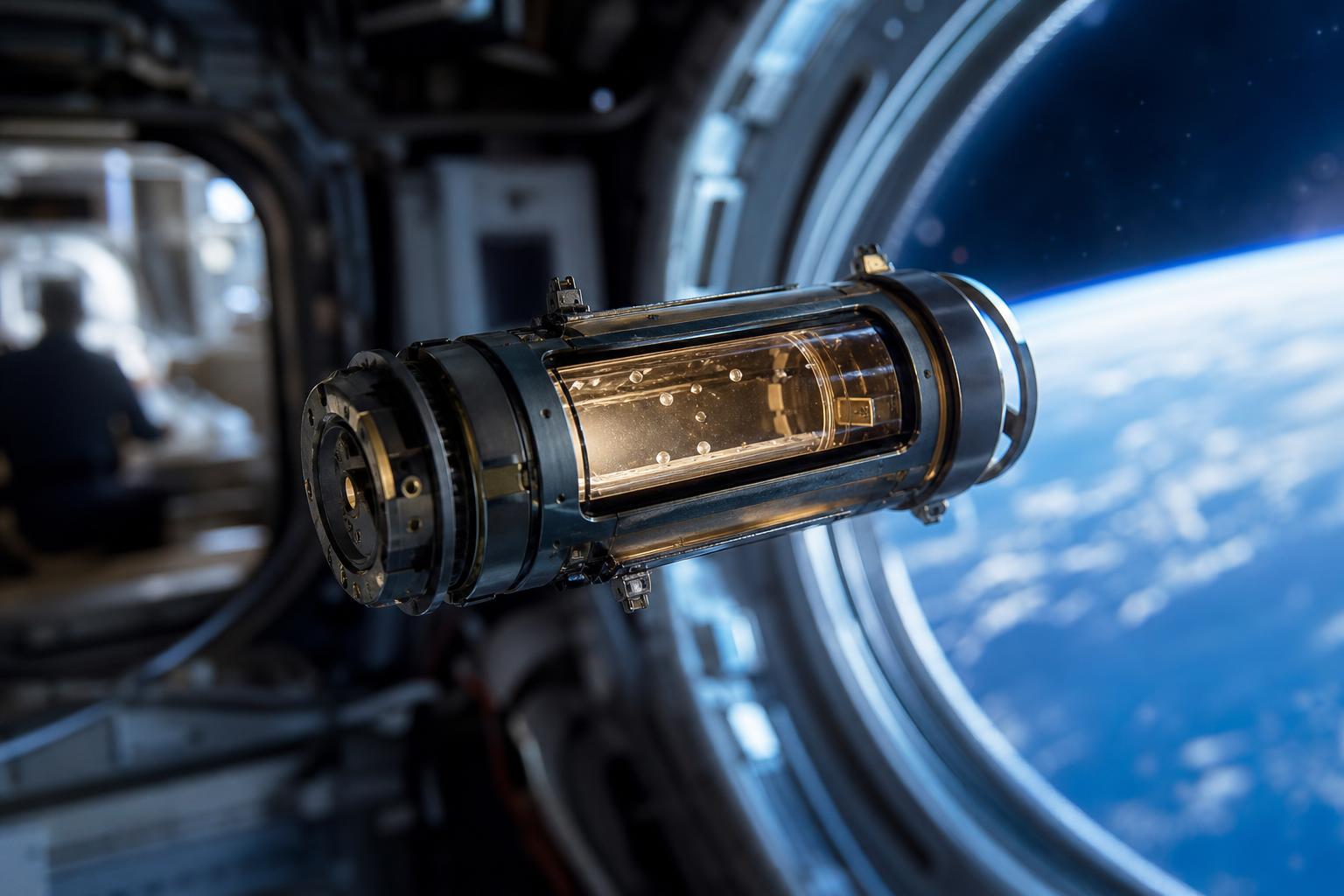
Space Lintec launched its AI-based next-generation space-medicine experiment module BEE-PC2 to the International Space Station, Newsis reported on Oct. 14.
The module lifted off from Cape Canaveral Space Force Station in Florida at 6:33 a.m. U.S. Eastern time on Oct. 13, or 7:33 p.m. Korea time, aboard a SpaceX Falcon 9 rocket, according to Newsis. The launch was conducted through NASA's CRS-35 commercial cargo resupply mission to the ISS.
BEE-PC2 is designed to make complex crystals of target proteins and new-drug candidates in microgravity and then analyze the recovered samples for drug-development use, ChosunBiz reported.
The mission follows Space Lintec's ISS space-medicine experiment BEE-PC1 from last year and is intended to build the basis for a commercial space-medicine contract research organization service for domestic and overseas pharmaceutical and biotech companies, Financial News reported.
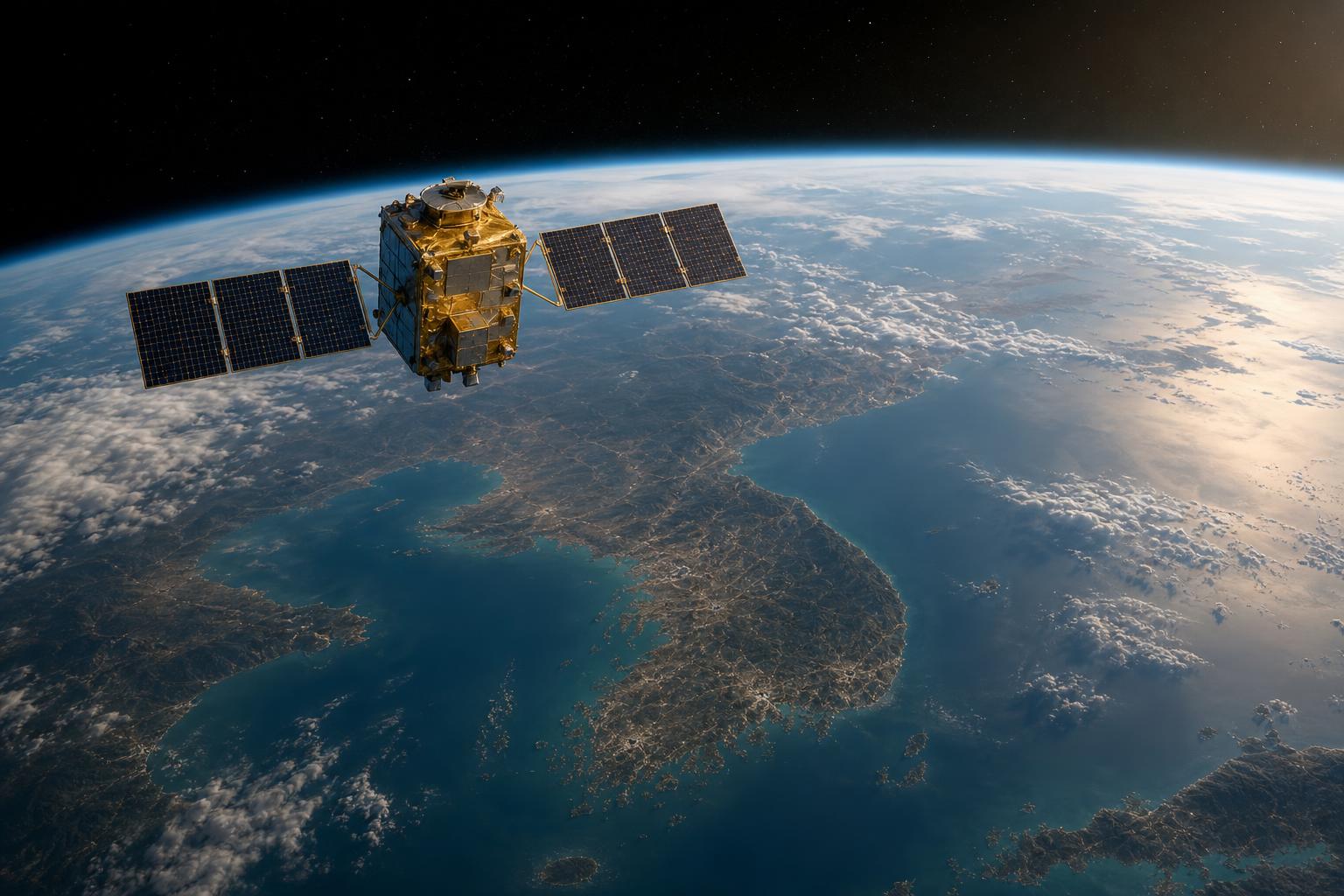
The BEE-PC2 launch came one week after Space Lintec's 12U-class space-medicine satellite BEE-1012 flew on the fifth Nuri launch on Oct. 7, according to Financial News.
Space Lintec is developing both the ISS-based BEE-PC series and the standalone satellite-based BEE-1000 series, DongA Science reported.
Space Lintec is also participating as a space-manufacturing module development contractor in Seoul National University's small unmanned space-manufacturing platform demonstration project, which is supported by the Korea AeroSpace Administration, Newsis reported.