South Korea suspended continuous East Sea Aegis patrols in September 2025
The Navy cited personnel shortages and operational burden; JCS says missile surveillance posture remains intact, but a land-based analyst cited limitations in analyzing North Korean missile characteristics.
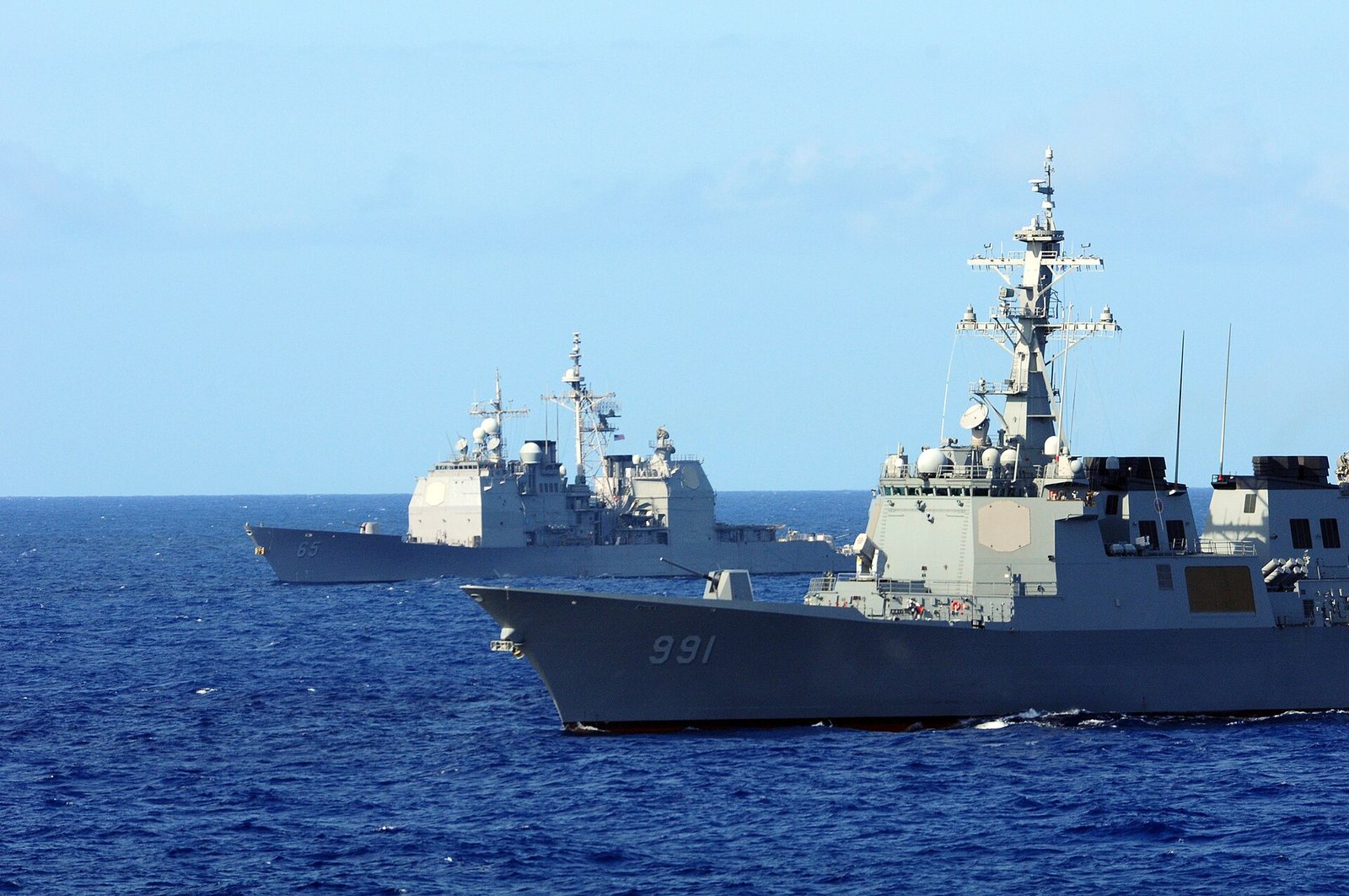
South Korea suspended the continuous deployment of Aegis destroyers in the East Sea in September 2025, according to an exclusive report by The Korea Herald on Nov. 5, 2026.
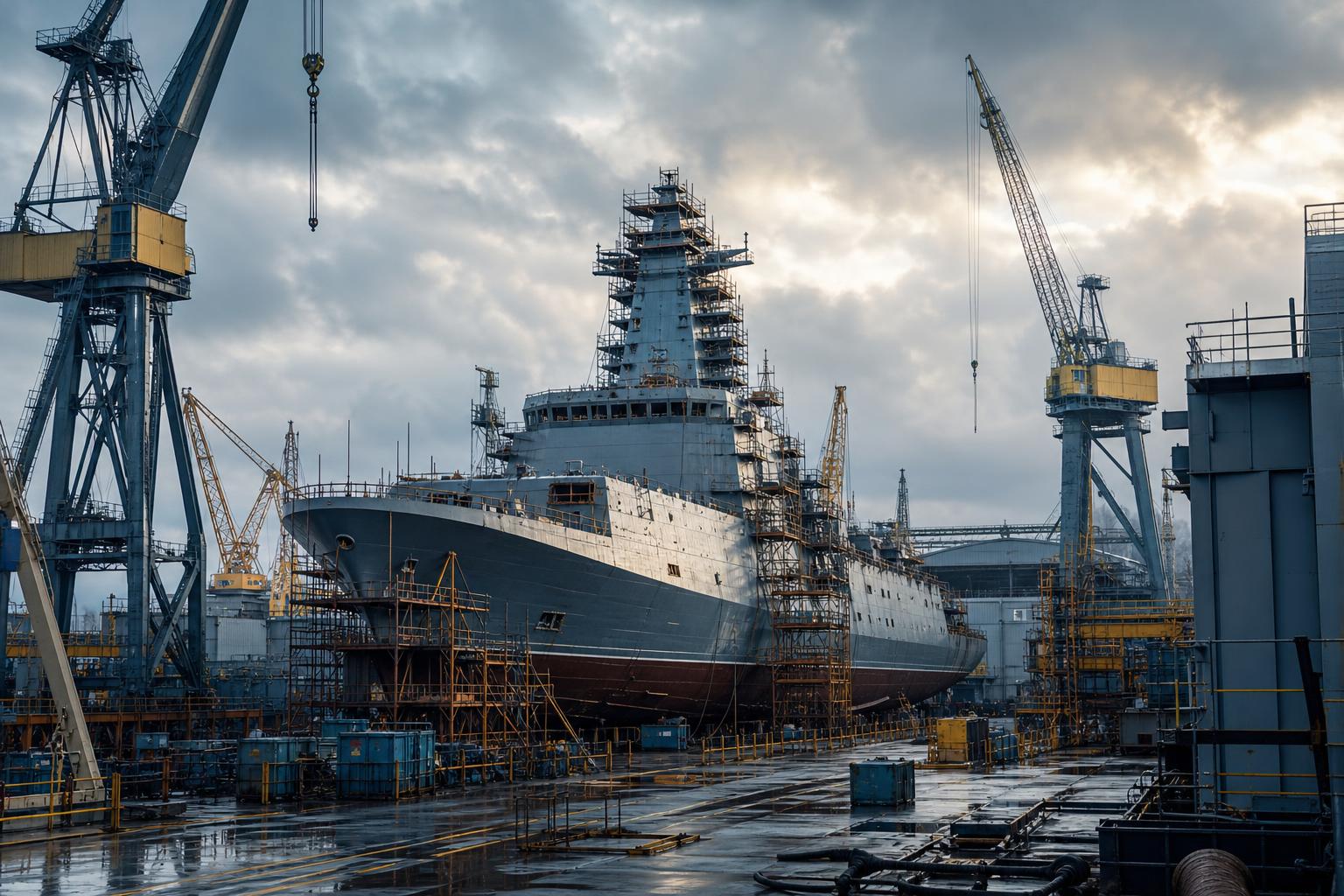
The Navy requested Joint Chiefs of Staff (JCS) approval in September 2025 to suspend the continuous deployment, citing personnel shortages and the operational burden of keeping warships at sea for extended periods, according to multiple military sources cited by the report. The JCS approved the request.
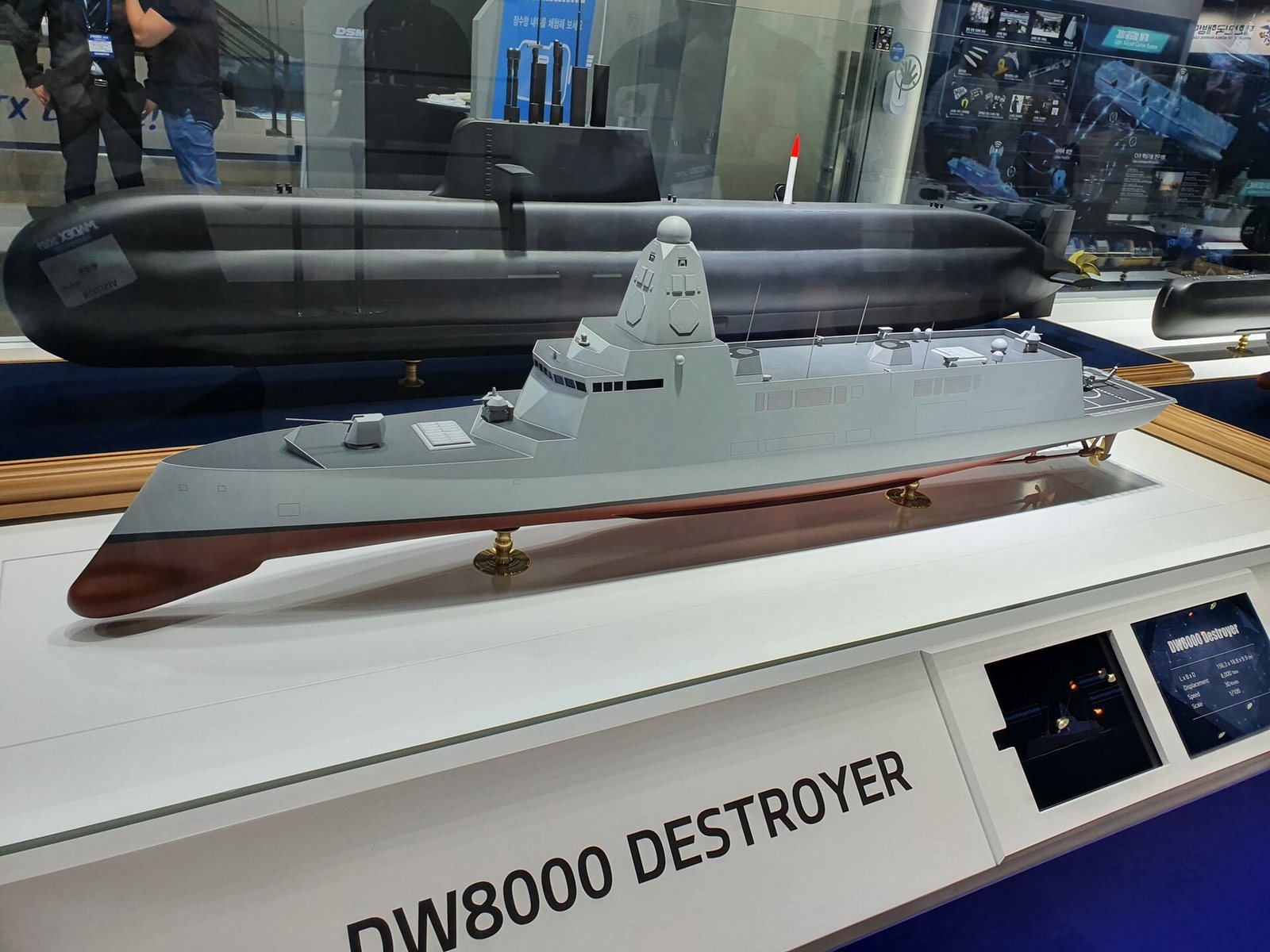
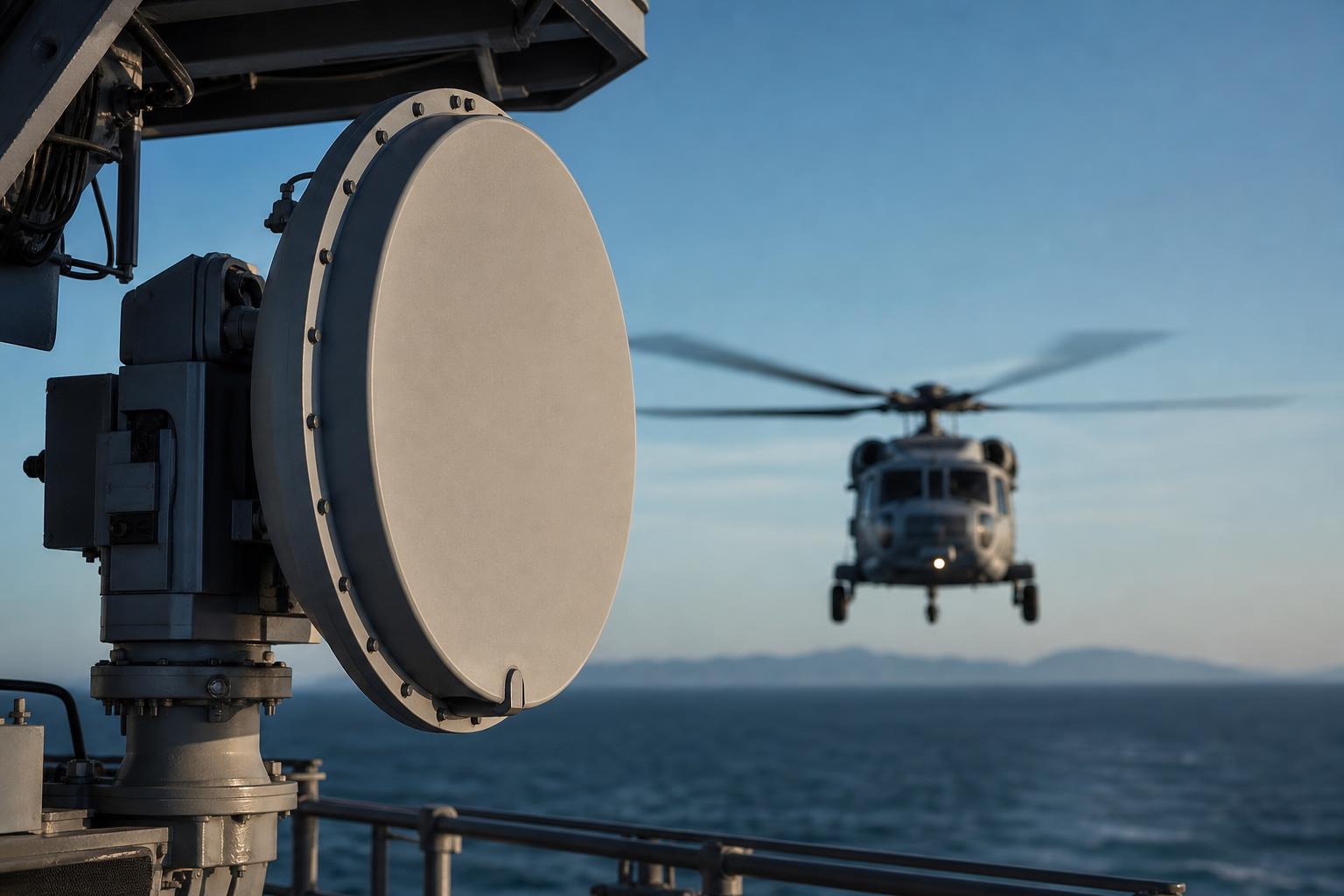
South Korea currently operates four Aegis destroyers equipped with advanced radar systems that can detect and track ballistic missiles over long distances, according to the report. At the time of the continuous-deployment proposal, the Navy counted three Aegis destroyers in its fleet.
After the suspension, the Navy was reportedly expected to dispatch Aegis destroyers when indications of an impending North Korean missile launch were detected, rather than maintaining a continuous East Sea presence. A military official quoted anonymously said North Korea has increasingly launched missiles without clear advance indications.
The report says North Korea launched several missiles toward the East Sea from the Sondok area of South Hamgyong Province on Wednesday, and the JCS initially described them simply as “missiles” while South Korean and U.S. authorities examined possibilities including close-range ballistic missiles, surface-to-air missiles and cruise missiles.
The JCS maintains that suspending continuous Aegis deployments has not created a gap in South Korea’s missile surveillance posture, according to the report. However, a military official assigned to a land-based unit responsible for analyzing Aegis radar data said the absence of continuously deployed Aegis destroyers in the East Sea has imposed limitations on analyzing detailed characteristics of North Korean missiles.