North Korea claims cluster-warhead strategic cruise missile test; Seoul, Washington analyzing
Pyongyang says the Nov. 2 test evaluated a dispersal warhead and vertical-strike flight characteristics, while South Korea's military says the launch is under joint analysis.
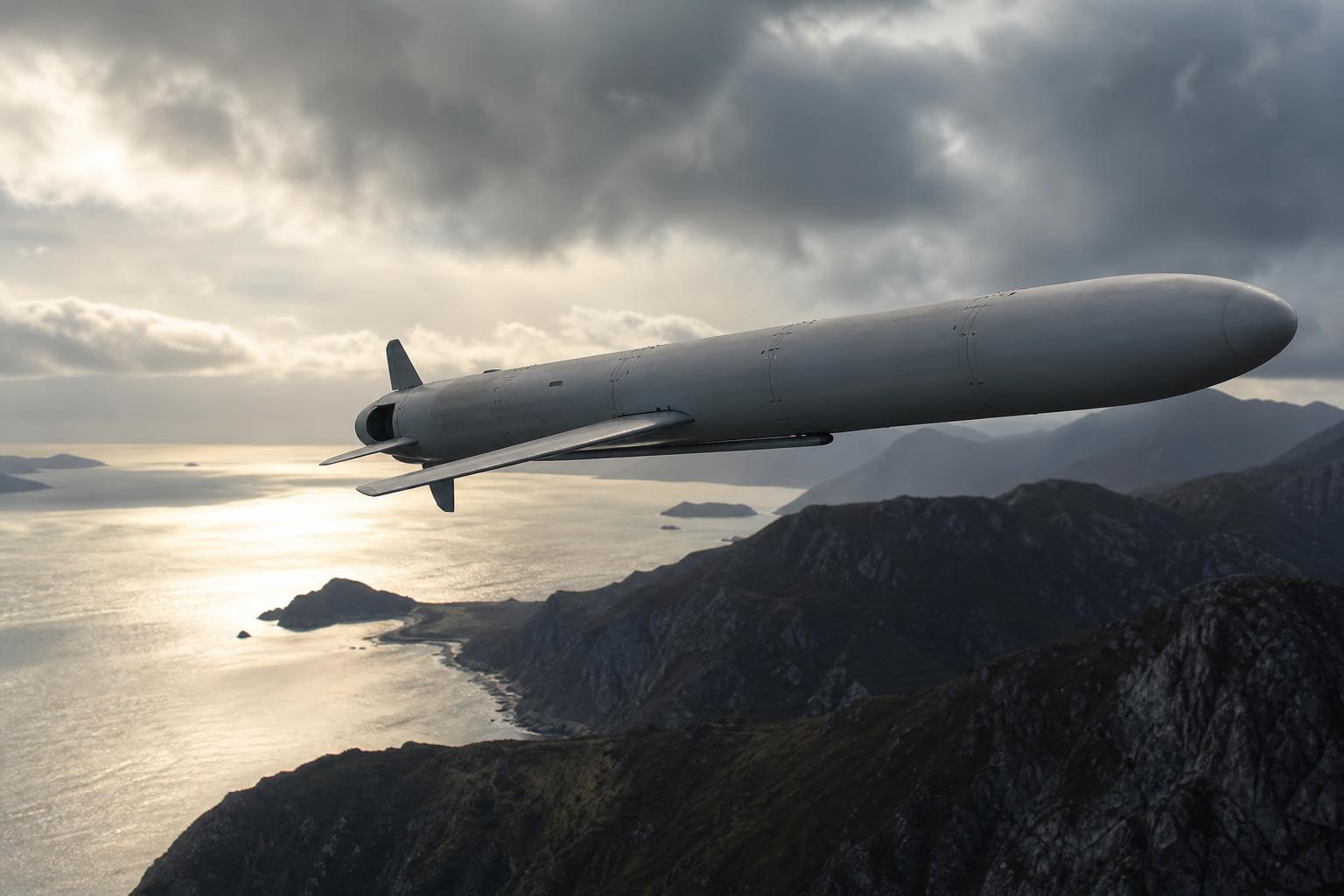
North Korea said it tested a strategic cruise missile with a cluster warhead and a vertical-strike terminal profile on Nov. 2, a claim South Korea's military said is under detailed analysis by Seoul and Washington.
The North's state-run Korean Central News Agency reported on Nov. 3 that the Missile Administration conducted a strategic cruise missile dispersal-warhead power evaluation and vertical-strike flight-characteristics test the previous day, according to Sidae Ilbo.
KCNA said the Warhead Institute confirmed that a medium dispersal warhead mounted on a cruise missile could devastate a 5–6 information target area at high density, Sidae Ilbo reported.
Sidae Ilbo noted that North Korea had carried out a tactical ballistic missile dispersal-warhead combat-applicability and power-evaluation test on Oct. 31, three days before the cruise-missile claim, and that this was the first time Pyongyang publicly disclosed a dispersal-warhead test on a cruise missile and a vertical-strike test.
South Korea's Joint Chiefs of Staff said the specifications of the missile North Korea said it launched on Nov. 2 are under detailed analysis by South Korea and the United States, according to SPN Seoul-Pyongyang News.
JCS spokesperson Jang Do-young said South Korea's military maintains the capability and posture to respond overwhelmingly to any North Korean provocation, and that Seoul already developed and fields precision-strike capabilities and related weapons systems that surpass the technology North Korea claims, keeping them in constant operational readiness.
Jang said confirming whether South Korea detected each specific North Korean projectile would expose the military's surveillance capabilities and would be inappropriate.
Financial News reported JCS comments that cruise missiles differ from ballistic missiles because they are slower and use Earth curvature and low-altitude terrain-following routes, which can constrain detection if fired from far northern areas. Jang said that if North Korea launches cruise missiles toward South Korea, South Korea's current capabilities are sufficient for detection and interception response.