Korea's 2028 space data center demonstrator faces 2027 budget gap
The 2027 budget proposal includes $1.56 million for ground verification but omits the $3.72 million needed for orbital verification, putting the Nuri launch plan at risk.
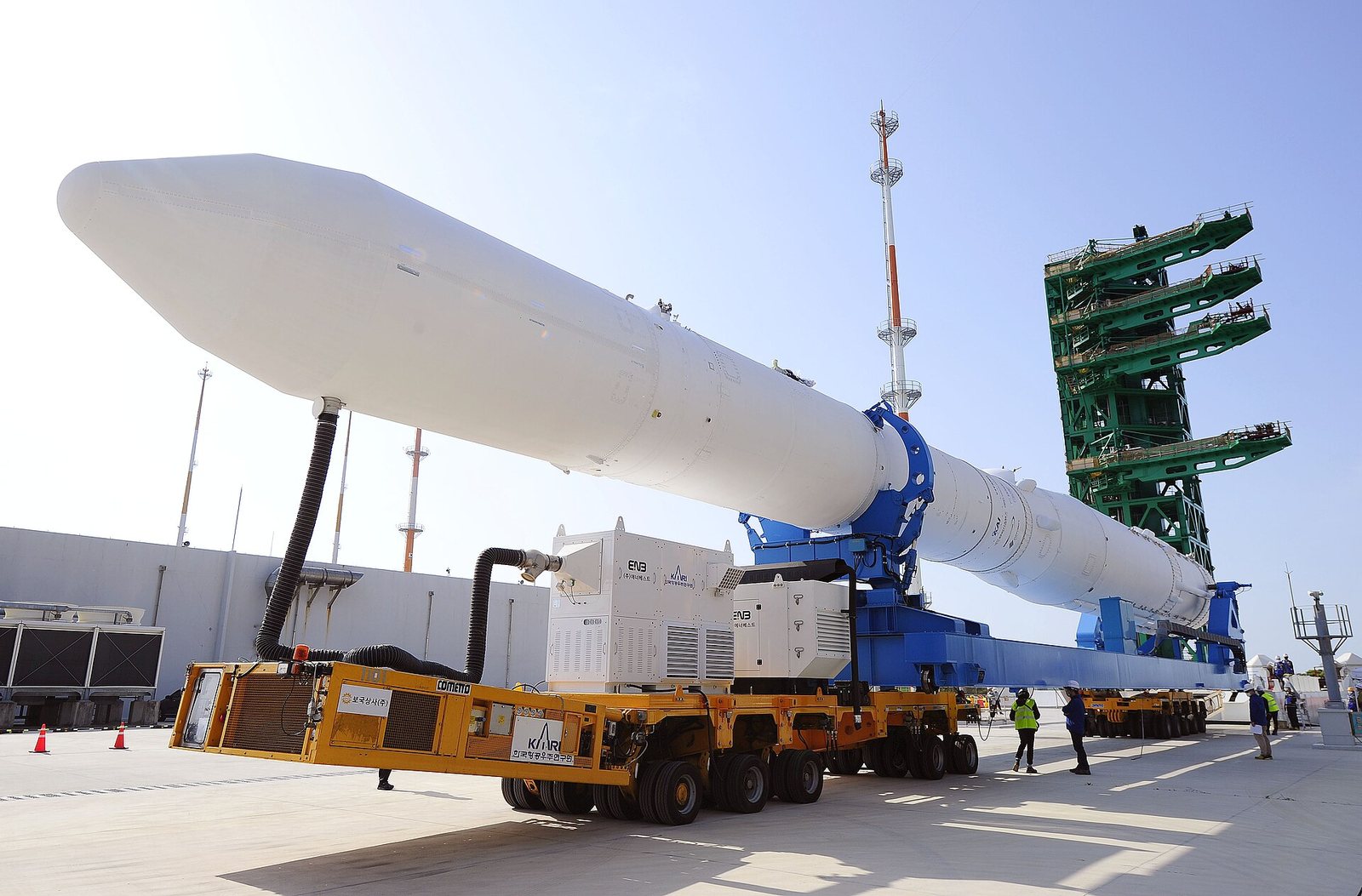
South Korea's plan to launch a 100-kilogram-class small space data center demonstrator on the Nuri rocket in 2028 faces a funding gap, as the core budget for orbital verification was not reflected in the 2027 government budget proposal, Maeil Business Newspaper reported on Nov. 3.
The 2027 budget proposal includes 2.1 billion won ($1.56 million) for space data center technology development and ground verification, but the approximately 5 billion won ($3.72 million) needed next year for the required space verification step was not reflected at all during budget deliberations, according to the report.
The planned small data center satellite would demonstrate AI semiconductors, power devices and thermal-control technologies in space, Maeil Business Newspaper reported.
The K-Moonshot roadmap calls for a small data center satellite in 2028, a medium data center in 2031 and a large data center in 2034, according to the report.
The small space data center development and launch would require a total of 14 billion won ($10.4 million), comprising 5 billion won in 2027 for design and preparation and 9 billion won ($6.69 million) in 2028 for manufacturing and related work, Maeil Business Newspaper reported.
Lee Chun-woo, K-Moonshot space mission PD, presented the space data center core-technology development and demonstration roadmap at the third National Assembly forum of the Space Data Center Forum on Nov. 2, Edaily reported.
The first project is a 100-kilogram-class small K-space-data-center demonstrator planned for design, production and testing from January 2027 to December 2028, with a possible launch as a secondary payload on the seventh Nuri launch carrying CAS500-5, according to Edaily.
The project cost is estimated at 14 billion won, including about 2 billion won ($1.49 million) for launch costs, Edaily reported.
The planned mission orbit is about 562 kilometers in a dawn-dusk orbit and the target mission life is at least one year, according to Edaily.