Korea-U.S. CFC expected to keep integrated command after OPCON transfer
A Korean four-star general would command the Combined Forces Command with a U.S. general as deputy under a provisional plan, though details of authority over U.S. forces remain unresolved.
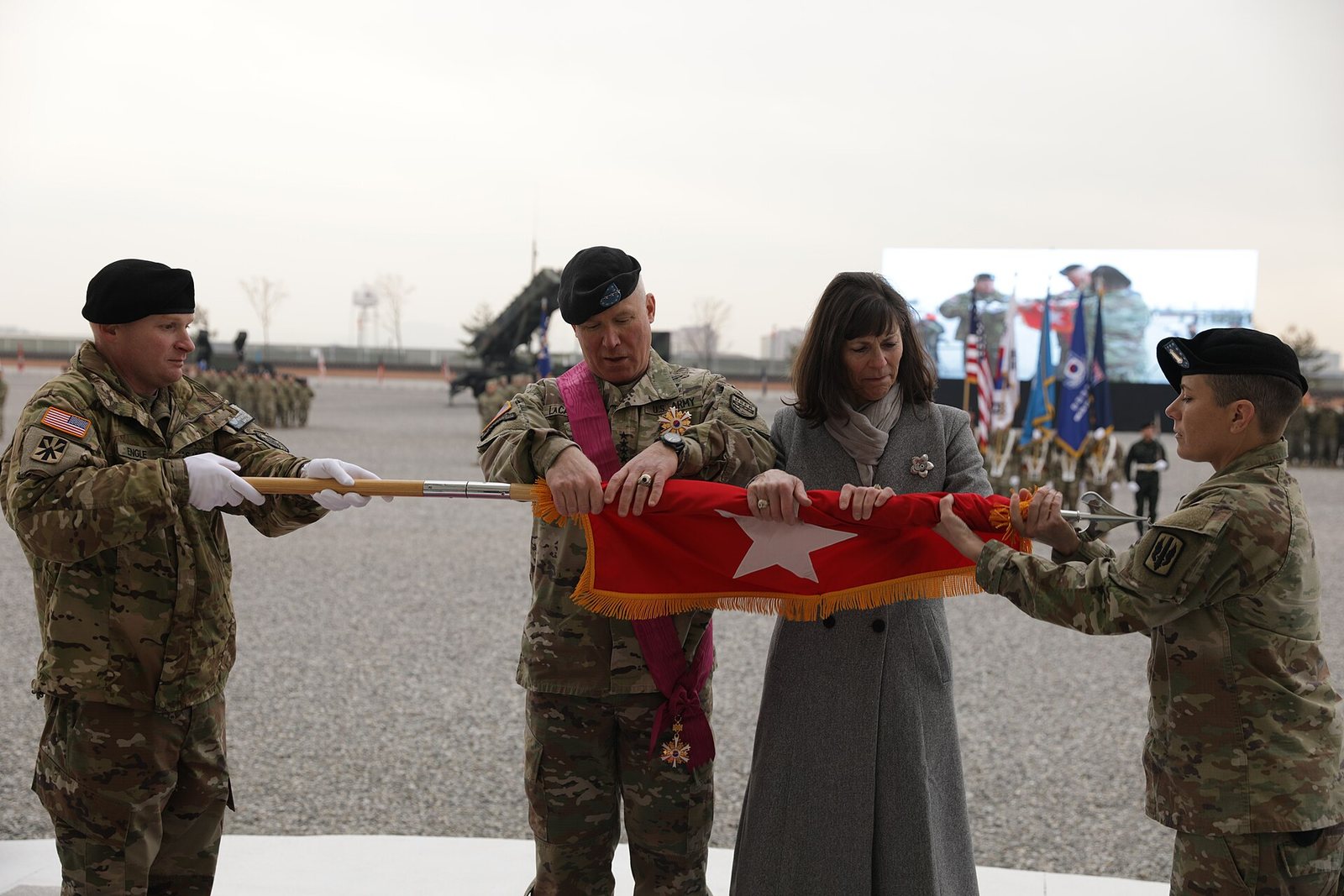
The Korea-U.S. Combined Forces Command (CFC) is expected to retain its integrated command structure after Seoul regains wartime operational control (OPCON) from the United States, with a Korean four-star general in command and a U.S. general as deputy, The Korea Times reported on Oct. 11.
Seoul and Washington have agreed on a provisional organizational plan for the post-transfer command, but the division of responsibilities beneath the commander has not been made public, according to the report.
Gen. Kim Seong-min, deputy commander of the CFC, told a parliamentary audit that the provisional arrangement would be finalized during the Full Mission Capability assessment, the final stage of the three-phase OPCON transfer evaluation process, The Korea Times reported.
The agreed post-transfer arrangement would put a Korean four-star general in command and a U.S. general as deputy, rather than having the allies operate separate wartime commands, according to the report.
The current CFC is led by a U.S. four-star general, with a Korean four-star general serving as deputy, and officers from both militaries serve on an integrated staff that plans and directs combined operations, The Korea Times reported.
The CFC was established in 1978 to coordinate the allies’ defense of Korea and has served as the central headquarters for combined wartime operations, according to the report.
Kim Jung-sup of the Sejong Institute said possible adjustments could include more Korean generals heading intelligence and operations sections or taking a more active staff role once a Korean general becomes commander, The Korea Times reported.
Retired Gen. Ahn Gwang-chan questioned whether U.S. forces assigned to combined operations would fall under the Korean commander’s operational control or instead operate through a coordination mechanism after OPCON transfer, according to the report.