KASA to shift focus to industry promotion, reusable rockets and satellite mass production
Administrator Oh Tae-seog outlined plans to raise Nuri reliability above 90 percent, build a low-Earth-orbit communications network by 2035 and pursue lunar missions.
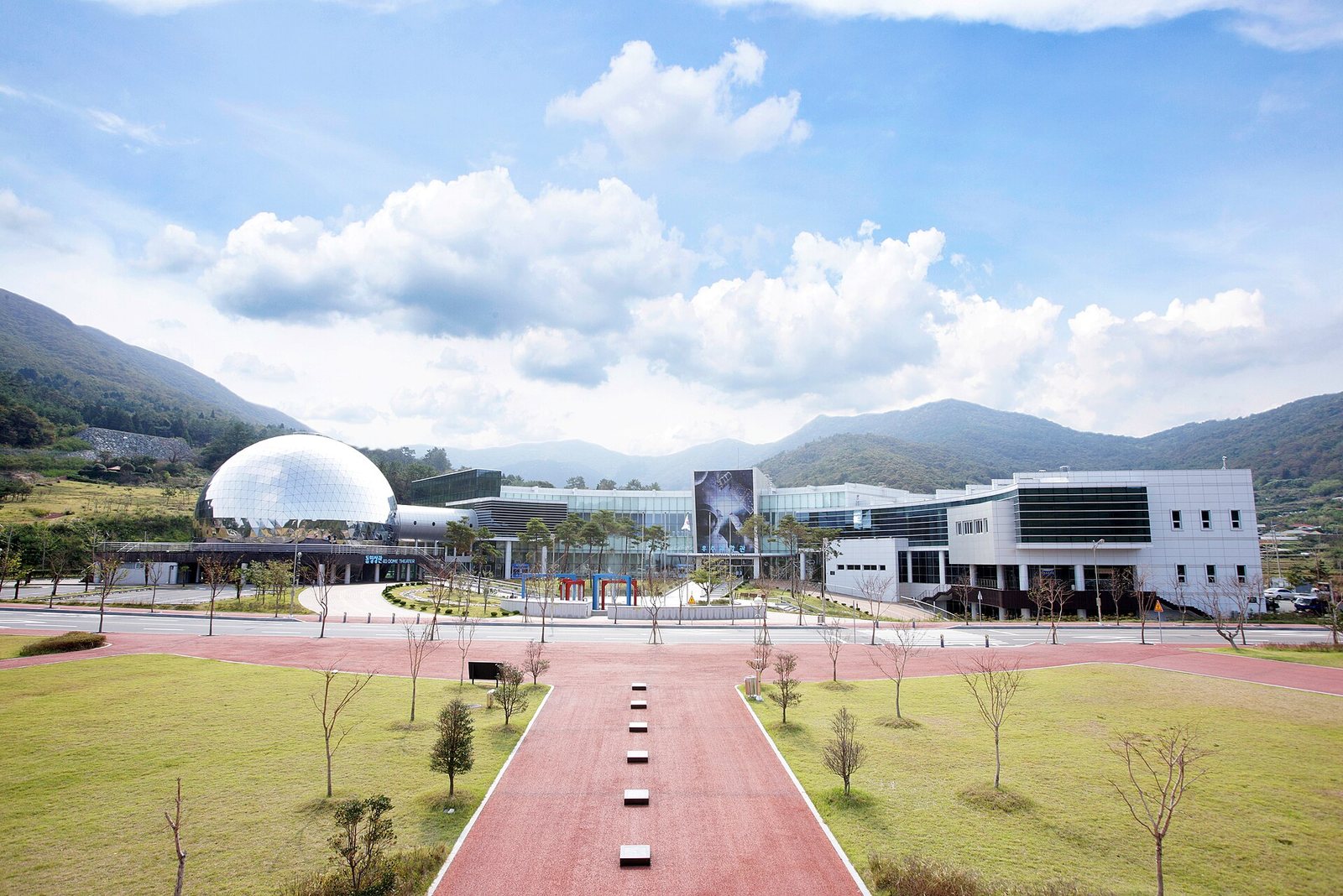
Korea AeroSpace Administration (KASA) will shift its policy focus from research and development to industrial promotion and build a private-led aerospace industry ecosystem, Administrator Oh Tae-seog said during a National Assembly Science, ICT, Broadcasting and Communications Committee audit on Oct. 13, DigitalToday reported.
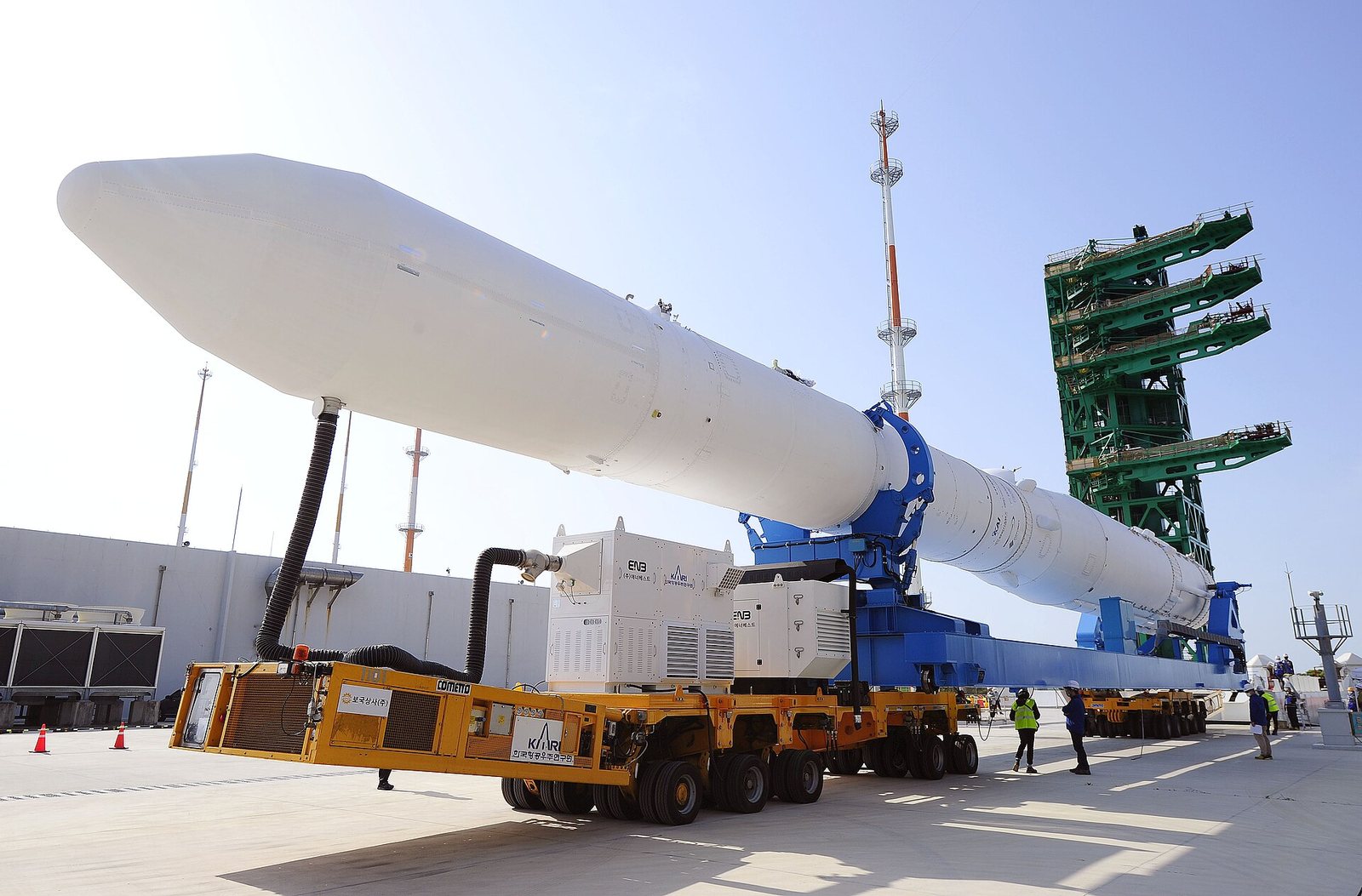
KASA plans to raise the reliability of Korea’s homegrown launch vehicle from about 80 percent to more than 90 percent through repeated Nuri launches, according to the report.
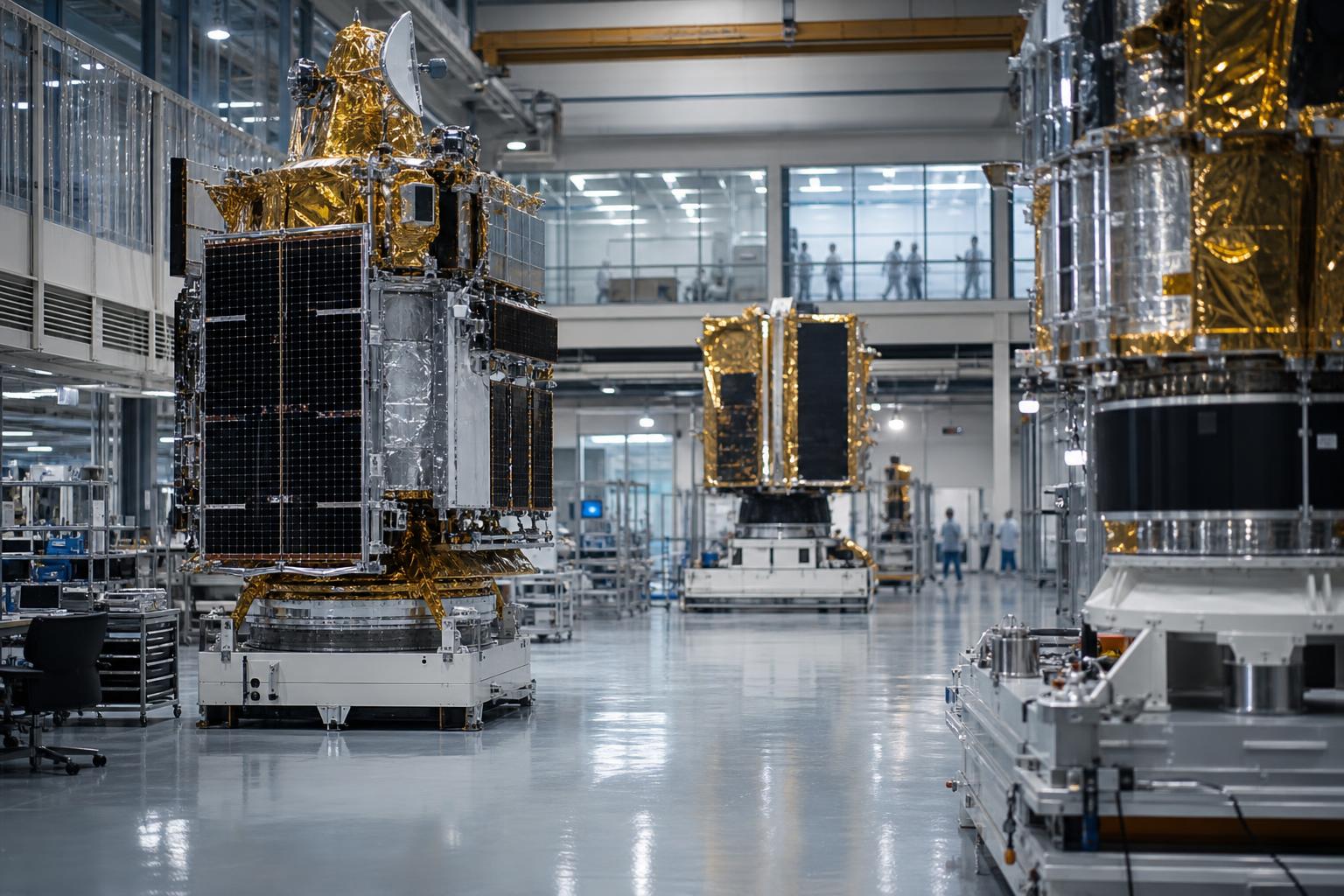
The agency aims to lower launch costs by developing a reusable next-generation launch vehicle, support private-sector development of small and mid-sized launch vehicles, and build a foundation for mass production of constellation satellites, DigitalToday said.
KASA also plans to support companies in non-space sectors such as semiconductors and materials in entering the space market.
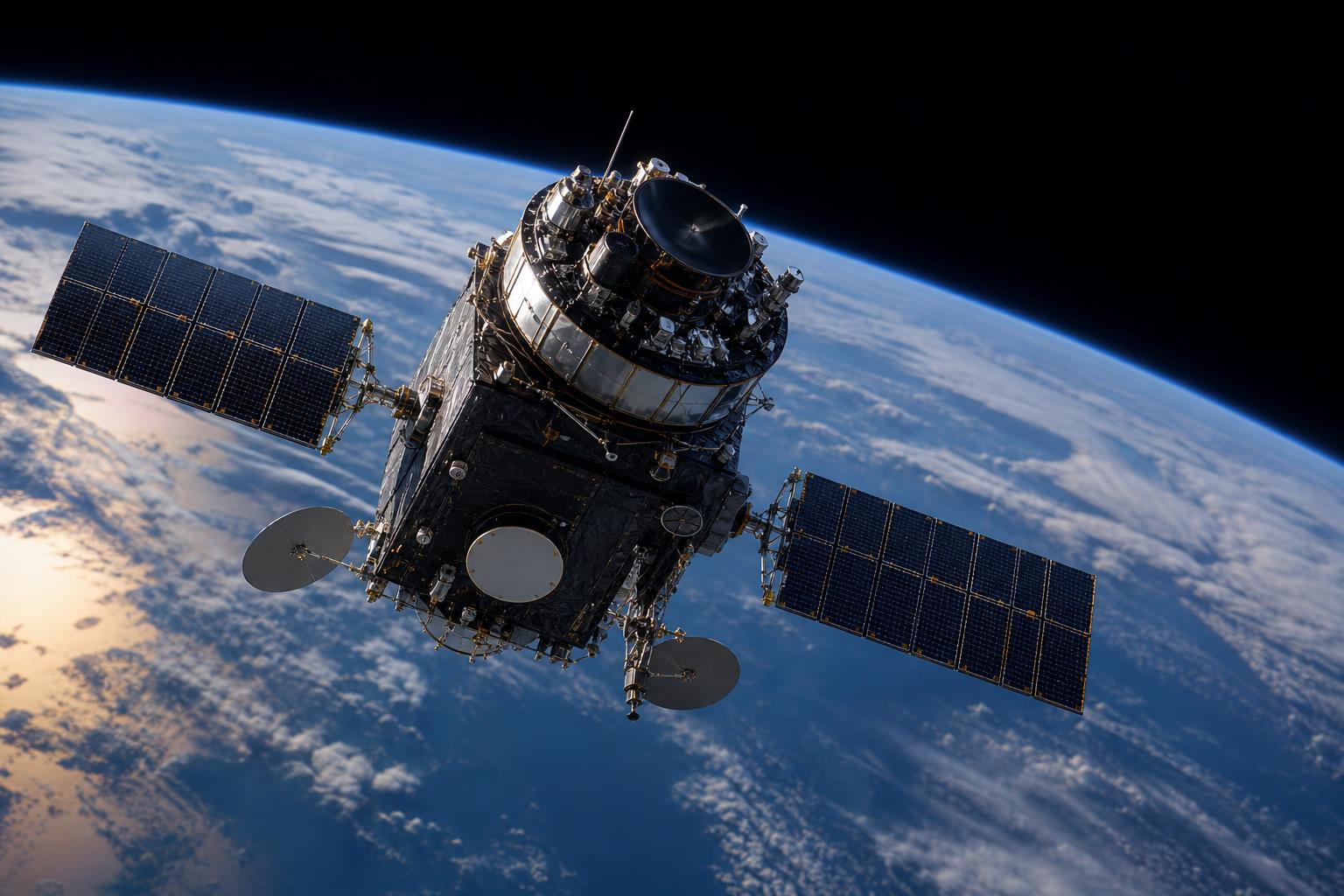
By 2035, KASA plans to build a Korean low-Earth-orbit satellite communications network to secure an independent communications network usable in emergencies such as disasters.
For lunar exploration, KASA plans a lunar-orbit communications satellite in 2029, a small lunar lander in 2030 and leading technologies by 2032 for an independent lunar landing.
In aviation, KASA plans to join public-private efforts to develop a next-generation civilian aircraft and to push development of a hybrid vertical takeoff and landing aircraft.