Nine Rideshare Satellites from Nuri's Fifth Launch Establish Contact
KASA and KARI confirmed successful communications with all nine deployed secondary payloads, while one satellite failed to separate.
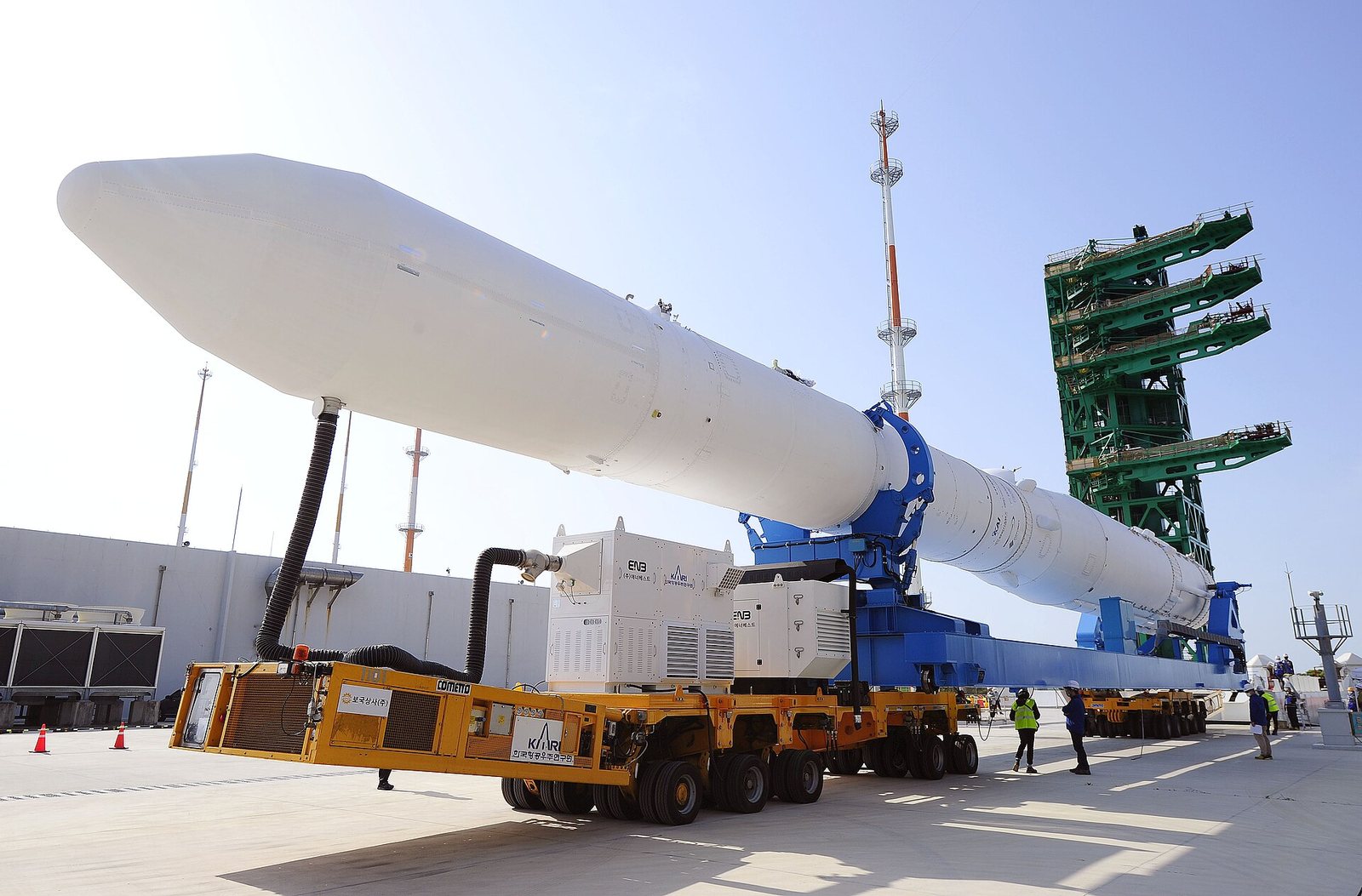
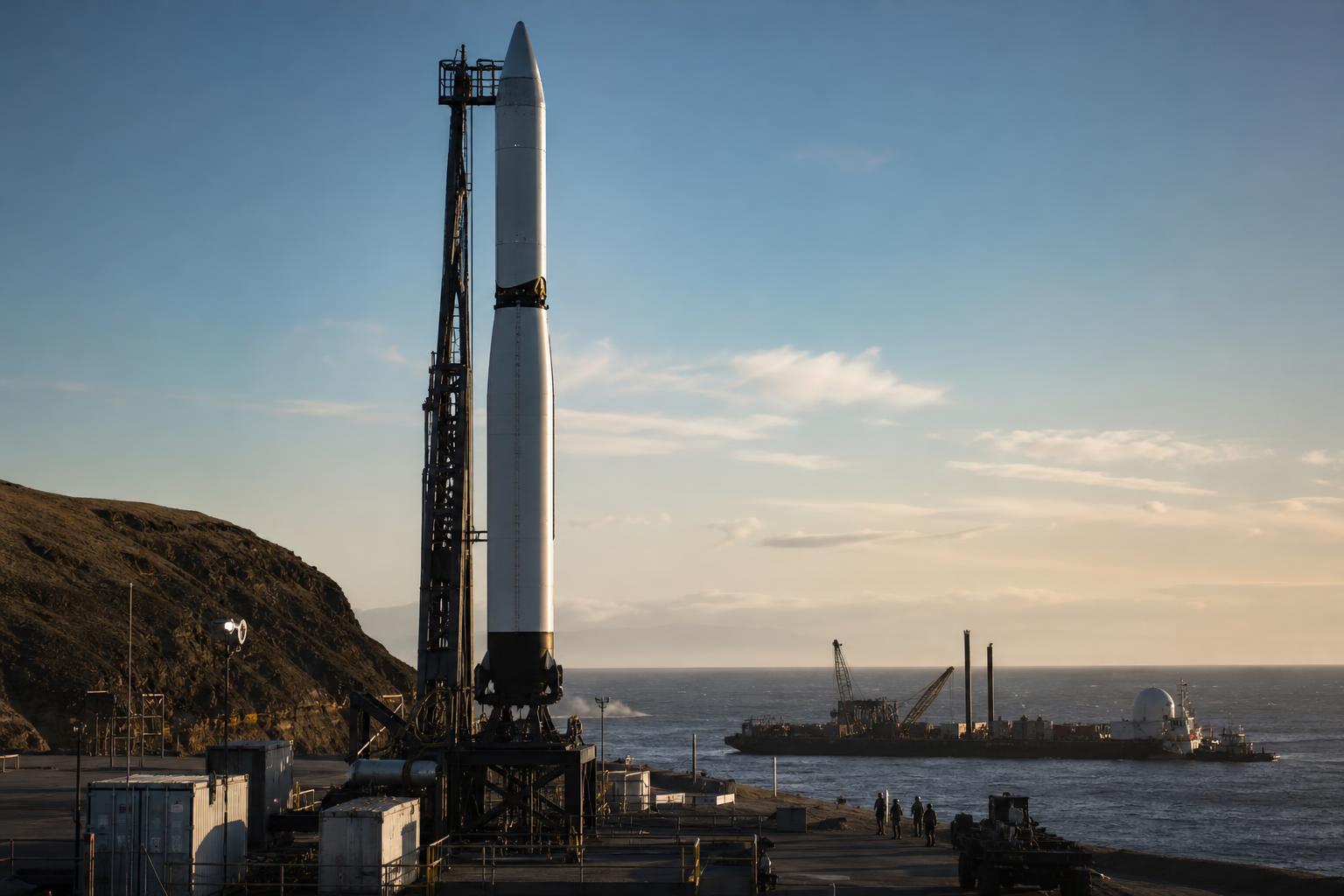
The Korea AeroSpace Administration (KASA) and the Korea Aerospace Research Institute (KARI) announced on Oct. 13 that all nine secondary satellites deployed from the Nuri (KSLV-II) rocket's fifth flight have established contact with ground stations. The rocket lifted off on Oct. 7 at 12:25 p.m. carrying 10 rideshare payloads, but one satellite, Quaternion P-Sat-2, failed to separate.
According to KASA, the nine separated satellites are now undergoing checkouts before beginning their missions. The agency detailed the communication status of each satellite, noting that most achieved two-way contact on their first attempt on Oct. 7.
BI-1012, built by SpaceLinTech, established two-way communication at around 2 p.m. on Oct. 7. The Domestic Components and Parts Space Verification Platform 2, developed by KARI, achieved two-way contact at around 2:30 p.m. the same day and has completed satellite bus checks.
Ulysses, from the Unmanned Exploration Laboratory, confirmed its payload was in good condition after two-way communication at around 2 p.m. on Oct. 7. SD OneSat, built by Space & Bean, also achieved two-way contact at around 2 p.m. and received GPS log data.
The Space Optical Communication Orbit Verification Satellite, developed by Chosun University, received a beacon signal at around 2 p.m. on Oct. 7 and achieved two-way communication at around 11 p.m. the same day. DaejeonSat-1, from Daejeon Metropolitan City, established two-way contact at around 11 p.m. on Oct. 8 and confirmed normal solar panel deployment.
Sledge, built by O&N Space, received its first beacon signal at around 10 p.m. on Oct. 7 and succeeded in downlinking data on Oct. 9, confirming normal deployment of solar panels and antennas. Jack-007, from CosmoWorks, received a beacon signal at around 2 p.m. on Oct. 7 and later succeeded in downlinking data.
GBSat, developed by KAIST, received a beacon signal at around 1 p.m. on Oct. 7 and succeeded in downlinking data at around 11 p.m. the same day. Both Sledge and GBSat are now attempting uplink commands from ground stations to establish two-way communication.
KASA Administrator Oh Tae-seok said the rapid contact with the satellites compared to the fourth launch demonstrates improved accuracy in orbital insertion and satellite positioning information. "This means the technical maturity has been raised one step higher," Oh said, adding that the agency will continue to strengthen space transport mission capabilities.