KASA briefs 75 new reviewers on space and aerospace R&D facility approvals
The panel will assess equipment purchases worth 100 million won or more, including security-sensitive systems, under national R&D projects.
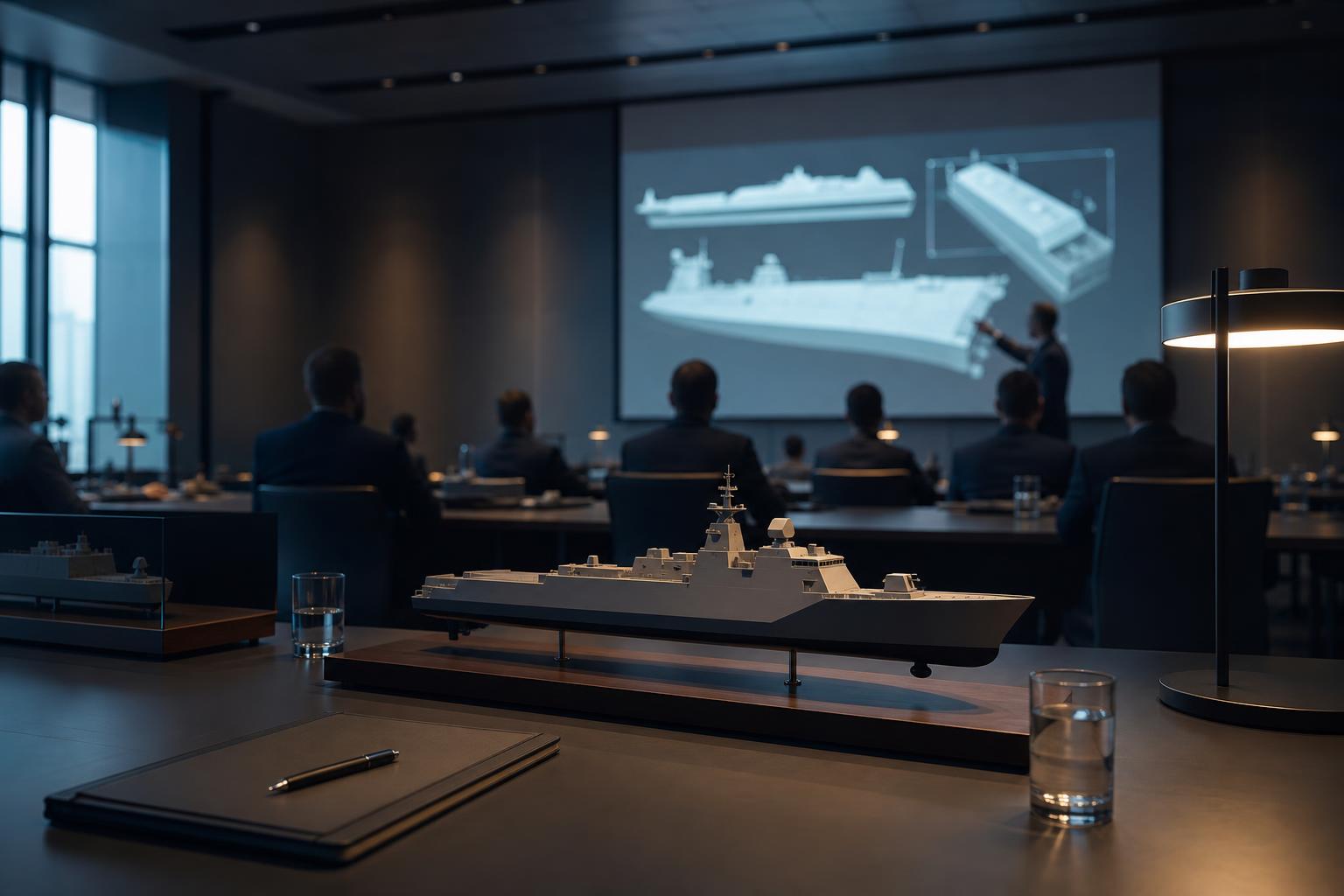
The Korea AeroSpace Administration (KASA) held a briefing on Nov. 19 at Hotel Sunshine in Daejeon for newly appointed reviewers on space and aerospace research facility and equipment deliberations.
KASA said the briefing was organized to improve the fairness and professionalism of reviews for research facilities and equipment built or introduced through national R&D projects under KASA’s jurisdiction.
The briefing covered the main points of KASA’s guideline on construction and management of national R&D facilities and equipment, which was enacted and notified on Sept. 1.
KASA selected 75 reviewers after a recruitment process from Sept. 8 to Oct. 23, considering space and aerospace expertise, facility and equipment operation and review experience, and relevance between applicants’ fields and careers.
The appointed reviewers are industry, academic and research experts across eight technology fields under the national research facility and equipment standard classification system, with a two-year appointment term.
The reviewers will assess the need and appropriateness of research facilities and equipment worth $75,000 (100 million won) or more and less than $225,000 (300 million won) under KASA national R&D projects, as well as equipment worth $75,000 (100 million won) or more that requires high-level security for national security reasons.
ETNews reported that KASA also provided security education needed for reviewing security-project equipment and shared conflict-of-interest and recusal requirements for reviewers.
ETNews reported that KASA plans to work with the review committee to examine the validity of research facility and equipment introductions, prevent unnecessary equipment construction and improve equipment-use efficiency.