KAI signs $85.4 million PBL contract for Marine Corps MUH-1 helicopters
The five-year performance-based logistics deal with DAPA covers availability and maintenance reliability for the Marine Corps' amphibious assault helicopters.
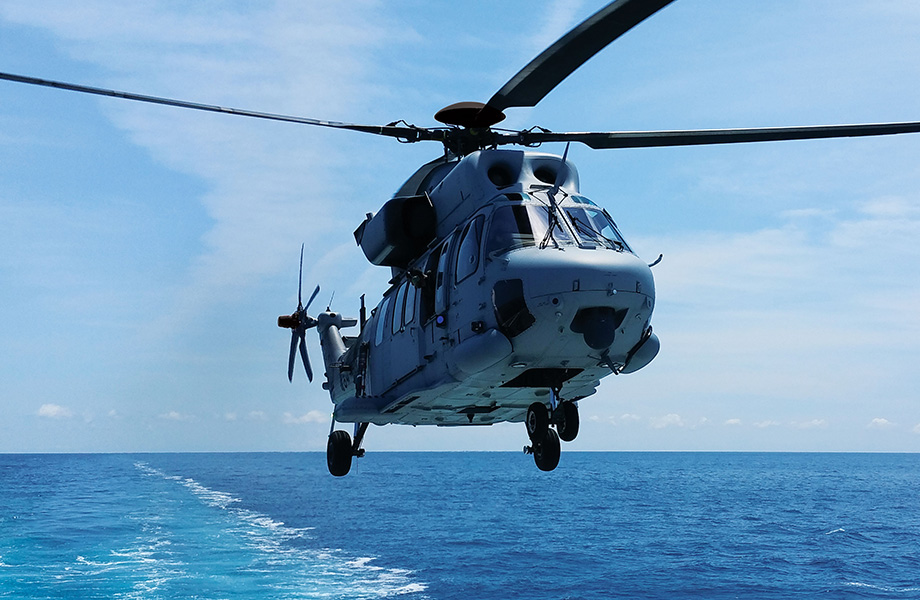
Korea Aerospace Industries (KAI) signed a performance-based logistics (PBL) contract with the Defense Acquisition Program Administration (DAPA) on Oct. 8 to support the Republic of Korea Marine Corps' MUH-1 amphibious assault helicopters, the company announced.
The contract is valued at $85.4 million (114.5 billion won) and runs for about five years from October 2026 to December 2031, KAI said.
The MUH-1 is a helicopter developed for maritime and shipboard operations. It has been in service since 2017, performing amphibious assault and air transport missions for the Marine Corps.
Under the PBL model, KAI will build a follow-on support system based on operational performance metrics such as aircraft availability and maintenance reliability, rather than simply supplying parts. The company will proactively manage parts and maintenance elements needed for MUH-1 operations and supply them in a timely manner.
KAI said it has been expanding PBL programs domestically and internationally, starting with the KT-1 PBL contract in 2010 and covering the T-50 family, KF-21, and the Surion and Miron rotary-wing aircraft. The company also signed PBL contracts for FA-50 aircraft with the Philippines in 2024 and T-50 aircraft with Thailand in 2025.
In 2025, KAI's annual orders for follow-on support, including PBL and depot maintenance, surpassed 1 trillion won ($745 million) for the first time, the company said.
Song Ho-chul, head of KAI's production operations division, said the company will focus its 15 years of follow-on support experience and capabilities to ensure Marine Corps aircraft perform at their best, and will take the lead in building a hyper-connected future aviation platform through complete follow-on support.
KAI said it plans to continue expanding follow-on support for the more than 1,000 KAI-developed aircraft expected to be in operation, making it a core business area. The company also aims to extend PBL services to aircraft operated by export customers as part of its goal to become a global top-four aerospace platform company.