K-Moonshot roadmap targets 2028 Nuri launch for Korea’s first orbital AI space data-center demonstrator
A 100kg-class satellite carrying a domestic NPU would test AI computing, power and thermal-control technologies in a dawn-dusk orbit at about 561km.
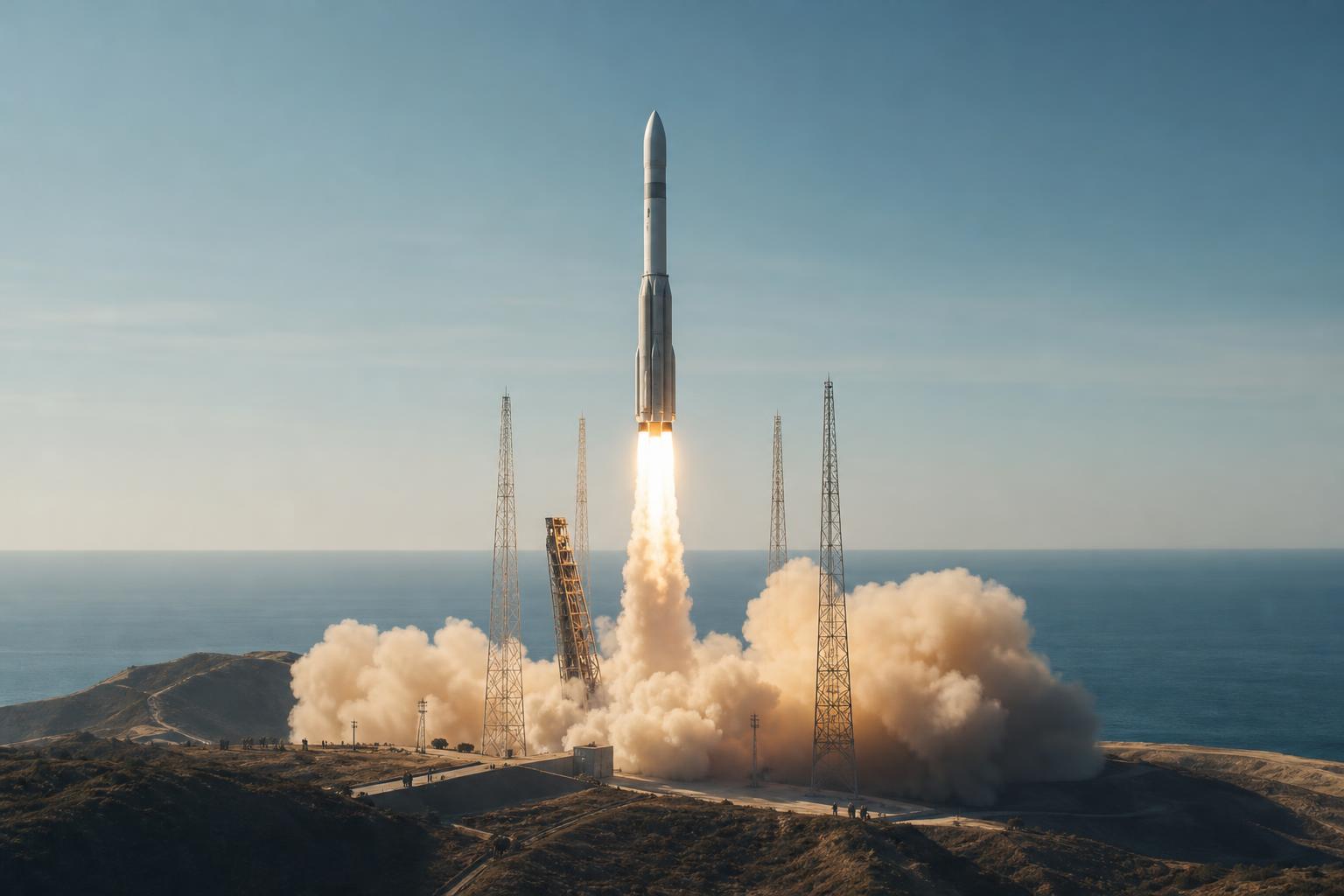
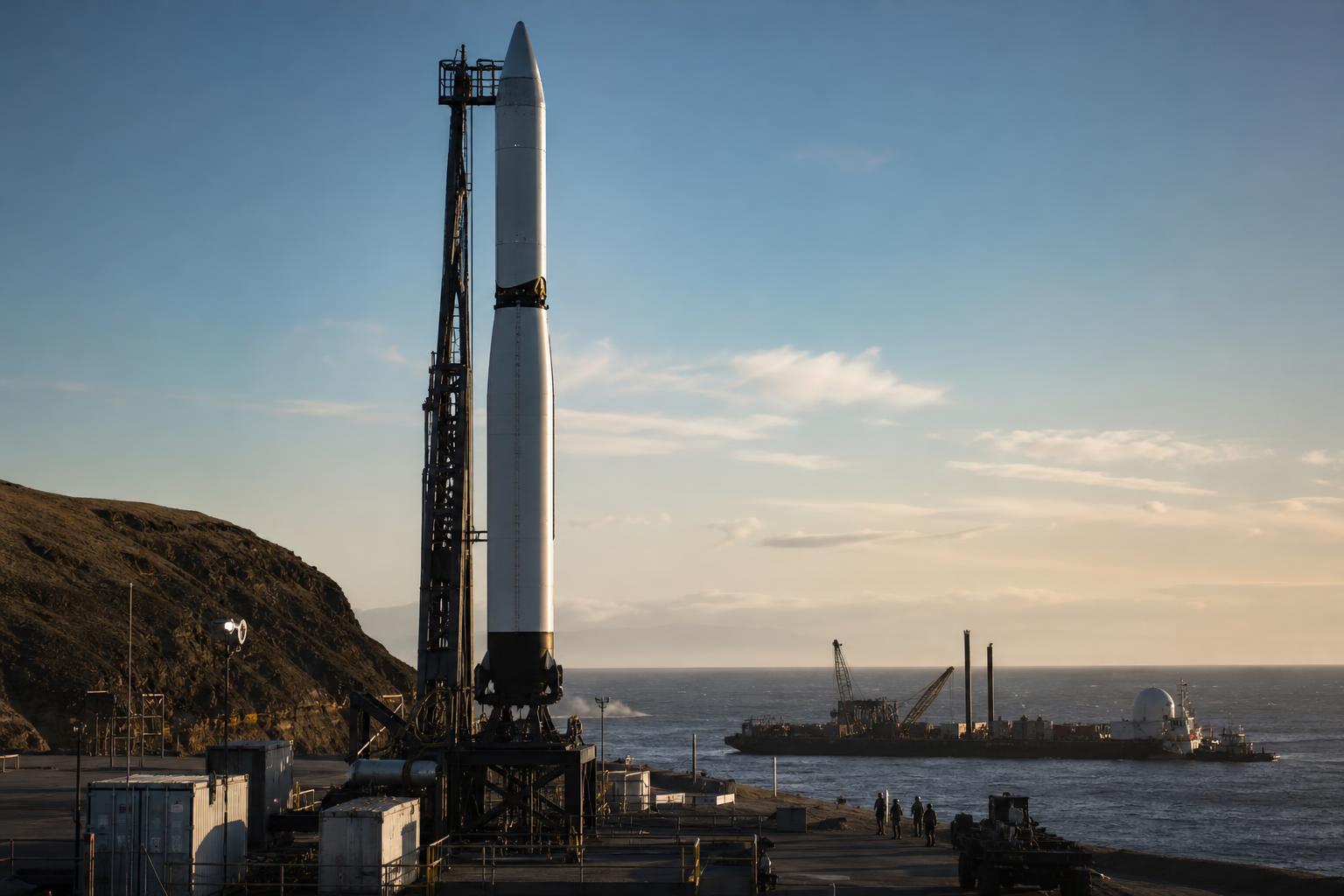
South Korea plans to launch a 100kg-class space data center demonstrator as a secondary payload on the seventh Nuri rocket in November 2028, according to the K-Moonshot Space Mission 2035 Roadmap presented at a National Assembly forum on Nov. 2.
The roadmap, unveiled at the Space Data Center Forum 3rd National Assembly Debate, calls for a domestic AI-semiconductor-equipped space data center to undergo its first space demonstration on Nuri in 2028, Newsis reported.
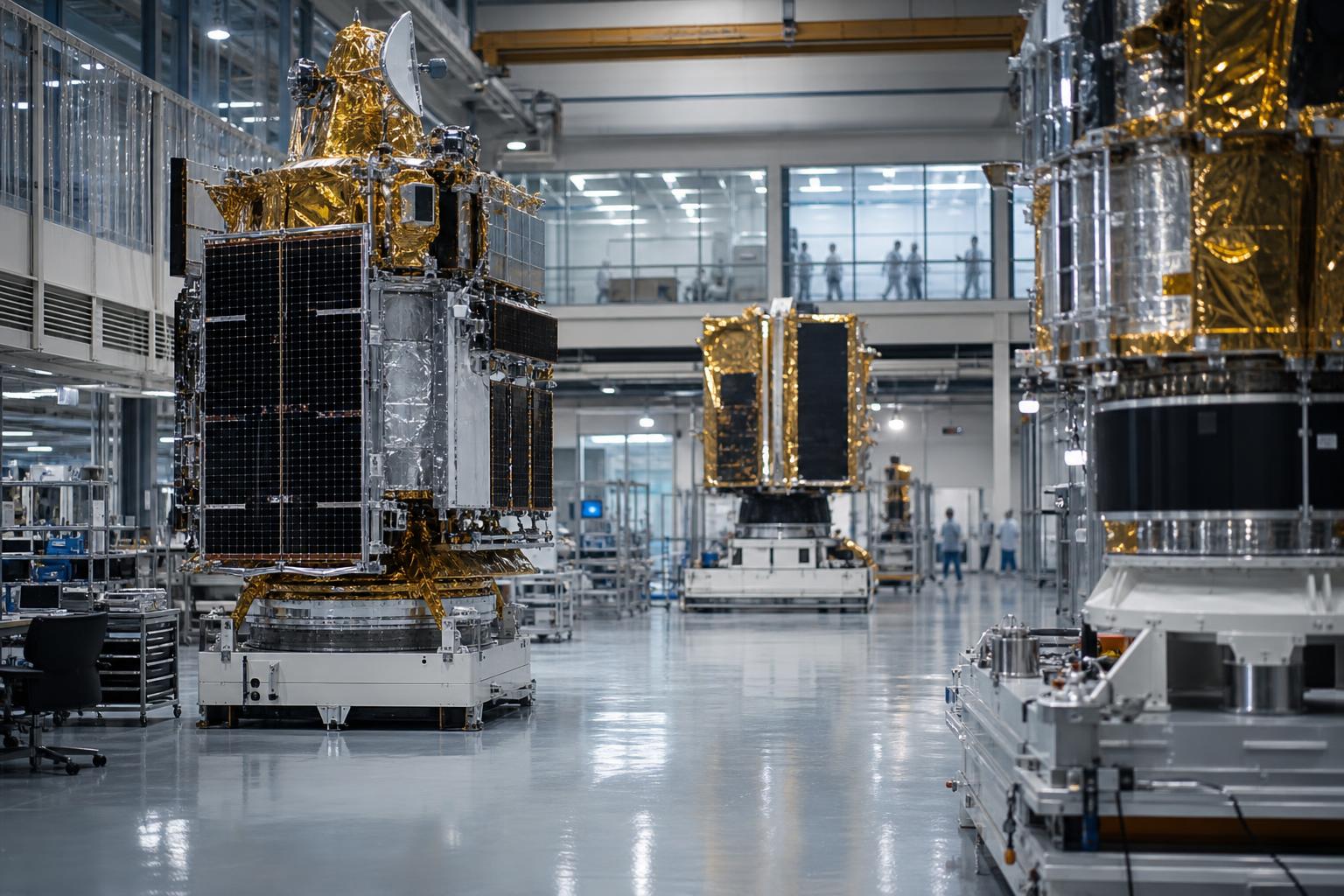
The first step is a 100kg-class small space data center in 2028 to partially verify AI computing, power and thermal-control technologies in orbit. A 500kg-class medium space data center would follow in 2031 to implement actual AI services, and a multi-ton-class large platform in 2034 would lay the groundwork for private-sector commercialization.
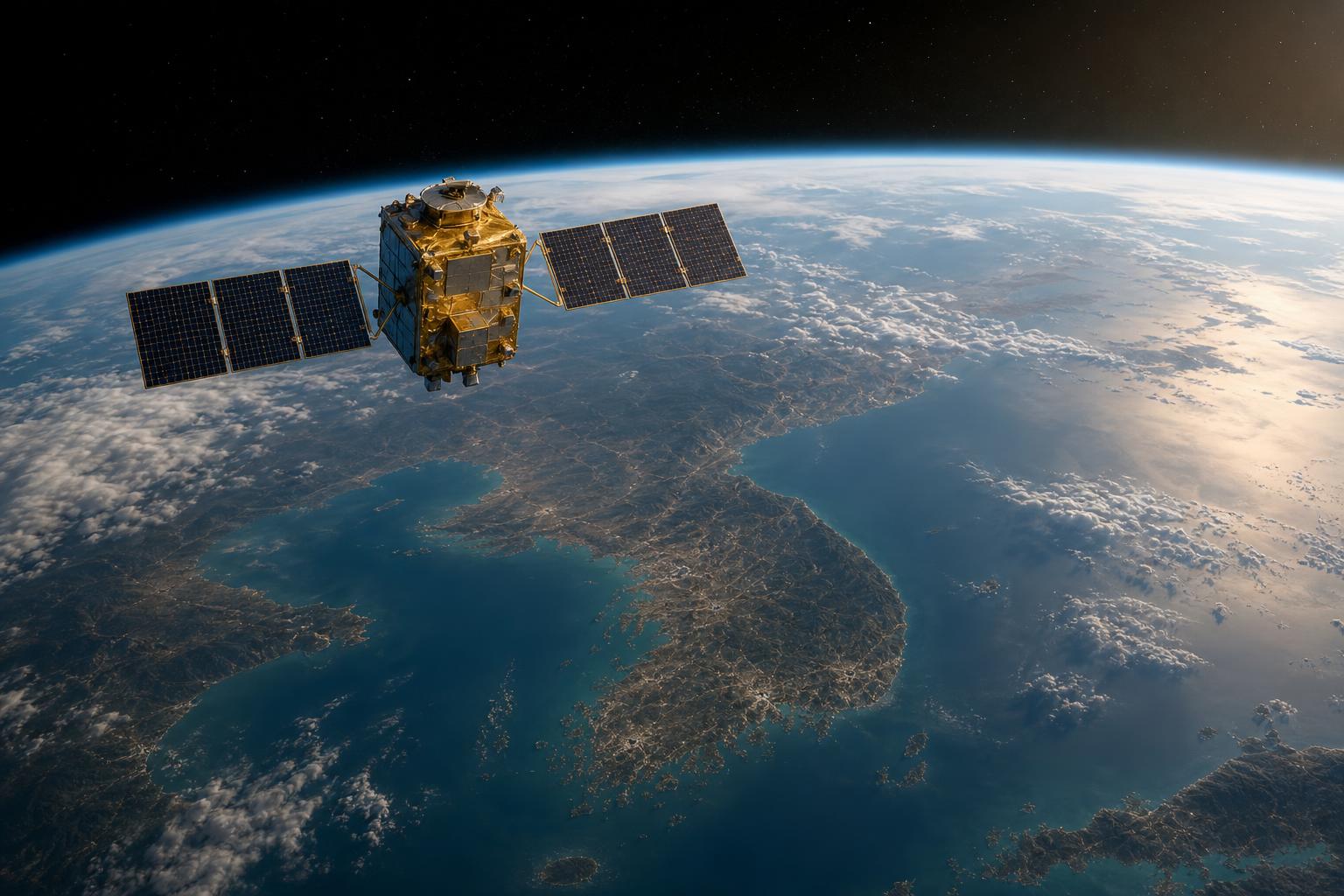
Korea Aerospace Research Institute (KARI) space exploration research center head Lim Jung-heum described a plan to operate one small K-space-data-center satellite for at least one year in a dawn-dusk sun-synchronous orbit at about 561km altitude, according to Newsis.
The demonstrator is planned to carry a domestic NPU-based AI computing module to read stored satellite imagery and test object recognition and image-selection functions.
The estimated project cost is $10.5 million (14 billion won), including about $1.5 million (2 billion won) for the Nuri launch. Funding would include $3.74 million (5 billion won) in 2027 for design, core-technology development and advance component purchases, and $6.74 million (9 billion won) in 2028 for manufacturing, integration, testing and launch.
The Korea Economic Daily reported that the technical plan includes rollable solar arrays, domestic next-generation perovskite solar cells and battery packs, an active loop heat-pipe circulation network, a large-area radiative cooling radiator, a domestic NPU, shielding, error correction code (ECC) and triple modular redundancy (TMR) designs.
Korea AeroSpace Administration (KASA) Administrator Oh Tae-seok said the government would support orbital demonstration opportunities and institutions, including a 2028 Nuri secondary-payload small verification satellite, so private companies can enter the global market, according to The Korea Economic Daily.
The forum was held at the National Assembly Members’ Office Building main conference hall and hosted by lawmakers Lee Ju-hee, Kim Hyun, Choi Hyung-doo and Lee Jae-kang, according to the National Assembly Library National Strategy Portal.