Hyundai Rotem Opens New Hypersonic Engine Test Facility in Seosan
The second test building at the Seosan Aerospace Propulsion Test Center will support development of hypersonic and reusable launch vehicle engines.
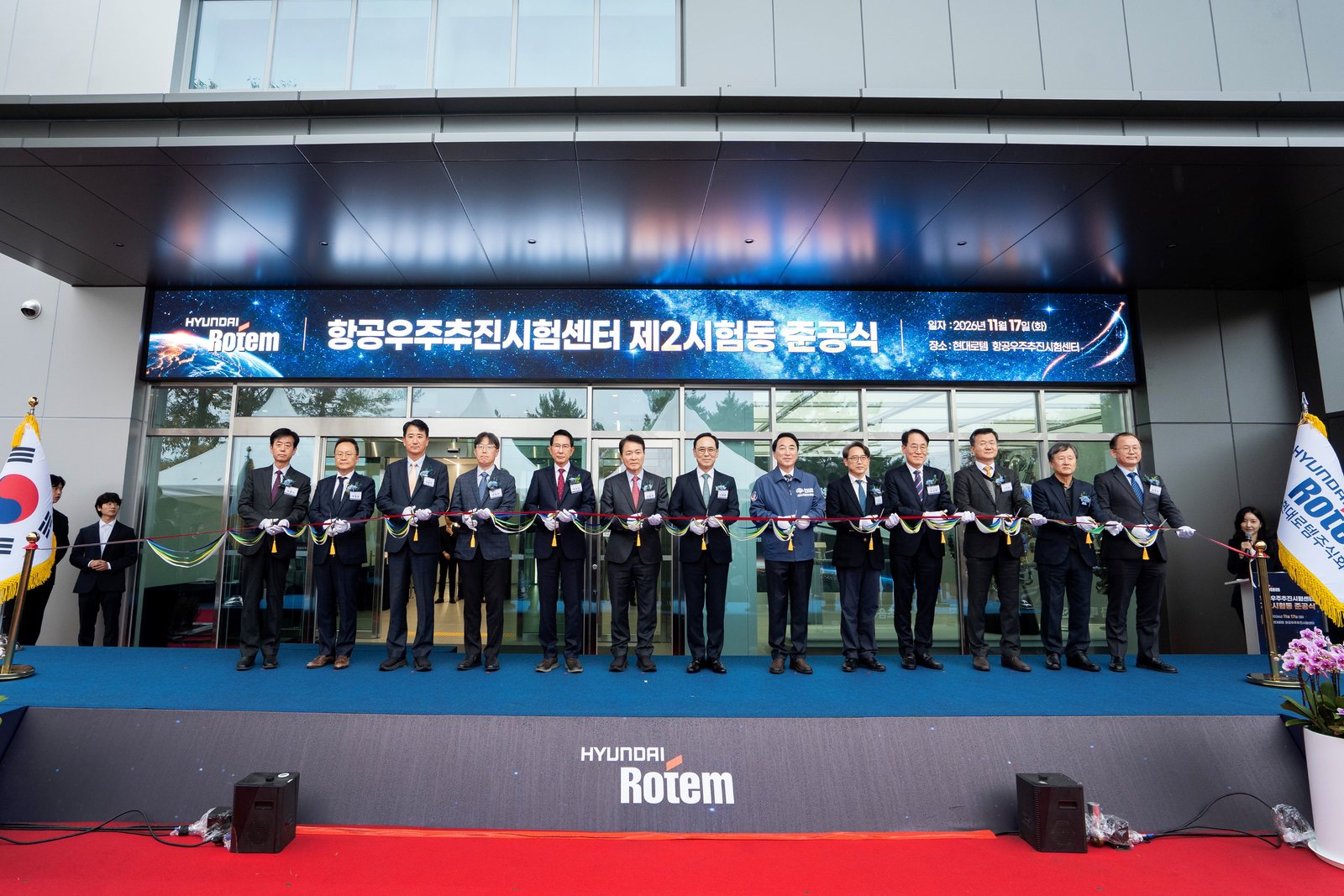
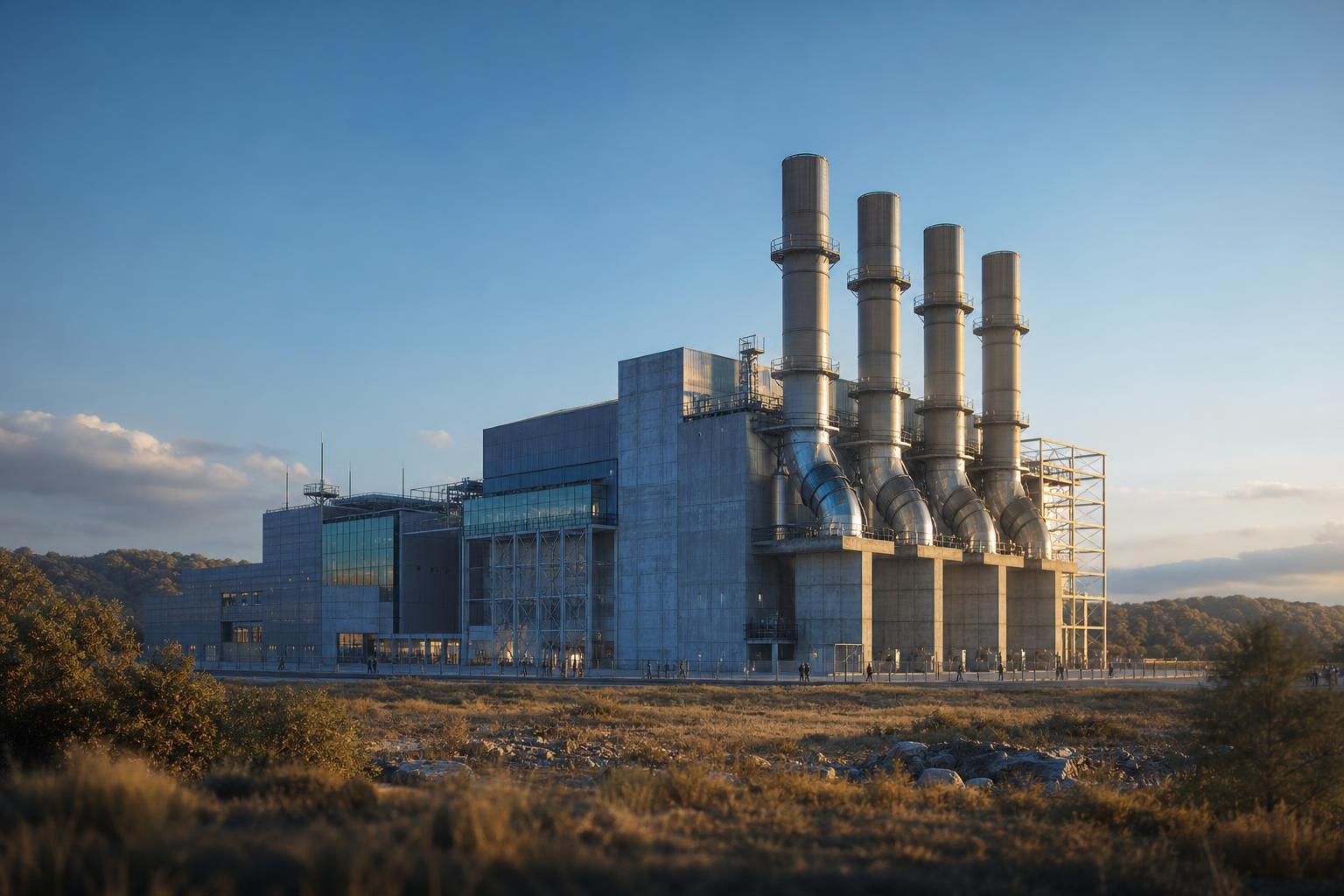
Hyundai Rotem held a completion ceremony for a second test building at its Seosan Aerospace Propulsion Test Center in South Chungcheong Province on Nov. 17, the company announced on Nov. 18.
The new facility, set to begin full operation next year, will serve as a core research base for hypersonic engines and methane engines for reusable space launch vehicles, alongside the existing first test building.
The center, established in 1998 on about 7,000 pyeong (approximately 23,140 square meters), is approaching its 30th anniversary. It houses South Korea's first and only hypersonic and supersonic engine test facilities, according to Hyundai Rotem.
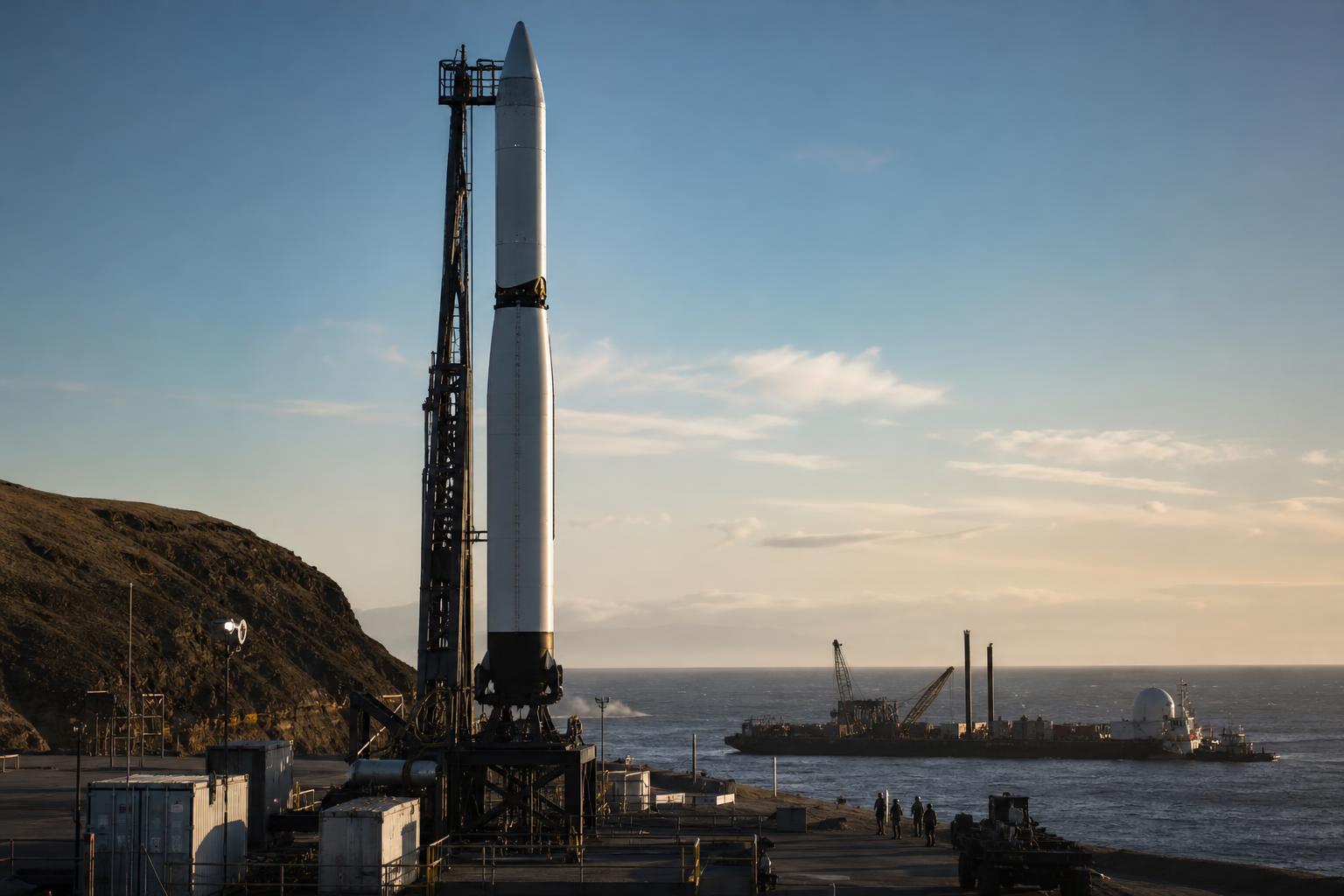
The center has supported development from the country's first liquid-propellant rocket engine, the KSR-III, to propulsion system test facilities for the Nuri (KSLV-II) space launch vehicle.
The new building includes propulsion test facilities for stable combustion testing of various aerospace engines and performance test rooms for individual components. Safety management systems were also installed.
Hyundai Rotem is developing two types of hypersonic engines: a solid scramjet engine and a dual-ramjet engine. The scramjet engine is designed for missiles flying at more than five times the speed of sound, offering advantages in high-speed, long-range flight, maneuverability and terminal strike capability.
The dual-ramjet engine can switch between ramjet and scramjet modes depending on speed, allowing changes to the vehicle's operating mode. It requires more advanced technology than the solid scramjet engine.
Hyundai Rotem previously participated in the Agency for Defense Development-led HyCore hypersonic vehicle program, handling design, manufacturing and assembly of the combustor assembly and related components. The company said its scramjet engine technology was applied and the development exceeded target speed.
In 2006, Hyundai Rotem became the first in South Korea to successfully conduct a methane engine combustion test. Last year, it won a task from the Korea Research Institute for Defense Technology Planning and Advancement to develop methane engine technology for reusable launch vehicles.
Methane produces less soot during combustion and offers high economic efficiency, making it suitable for reusable launch vehicles, according to the company.
Hyundai Rotem also said it is accelerating development of key engine components located at the top of launch vehicles that place satellites into orbit.
The company plans to continue carrying out projects including construction and operation of Korean launch vehicle test facilities, methane engine research and development, and supersonic and hypersonic research and development.
A Hyundai Rotem official said the company will focus capabilities so the new facility becomes a foundation for securing internal propulsion technology in the next-generation aerospace engine market and a future growth engine.