President Lee says alliance and autonomy can coexist, reaffirms early OPCON transfer push
Lee Jae Myung told reporters that strengthening the U.S. alliance and pursuing strategic autonomy are not mutually exclusive, and that wartime operational control should be described as a return rather than a restoration.
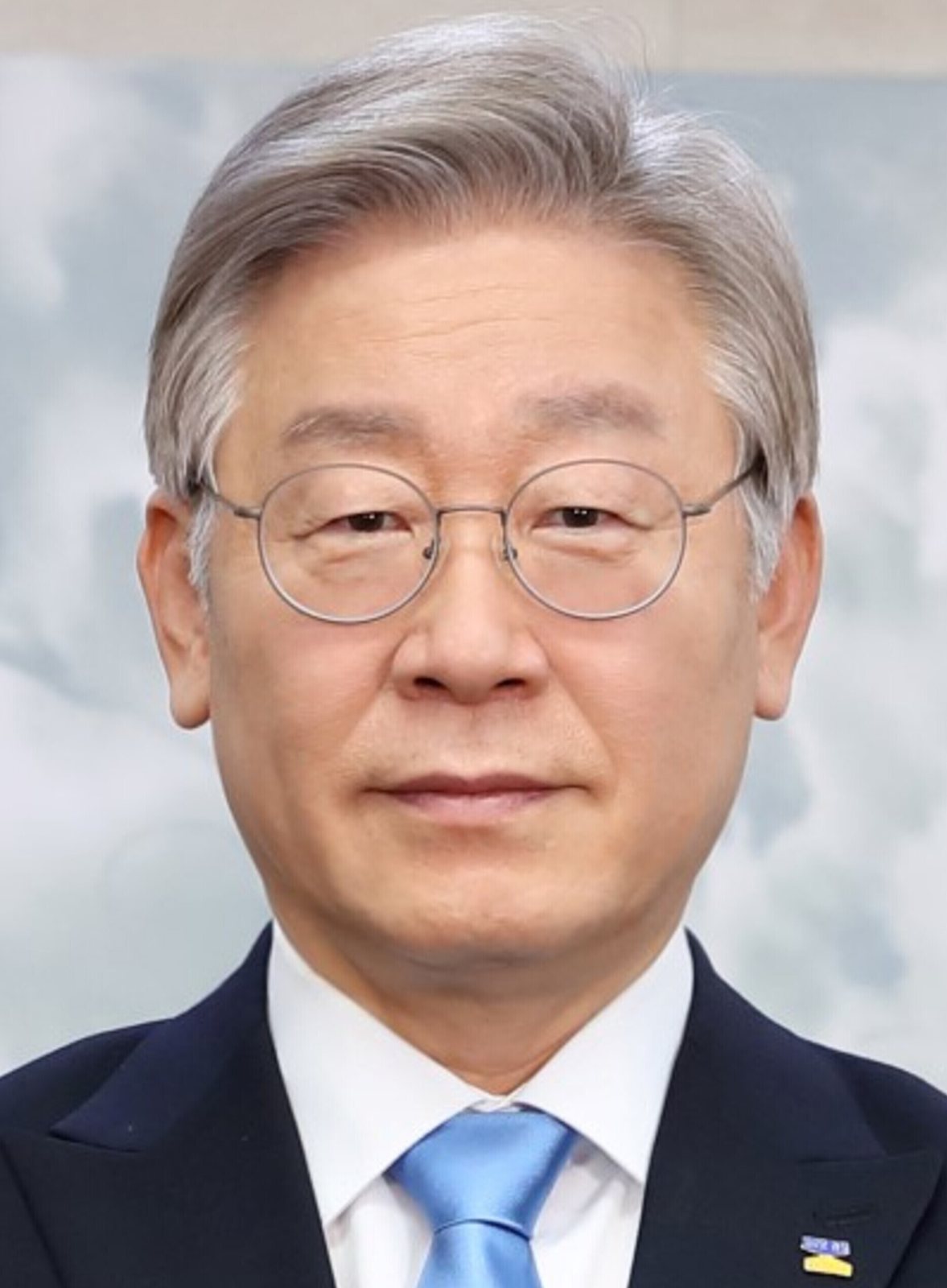
President Lee Jae Myung said during an impromptu news conference with the presidential press corps on Bugaksan that strengthening the U.S. alliance and pursuing strategic autonomy are not mutually exclusive, according to The Korea Herald.
The Korea Herald reported that Lee was responding to a question about whether his recent security reshuffle shifted influence toward the so-called alliance camp in his administration. The reshuffle affected three key foreign policy and security posts, including those held by Unification Minister Chung Dong-young and National Intelligence Service Director Lee Jong-seok.
Lee said South Korea should continue to expand and upgrade its alliance with the United States, but should not be so bound by it that it gives up relations with other countries, The Korea Herald reported.
In a Newsis question-and-answer transcript, Lee said wartime operational control should be described as a return rather than a restoration, because it was originally South Korea’s and is a core part of sovereignty.
Newsis reported that, when asked about the postponement of the Security Consultative Meeting and prospects for OPCON transfer, Lee said South Korea’s military power ranks fifth in the world and its defense budget amounts to 1.4 times North Korea’s GDP.
Newsis reported that Lee said early OPCON transfer must be pursued, that the government is actually pursuing it, and that the principle remains unchanged despite a complex process.
Aju Business Daily reported that Lee said South Korea’s current situation no longer requires leaving military sovereignty with a foreign country and relying on it, and that independent defense is sufficiently possible.
Hankook Ilbo reported that Lee assessed North Korea’s nuclear forces as a last-resort defensive capability and said South Korea should ease the current situation in inter-Korean relations.